
Table of Contents
1. Introduction: The Rise of Skincare Hacks on Social Media
2. Popular Trends and Why They Go Viral
3. Dermatologists Weigh In: What’s Safe and What’s Not
4. The Science Behind Skin Reactions and Damage
5. Safe Alternatives Recommended by Experts
1. Introduction: The Rise of Skincare Hacks on Social Media
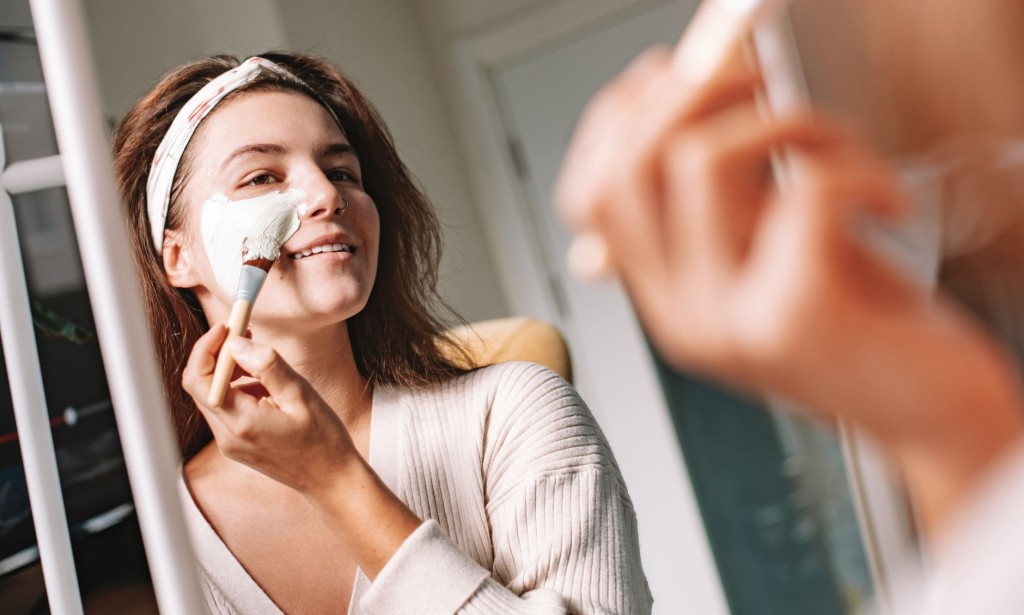
In the age of social media, skincare hacks have become a cultural phenomenon. Platforms like TikTok, Instagram, and YouTube are filled with short videos that promise glowing skin using ingredients found in your kitchen or tricks that "dermatologists don’t want you to know." While some of these methods offer clever solutions or are based on valid principles, others can be misleading or downright dangerous. With millions of views and shares, it’s no surprise people are tempted to try them — especially when influencers showcase seemingly flawless results.
But the question remains: are these trendy hacks safe for your skin? As dermatologists increasingly speak out about the potential risks, it’s becoming clear that not all advice is created equal. Whether it's using toothpaste on pimples, lemon juice as a natural bleach, or “slugging” with petroleum jelly, it's vital to understand the science and consequences behind these trends. In this article, we explore the truth behind popular skincare hacks, separating helpful tips from harmful habits — all with expert-backed insight.

2. Popular Trends and Why They Go Viral
The allure of skincare hacks lies in their simplicity, affordability, and visual appeal. Content creators often use before-and-after shots, time-lapse videos, or clever editing to showcase dramatic results — all within 60 seconds or less. Some viral examples include:
- Toothpaste for acne: Said to dry out pimples overnight
- Lemon juice for brightening skin: Promoted as a natural lightener
- Slugging: Covering the face with petroleum jelly overnight to "lock in moisture"
- DIY exfoliants: Using sugar or coffee grounds to scrub away dead skin
- Sunscreen contouring: Applying SPF only to certain areas to “naturally” contour the face
Many of these trends go viral because they tap into common concerns — acne, dullness, dryness — and offer quick fixes with household items. They also give viewers a sense of empowerment, making skincare seem accessible without expensive products or professional help.
However, the downside is that virality doesn’t equate to safety or efficacy. In many cases, these videos lack context, disclaimers, or proper instructions. This creates a risk of misuse or overuse, especially among teens and young adults, who are often the most active social media consumers.

3. Dermatologists Weigh In: What’s Safe and What’s Not
Dermatologists across the globe have expressed concern over the rise of unverified skincare advice. According to Dr. Alicia Patel, a board-certified dermatologist in New York City, “Just because something is natural or popular online doesn’t mean it’s safe or beneficial for your skin.”
Here’s what the experts say about a few common hacks:
- Toothpaste on Pimples: This method can cause chemical burns, irritation, and dryness due to ingredients like menthol, hydrogen peroxide, and baking soda — none of which are designed for facial skin.
- Lemon Juice for Brightening: With a pH of around 2, lemon juice is extremely acidic. Applying it directly can lead to burns, hyperpigmentation, and increased sensitivity to sunlight.
- Slugging: While occlusive agents like petroleum jelly can help very dry skin, slugging is not for everyone — especially those with acne-prone or oily skin. Trapping oils and bacteria can worsen breakouts.
- DIY Scrubs: Sugar and coffee grounds can be too abrasive for delicate facial skin, leading to microtears and irritation.
Many dermatologists recommend proceeding with caution when trying anything seen online. Patch testing and consulting with a professional before incorporating new products or methods are critical steps in maintaining healthy skin.
4. The Science Behind Skin Reactions and Damage
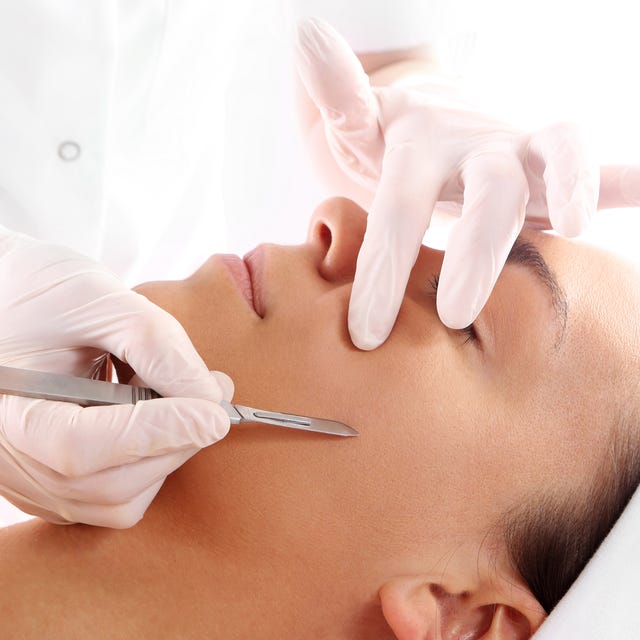
Skin is the body’s largest organ and its first line of defense against environmental aggressors. It has a delicate balance of lipids, proteins, and bacteria that work together to protect and regenerate. When you apply a substance not formulated for skin — such as acidic juices, abrasive particles, or household chemicals — you disrupt this balance.
For example, applying lemon juice can trigger a phototoxic reaction called phytophotodermatitis, especially if followed by sun exposure. Similarly, physical exfoliants like crushed walnuts or coffee grounds can cause microtears in the stratum corneum, the outermost layer of skin, weakening the barrier and increasing the risk of infections or sensitivity.
Chemical burns, allergic reactions, post-inflammatory hyperpigmentation, and delayed healing are common consequences of using unapproved products. What's worse, some damage may not be immediately visible, leading users to continue using harmful methods until serious problems emerge
Understanding the skin’s pH, microbiome, and barrier function is crucial to choosing products that support rather than sabotage your skin health. Dermatologist-formulated products are rigorously tested for efficacy and safety — something DIY hacks simply cannot match.
5. Safe Alternatives Recommended by Experts
Rather than turning to risky hacks, dermatologists suggest evidence-based, gentle alternatives that align with your skin’s biology. Here are a few safer swaps:
- Acne Spot Treatment: Use a product with 2% salicylic acid or benzoyl peroxide instead of toothpaste.
- Brightening: Try a vitamin C serum formulated at a safe pH (around 3.5) to fade dark spots over time.
- Hydration: Use ceramide-rich moisturizers or hyaluronic acid instead of petroleum jelly if you’re acne-prone.
- Exfoliation: Choose chemical exfoliants (AHAs or BHAs) in safe concentrations rather than harsh physical scrubs.
- Sun Protection: Apply SPF evenly and daily; contouring with sunscreen puts your skin at risk for uneven sun damage.
The key is consistency and patience. While these alternatives may not deliver instant results, they are far less likely to result in long-term damage — and far more likely to be approved by dermatologists.








Comments 0
Sign in to join the conversation.
No comments yet. Be the first to say something.