

The Dark Side of Protein Shakes: Are Fitness Drinks Damaging Your Kidneys?
Introduction
Protein shakes have become a staple in the modern fitness world. From gym beginners to professional athletes, millions of people rely on protein powders and ready-to-drink shakes to boost muscle growth, speed up recovery, and improve overall performance.
The global protein supplement market has exploded over the last decade. Walk into any gym, nutrition store, or online marketplace and you’ll find dozens of protein products claiming to help you build muscle faster, burn fat, and recover more efficiently.
But behind the glossy marketing and promises of rapid gains lies a growing concern among health experts: Could excessive protein shake consumption harm your kidneys?
Doctors, nutritionists, and researchers are increasingly warning that consuming large amounts of protein supplements—especially without medical guidance—may place unnecessary stress on the kidneys. While protein is essential for the body, too much of it, particularly from supplements, could potentially lead to long-term health problems.
This article explores the science behind protein shakes, how they affect the kidneys, who is at risk, and how you can safely incorporate protein into your diet without damaging your health.
Understanding Protein Shakes
What Are Protein Shakes?
Protein shakes are beverages designed to provide a concentrated source of protein. They are typically made by mixing protein powder with water, milk, or plant-based liquids.
Common types of protein powders include:
Whey protein
Casein protein
Soy protein
Pea protein
Rice protein
Egg protein
These supplements are widely used by:
Bodybuilders
Athletes
Gym enthusiasts
People trying to lose weight
Individuals with high protein needs
Why Are Protein Shakes So Popular?
Protein shakes gained popularity because they offer convenience and quick nutrition. Instead of cooking protein-rich meals, people can simply drink a shake after workouts.
Benefits often advertised include:
Faster muscle growth
Improved muscle recovery
Weight management
Reduced muscle soreness
Easy protein intake
However, convenience sometimes comes with hidden risks.
Why Protein Is Important for the Body
The Role of Protein in Human Health
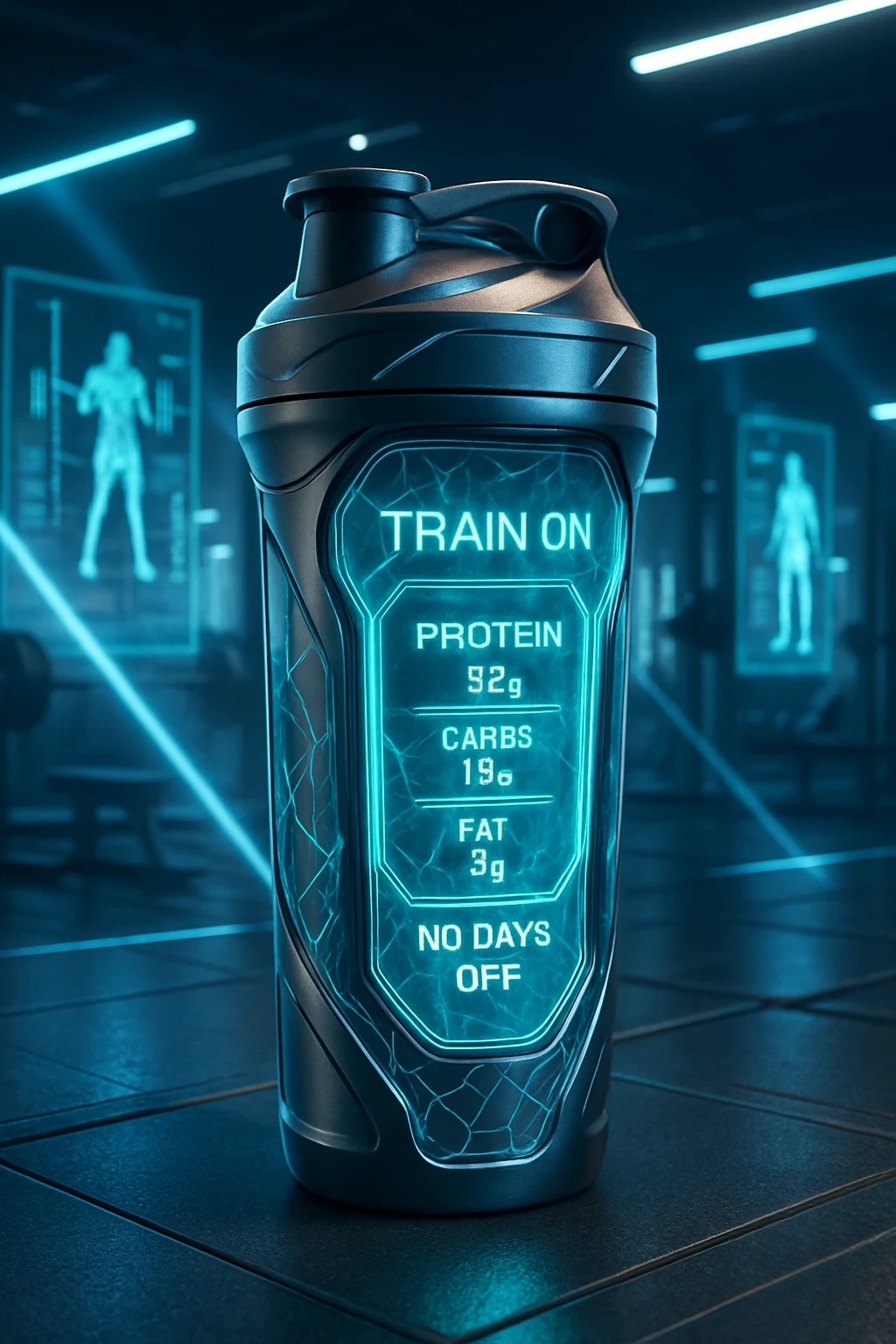
Protein is one of the three essential macronutrients, alongside carbohydrates and fats. It plays a crucial role in maintaining many bodily functions.
Protein is needed for:
Muscle growth and repair
Enzyme production
Hormone regulation
Immune system support
Tissue repair
Healthy skin, hair, and nails
Without adequate protein, the body cannot function properly.
Recommended Daily Protein Intake
Health organizations generally recommend:
0.8 grams of protein per kilogram of body weight for the average adult.
For example:
A 70 kg person needs around 56 grams of protein per day.
Athletes may require slightly more:
1.2–2.0 grams per kilogram
The problem arises when people consume far beyond these limits, often through multiple protein shakes daily.
How the Kidneys Work
The Body’s Natural Filtration System
Your kidneys are two bean-shaped organs responsible for filtering waste from the blood. They play a vital role in maintaining overall health.
Key kidney functions include:
Removing toxins from the blood
Balancing fluids in the body
Regulating blood pressure
Producing hormones
Maintaining electrolyte balance
Every day, your kidneys filter around 50 gallons (180 liters) of blood.
How Protein Is Processed
When you consume protein:
The digestive system breaks it down into amino acids.
These amino acids enter the bloodstream.
The body uses them for muscle repair and other functions.
Excess nitrogen from protein metabolism becomes urea.
The kidneys filter and remove this waste through urine.
When protein intake becomes extremely high, the kidneys must work harder to process the extra waste.
The Link Between Protein Shakes and Kidney Health
Can Too Much Protein Harm the Kidneys?

For healthy individuals, moderate protein intake is generally safe. However, very high protein consumption over long periods may place stress on the kidneys.
This happens because:
High protein intake increases nitrogen waste
Kidneys must filter more urea
Filtration pressure increases
Over time, this may lead to a condition known as hyperfiltration, where the kidneys work harder than normal.
Possible consequences include:
Kidney strain
Increased risk of kidney disease in vulnerable individuals
Dehydration
Calcium loss
What Research Says About Protein Supplements
Scientific Studies on Protein and Kidney Function
Research findings on protein intake and kidney health are mixed.
What Studies Suggest
Some research indicates that high protein diets may:
Increase kidney workload
Accelerate kidney damage in people with existing kidney disease
Increase urinary calcium levels
Other studies show that healthy individuals may tolerate high protein diets without immediate damage.
However, most experts agree on one point:
Long-term excessive protein consumption may pose risks, especially for people with undiagnosed kidney problems.
Hidden Risks in Protein Powders
Contaminants and Additives
Protein powders are dietary supplements, not strictly regulated medications. This means product quality can vary significantly.
Some products may contain:
Heavy metals
Artificial sweeteners
Excess sugar
Fillers
Chemical additives
Investigations have found traces of substances like:
Lead
Arsenic
Cadmium
Mercury
While usually in small amounts, regular consumption could potentially lead to accumulation over time.
Symptoms of Kidney Stress
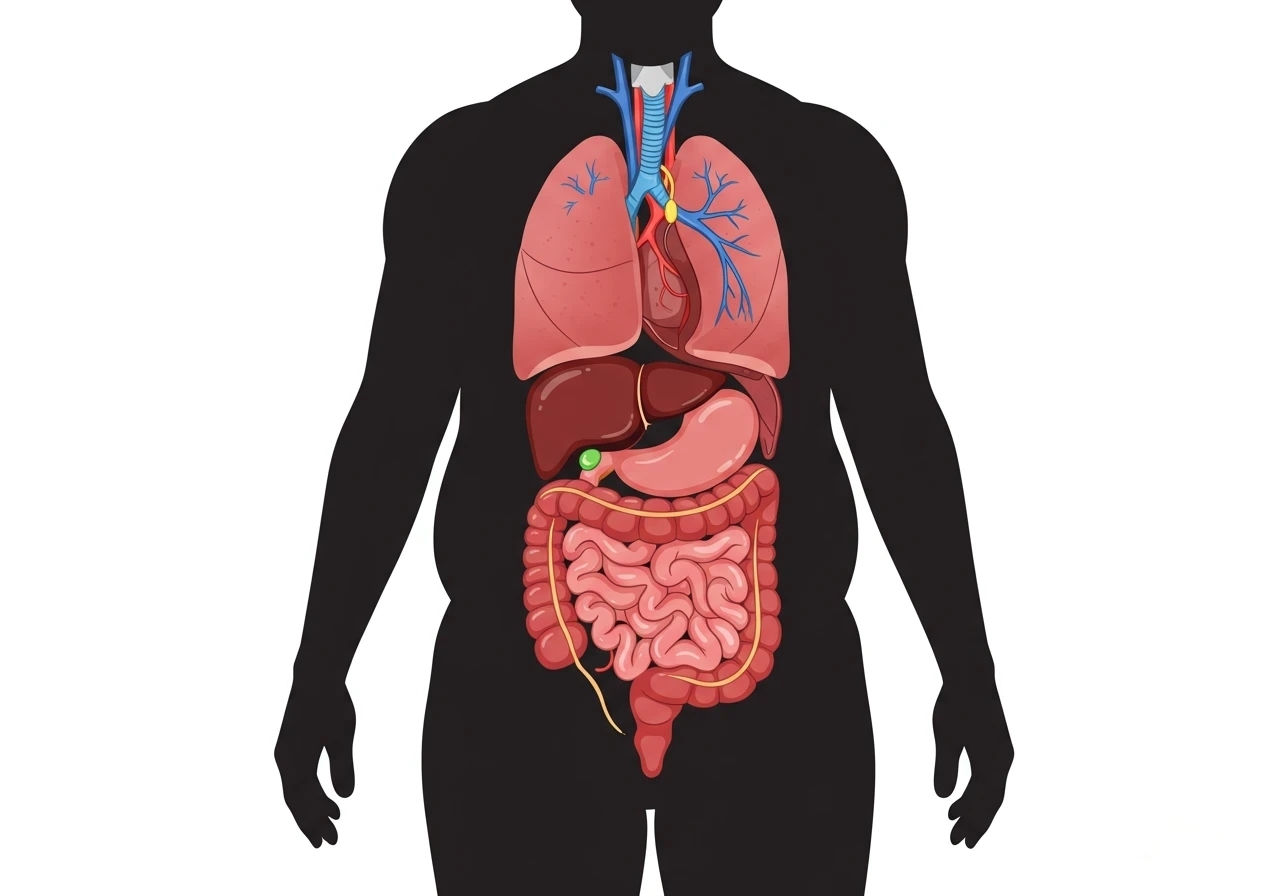
Kidney damage often develops slowly and silently, making it difficult to detect early.
Possible warning signs include:
Fatigue
Swelling in legs or ankles
Changes in urination
Persistent nausea
Muscle cramps
Shortness of breath
High blood pressure
If someone regularly consumes large amounts of protein supplements and experiences these symptoms, medical evaluation is recommended.
Who Is Most at Risk?
Not everyone faces the same risk from protein shakes. Certain groups should be especially cautious.
1. People with Kidney Disease
Individuals with existing kidney conditions should limit protein intake, especially from supplements.
High protein intake may accelerate kidney damage.
2. Undiagnosed Kidney Problems
Many people have mild kidney issues without realizing it. Excess protein could worsen these conditions.
3. Dehydrated Athletes
High protein diets increase the need for water because kidneys require more fluid to remove waste.
Without adequate hydration, kidney stress may increase.
4. Teenagers Using Supplements
Many young gym enthusiasts consume protein shakes without understanding safe limits.
Developing bodies may not need large amounts of supplemental protein.
The Problem With Protein Shake Overuse
“More Protein = More Muscle” Myth
One of the biggest misconceptions in fitness culture is that more protein automatically means more muscle.
In reality:
The body can only utilize a limited amount of protein for muscle growth.
Excess protein is simply burned for energy or stored as fat.
Overconsumption does not accelerate muscle gains.
Common Overconsumption Patterns
Some gym-goers consume:
3–5 protein shakes daily
200–300 grams of protein per day
This can be far above recommended levels, especially for casual exercisers.
Natural Protein vs Protein Supplements
Whole Foods Are Often Better
Nutrition experts generally recommend obtaining protein from whole food sources whenever possible.
Healthy protein sources include:
Eggs
Chicken
Fish
Greek yogurt
Lentils
Beans
Nuts
Tofu
Whole foods provide:
Vitamins
Minerals
Fiber
Healthy fats
Protein powders often lack these additional nutrients.
Safe Protein Shake Consumption
How to Use Protein Shakes Responsibly
Protein shakes can still be helpful when used correctly.
Follow these safety guidelines:
Recommended Practices
Limit protein shakes to 1 serving per day
Choose high-quality brands
Drink plenty of water
Monitor total daily protein intake
Avoid replacing balanced meals with shakes
Ideal Situations for Protein Shakes
Protein supplements may be useful for:
Athletes with high protein needs
People struggling to meet protein goals through food
Post-workout recovery
However, they should supplement—not replace—a healthy diet.
Warning Signs of Protein Overload
If someone consumes excessive protein, the body may show signs such as:
Digestive issues
Bad breath
Constipation
Dehydration
Frequent urination
Fatigue
These symptoms may indicate that protein intake is too high.
Debunking Protein Shake Myths
Myth 1: Protein Shakes Are Essential for Muscle Growth
Muscle growth depends on:
Progressive resistance training
Adequate calories
Balanced nutrition
Protein shakes are optional.
Myth 2: More Protein Means Faster Results
The body has limits. Excess protein does not speed up muscle development.
Myth 3: Protein Shakes Are Always Healthy
Some protein shakes contain:
High sugar
Artificial chemicals
Low-quality protein sources
Not all supplements are equal.
Expert Advice on Protein Intake
Nutritionists recommend focusing on balanced nutrition rather than extreme supplementation.
General recommendations include:
Prioritize whole foods
Monitor protein intake
Avoid excessive supplements
Consult healthcare professionals if unsure
For individuals with kidney concerns, doctors may recommend specific protein limits.
The Future of Protein Supplements
The supplement industry continues to grow rapidly.
Emerging trends include:
Plant-based protein powders
Organic protein supplements
Lab-tested products
Cleaner ingredient lists
As awareness grows, consumers are becoming more cautious about supplement quality and safety.
Final Thoughts: Should You Be Worried?
Protein shakes are not inherently dangerous. When used responsibly, they can be a convenient way to support fitness goals.
However, excessive consumption may place unnecessary strain on the kidneys, particularly for individuals with underlying health conditions.
The key takeaway is simple:
Balance matters.
Rather than relying heavily on supplements, focus on:
Whole foods
Proper hydration
Balanced nutrition
Smart training
Fitness should improve health—not compromise it.
Before dramatically increasing protein intake or relying heavily on supplements, consulting a healthcare professional or registered dietitian is always the safest approach.

You must be logged in to post a comment.