

At the fifteen thousand rupee mark in Pakistan, two families dominate the shelves: the Dell Latitude and the HP EliteBook. Both come from corporate lease fleets, both are built to survive office life, and both are old enough to be cheap. The choice between them is not about which brand is better in general. It is about which one you can keep running in your city, with the parts and repair shops that actually exist near you.
This comparison looks at the things that decide whether a machine stays useful: build quality, keyboard, battery, parts availability, and how hard it is to open and repair. The winner changes depending on what you need, so the goal here is to give you the questions, not a slogan.
Build Quality and Feel
Latitude E-series machines are famously boring and famously tough. The chassis is plastic, the hinges are sturdy, and the whole thing feels like it was designed to be thrown into a bag. EliteBooks, especially the 840 and 820 lines, often feel slightly more premium, with a metal lid and a tighter overall fit.
Neither will win a beauty contest at this age, but both survive daily use well. The real difference shows up over years, and it usually comes down to how the previous owner treated the machine rather than the brand on the lid.
Keyboard and Trackpad
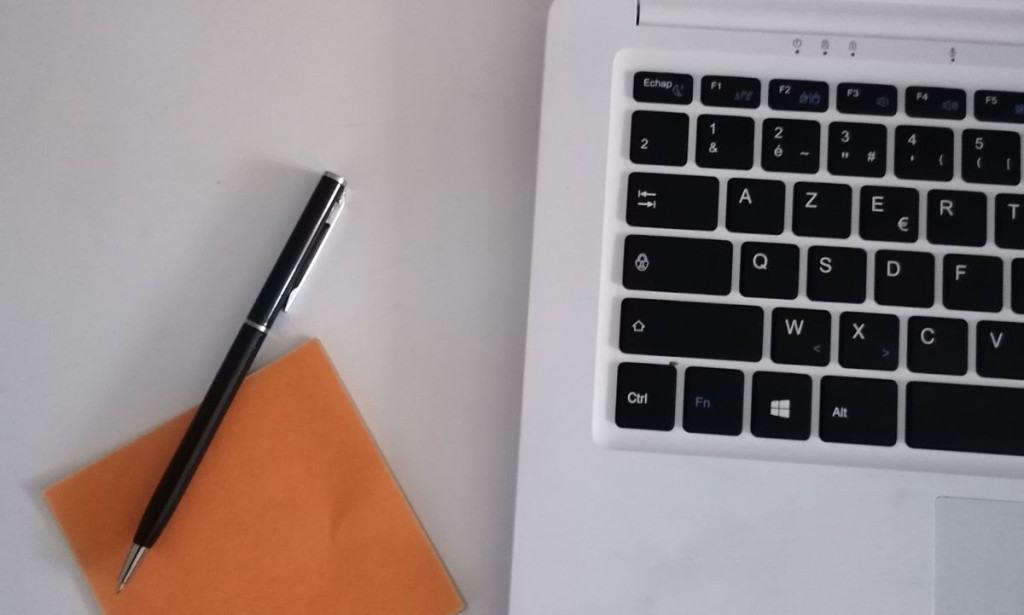
The ThinkPad has the best keyboard reputation, but between these two, the EliteBook usually has a slightly crisper key feel and the Latitude tends to be a little softer. Both are comfortable for long typing. On used units, the keyboard is often the most worn part, so test every key on the specific machine in front of you rather than trusting the model.
Trackpads on both are usable but unremarkable. If you plan to work seriously, budget for a cheap external mouse, which costs little and improves the experience far more than any spec upgrade.

Compare the exact unit, not just the model name.
Battery Reality
Battery is where these machines are closest, and where both are usually disappointing. Corporate batteries are cycled hard for years, and most used units arrive with significantly reduced capacity. Expect to run on the charger for most of the day, and treat genuine battery life as a bonus rather than a guarantee.
If you find a unit with a healthy battery, it is worth paying a little more. Replacement batteries for both families exist in the local market, but quality varies, and a cheap replacement can be worse than the worn original.
Parts Availability in Pakistan
This is often the deciding factor. In most Pakistani cities, Dell Latitude parts are extremely common. Chargers, keyboards, hinges, screens, and batteries are easy to find and relatively cheap. The EliteBook is also well supported, but parts are usually a little less abundant and slightly more expensive.
If you live somewhere with a limited repair market, the Latitude is the safer bet purely because more shops stock its parts. If you are in a large city with a deep market, the difference narrows and you can choose on condition instead.

Repairability decides the long-term cost.
Repairability and Upgrades
Both families are designed for corporate IT departments, which means they are meant to be opened. Memory and storage are usually accessible without much effort, and service manuals are easy to find online. That is a real advantage on a budget, because you can add memory or swap a mechanical drive for a solid state drive and transform how the machine feels.
The Latitude tends to be slightly easier to strip down, with fewer hidden clips. The EliteBook sometimes hides a screw or two under the rubber feet. Neither is difficult, but if you plan to do the work yourself, check a teardown video for the exact model first.
Which One Should You Pick
Choose the Dell Latitude if parts availability and easy repairs matter most to you, or if you are in a smaller city. Choose the HP EliteBook if you find a well-kept unit with a better keyboard and a healthier battery at the same price, and you are in a city where EliteBook parts are easy to source.
If both are available in similar condition, buy the one with the better battery and the cleaner screen. At this price, those two factors decide more about daily happiness than the badge on the lid.
Warranty, Seller, and Price Reality
Where you buy changes how much protection you get. A shop usually offers a short checking warranty and some recourse if the machine fails within days. A private seller often offers neither, which is fine only if the price is lower to reflect that risk. Ask about the warranty before you discuss the price, so you know exactly what you are buying.
At this budget, do not chase the cheapest listing. A machine that is twenty percent cheaper but has a dead battery and a failing hinge is not a bargain. Compare on total cost: the purchase price plus the repairs and upgrades the machine will need to become genuinely usable.
Frequently Asked Questions
Is Dell Latitude better than HP EliteBook? Neither is universally better. Latitude wins on parts availability in most of Pakistan, EliteBook often feels slightly more premium.
Which has a better keyboard? The EliteBook is usually slightly crisper, but condition matters more than the model.
Can I upgrade either one? Yes. Memory and storage are usually replaceable on both, which is a major advantage at this price.
Which battery lasts longer? Both are usually worn by the time they reach this price. Judge the specific unit, not the brand.
What should I check first? The battery, the screen, and the hinge, in that order.
Conclusion
Dell Latitude and HP EliteBook are two routes to the same destination: a tough, repairable business laptop at a price a student can afford. The right choice is the one whose parts you can actually buy and whose condition is genuinely good. Test the exact machine, price in the battery, and let availability make the final call.
Whichever you choose, plan to add memory or an solid state drive if it does not already have them. That single upgrade does more for the experience than the choice between the two brands ever will.






Comments 0
Sign in to join the conversation.
No comments yet. Be the first to say something.