

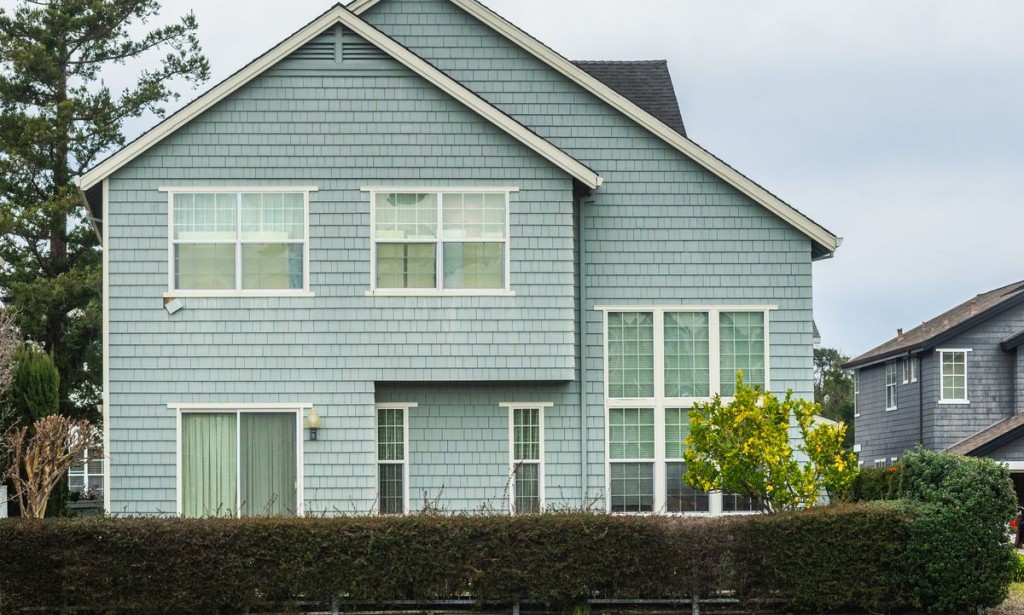
The rent-versus-buy question is usually framed as a simple choice: renting is throwing money away, buying is building wealth. That framing is wrong, and it has pushed many people into mortgages they could not comfortably afford. Both renting and buying carry real costs, and which one wins depends on how long you will stay, what the local market looks like, and what you want from your money and your life.
This guide lays out the true costs of each option, the factors that should drive the decision, and a way to compare them honestly. No prices appear here, because property markets differ enormously by country and city. The method is what travels.
Why the Simple Framing Fails
Rent is often described as dead money, but rent buys something real: a place to live with no maintenance bills, no mortgage risk, and the freedom to move. A mortgage is often described as building equity, but it comes with interest, fees, taxes, insurance and repairs, and the equity builds slowly at first because early payments are mostly interest. Both sides of the comparison have costs, and ignoring either one distorts the decision.
The True Cost of Renting
Renting is more than the monthly payment. Add any deposit you never get back in full, renters insurance, and the cost of moving if you relocate. The advantages are equally real.
Flexibility. You can move for a job, a relationship or a better area without selling a property.
No maintenance risk. When the boiler fails or the roof leaks, it is not your bill.
Lower upfront cost. No large deposit, no closing fees, no stamp duty or transfer tax.
Predictable outgoings. Rent is a known amount, at least until renewal.
Rent also frees the money you would have put into a deposit to be invested elsewhere, which can build wealth just as effectively, if you actually invest it.
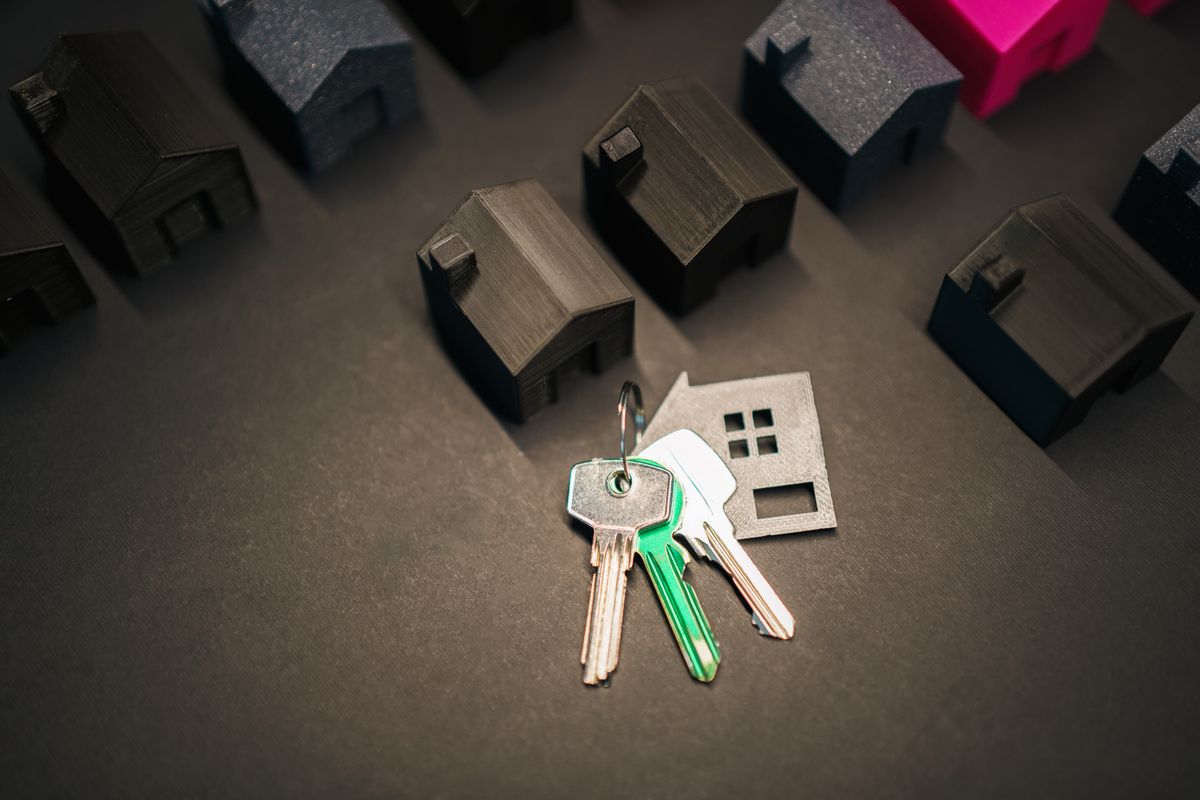
Buying carries costs that stretch well beyond the mortgage payment.
The True Cost of Buying
Buying involves more than the mortgage. There is the deposit, the fees for legal work and surveys, any transfer tax, and the cost of moving in. Once you own, you pay for maintenance, repairs, insurance, and any service charges or property tax. And there is the interest on the mortgage, which can be a large share of your payments in the early years.
Buying builds equity, which is a genuine advantage over time. But it also concentrates a huge share of your wealth in a single, illiquid asset that is expensive to sell and slow to turn into cash.
The Factors That Actually Decide It
The decision turns on a few questions, and the answers matter more than any general rule.
How long will you stay? Buying usually needs several years for the upfront costs to be worth it. Move too soon and you can lose money.
Is your life stable? A stable job, a settled area and a clear plan favour buying. Uncertainty favours renting.
Can you afford the full cost? Not just the mortgage, but the fees, taxes, insurance and repairs, with a buffer for surprises.
What will you do with the money you save by renting? If you invest it, renting can build wealth too. If you spend it, the comparison shifts.
Run the Honest Comparison
To compare fairly, add up the total cost of each option over the period you expect to stay. For renting, that is rent plus insurance and moving. For buying, that is the deposit, fees, taxes, interest, maintenance and insurance, minus the equity you would build and any expected change in property value. Include the return you could earn by investing the money you would otherwise tie up in a deposit.
When you lay it out over a realistic time frame, the answer is often less obvious than the slogans suggest. In some markets and time frames, buying wins clearly. In others, especially short stays in expensive cities, renting does.
The Non-Financial Side
Money is not the only factor. Owning a home gives some people a sense of security and a place to shape as they like. Renting gives others freedom and peace of mind. Neither is superior, and pretending the decision is purely mathematical ignores how much daily life matters. The best choice is one you can afford and that fits the life you actually want, not the life a slogan tells you to want.
Watch the Interest Rate and Term
If you do buy, the mortgage terms matter as much as the price. A longer term lowers the monthly payment but raises the total interest, sometimes by a great deal over the life of the loan. A variable rate may start lower but rise with the market, which can strain a budget that was comfortable when you signed. A fixed rate costs more certainty in exchange for protection from rises. Choose based on how much your income could absorb a shock, not only on which rate looks cheapest today. And leave room in your budget for the costs of ownership that arrive after the keys change hands, because they always do.
Common Mistakes
Buying because renting feels like waste, without running the numbers.
Ignoring fees, taxes and maintenance when budgeting for a purchase.
Buying when you might move within a few years.
Stretching to the maximum mortgage, leaving no buffer for repairs or rate rises.
Renting and spending the difference instead of investing it.
Treating the decision as permanent when circumstances change.

One more thing worth checking before you decide.
Frequently Asked Questions
Is buying always better than renting? No. It depends on how long you stay, the local market, and what you do with the money you would otherwise invest. Short stays often favour renting.
How long should I plan to stay before buying makes sense? Long enough for the upfront costs to be outweighed by equity and any price growth. The exact number of years depends on your market, so run the comparison.
Does renting mean I cannot build wealth? Not at all. If you invest the money you save by not buying, renting can build wealth as effectively as owning.
What costs do first-time buyers forget? Legal fees, surveys, transfer taxes, moving costs, and the ongoing cost of maintenance and repairs.
Can I change my mind later? Yes. Renting now does not rule out buying later, and buying does not trap you forever, though selling is slow and costly.
Conclusion
Renting versus buying is not a test of adulthood. It is a comparison between two sets of costs and two ways of living. Run the honest numbers over the time you expect to stay, weigh the non-financial side, and decide based on your life rather than a slogan. Done that way, the choice becomes what it should be: a decision about how you want to live and what you can comfortably afford, not a race to own something as soon as possible.






Comments 0
Sign in to join the conversation.
No comments yet. Be the first to say something.