

The Culture of Pathan People in Khyber Pakhtunkhwa, Pakistan
Introduction
Culture plays a fundamental role in shaping the identity, beliefs, and lifestyle of every society. It influences how people interact with one another, celebrate traditions, and pass values from one generation to the next. In a culturally diverse country like Pakistan, each province reflects its own unique traditions, customs, and social values. Among these regions, Khyber Pakhtunkhwa stands out for its strong cultural heritage and deeply rooted traditions associated with the Pathan or Pashtun people.
The Pathan community is widely recognized for its honor, bravery, hospitality, and commitment to social values. These characteristics have been preserved for centuries and continue to influence the daily lives of people in Khyber Pakhtunkhwa. Even in an age of rapid modernization and globalization, the traditions and cultural identity of the Pashtun people remain strong and respected.
Historical Background of the Pathan People
The Pathan people, also known as Pashtuns, have a rich historical background that stretches back thousands of years. Historians believe that Pashtun tribes originally settled in the mountainous areas of present-day Khyber Pakhtunkhwa and neighboring regions. Over time, these tribes developed a distinct cultural and social identity influenced by geography, tribal customs, and historical events.
Throughout history, the Pathans have been known for their courage and resistance against foreign invaders. Due to their strategic location along ancient trade routes, they interacted with various civilizations while still maintaining their cultural independence. This history of resilience and pride has played an important role in shaping the modern Pashtun identity.
Pashtunwali: The Code of Life
One of the most significant aspects of Pathan culture is the traditional code of conduct known as Pashtunwali. This unwritten system of ethics and social principles guides the behavior and relationships of Pashtun communities.
Pashtunwali includes values such as honor (nang), hospitality (melmastia), courage, justice, and loyalty. These principles help maintain harmony within the community and ensure respect among individuals. Hospitality is particularly important, as guests are treated with great generosity regardless of their social status.
Another important element of Pashtunwali is badal, which refers to justice and accountability. This principle emphasizes the importance of dignity and fairness in social interactions. For many Pashtuns, Pashtunwali is not just a tradition but a way of life that shapes moral values and social responsibilities.
Language and Literary Traditions
Language is one of the strongest symbols of cultural identity. The Pathan people primarily speak Pashto, which serves as a powerful medium for cultural expression and communication. Pashto literature includes poetry, proverbs, and folk stories that reflect the values and history of the Pashtun people.
Poetry holds a special place in Pashtun culture. Famous poets such as Khushal Khan Khattak and Rahman Baba have contributed significantly to Pashto literature. Their poetry often highlights themes of bravery, love, spirituality, and cultural pride.
Storytelling is another important tradition. Elders in the community often share historical stories and moral lessons with younger generations, helping preserve cultural knowledge and wisdom.
Traditional Dress and Appearance
Traditional clothing is an important representation of the cultural identity of the Pathan people. Men typically wear shalwar kameez along with a waistcoat and a turban or cap. This style of clothing reflects simplicity, dignity, and practicality, making it suitable for the climate and mountainous environment of the region.
Women’s traditional dresses are colorful and beautifully decorated with embroidery and patterns. These garments often include jewelry and accessories that highlight cultural craftsmanship. Although modern clothing styles have become popular among younger generations, traditional attire remains widely worn during festivals, weddings, and cultural celebrations.
Family Structure and Social Values
The family system is one of the strongest foundations of Pathan society. Families are usually large and closely connected, with strong relationships between relatives. The traditional structure is patriarchal, meaning that elders and male members often play a leading role in decision-making.
Respect for parents and elders is considered a fundamental value in Pashtun culture. Younger members of the family are taught to follow guidance and maintain family honor.
Community support is another key aspect of social life. Families often help one another during times of celebration or difficulty, creating a strong sense of unity and cooperation.
Marriage Customs and Celebrations
Marriage is regarded as a sacred and socially important event in Pathan culture. Traditionally, marriages are arranged with the involvement and approval of family elders. The process emphasizes compatibility between families rather than individual preference alone.
Wedding celebrations are joyful occasions that include traditional music, dancing, and large gatherings of relatives and friends. Cultural rituals and customs play an important role in these ceremonies.
Although modern influences are gradually changing some practices, many traditional wedding customs remain an essential part of Pashtun cultural identity.
Music, Dance, and Cultural Expression
Music and dance are vibrant forms of cultural expression among the Pathan people. Traditional musical instruments such as the rubab, tabla, and flute are commonly used in folk performances.
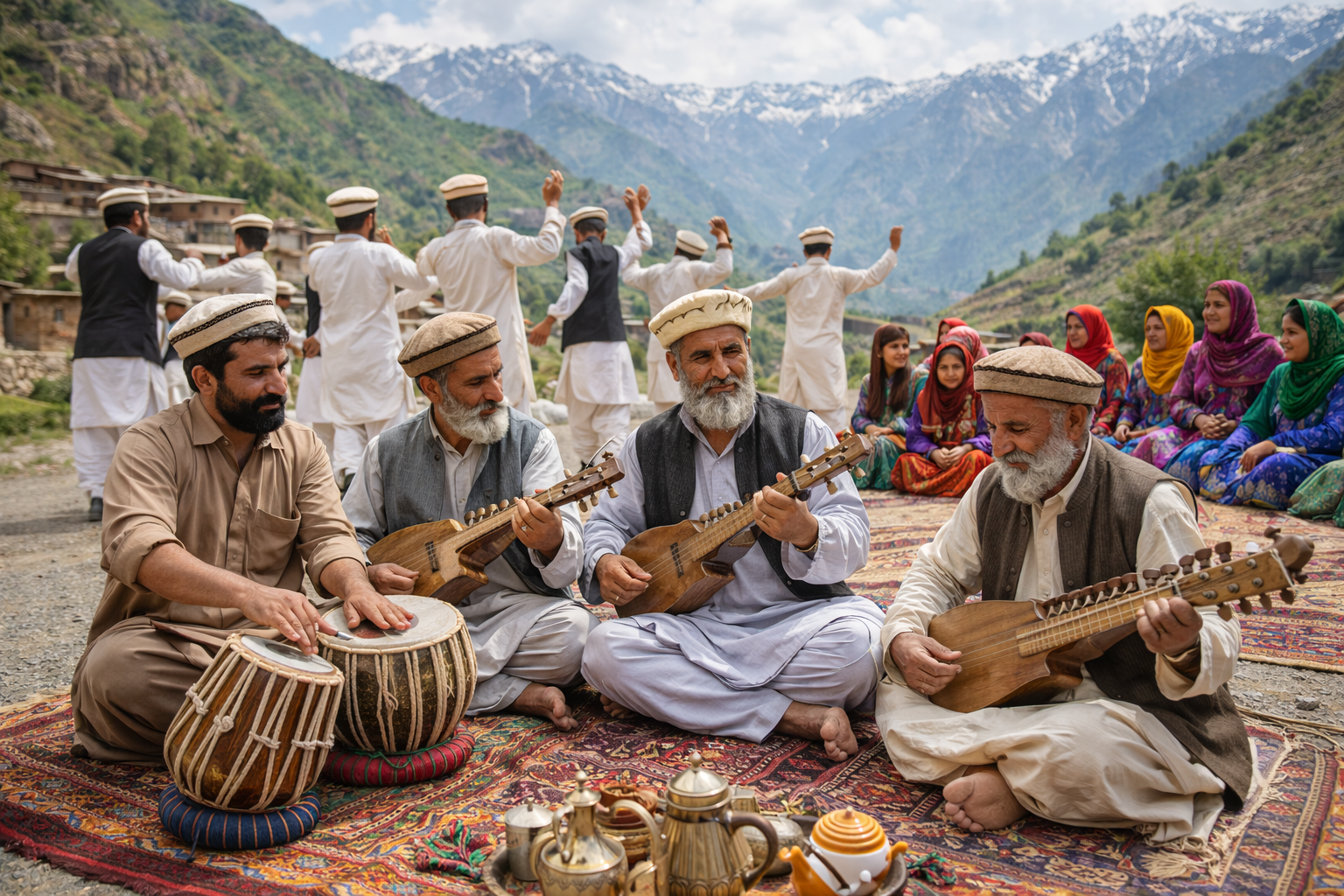
Songs often tell stories about bravery, romance, and cultural pride.
One of the most famous cultural dances of the Pashtun people is the Attan. This energetic dance is performed during celebrations and festivals and symbolizes unity, strength, and collective joy. Cultural performances like Attan play an important role in preserving traditions and strengthening community bonds.
Food and Hospitality Traditions
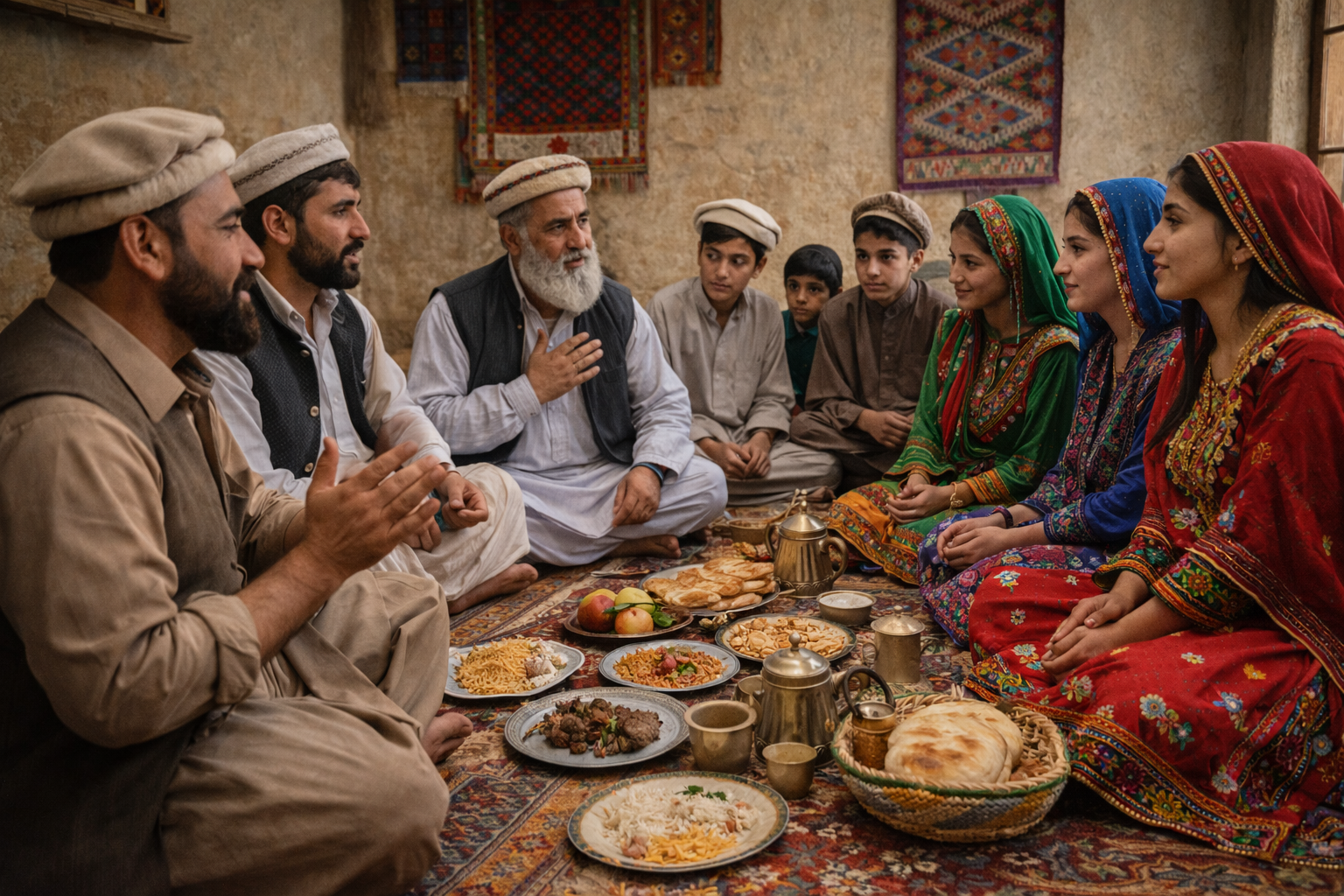
Food plays a significant role in the cultural traditions of the Pathan people. Meals are often simple but rich in flavor and nutrition. Popular dishes include meat-based foods, rice, bread, and dairy products.
Hospitality is one of the most respected values in Pashtun culture. Guests are warmly welcomed and offered the best available food and accommodation. Sharing meals together is considered a symbol of friendship and mutual respect.
In many Pashtun households, hospitality is not just a tradition but a matter of personal honor.
Role of Religion in Pathan Culture
Religion is a central part of the daily life and cultural practices of the Pathan people. Islam provides moral guidance and influences many aspects of social behavior and community interactions.
Mosques serve as important centers for worship, education, and social gatherings. Religious festivals such as Eid are celebrated with great enthusiasm, combining spiritual devotion with cultural traditions.
The integration of religious teachings with traditional values strengthens the ethical foundation of Pashtun society.
Modern Influences and Cultural Change
In recent decades, Pathan society has experienced significant changes due to education, urbanization, and technological advancement. Younger generations are increasingly exposed to modern lifestyles and global cultural trends.
Despite these influences, many traditional values such as honor, hospitality, and respect for elders continue to remain strong. Cultural festivals, literature, and educational initiatives are helping preserve Pashtun traditions in a rapidly changing world.
Challenges to Cultural Preservation
Like many traditional cultures, Pashtun culture faces several challenges. Migration to urban areas, economic pressures, and globalization can sometimes weaken traditional customs and practices.
However, many communities and cultural organizations are working actively to preserve their heritage. Through cultural events, educational programs, and media initiatives, efforts are being made to protect and promote the rich traditions of the Pashtun people.
Conclusion
The culture of the Pathan people in Khyber Pakhtunkhwa represents a powerful combination of history, tradition, and moral values. Rooted in the principles of Pashtunwali, this culture emphasizes honor, hospitality, and community unity.
Although modernization brings new opportunities and challenges, the resilience of Pashtun traditions ensures that their cultural identity continues to thrive. By preserving and celebrating these traditions, future generations can remain connected to their heritage and cultural roots.
Key Takeaways
-
Pathan culture is deeply rooted in history, tradition, and strong social values.
-
Pashtunwali serves as a guiding code for behavior and social relationships.
-
Family unity, hospitality, and respect for elders are central elements of Pashtun society.
-
Cultural expressions such as poetry, music, and Attan dance help preserve traditions.
-
Modern influences are shaping society, but core cultural values remain strong.
FAQ / Frequently Asked Questions
Who are the Pathan people?
The Pathans, also known as Pashtuns, are an ethnic group primarily living in Khyber Pakhtunkhwa in Pakistan and neighboring regions.What is Pashtunwali?
Pashtunwali is the traditional code of conduct followed by the Pashtun people. It emphasizes honor, hospitality, justice, and loyalty.What language do the Pathan people speak?
The primary language spoken by Pathans is Pashto, which is an important symbol of cultural identity.What is the traditional dance of the Pathan culture?
The traditional dance is Attan, which is performed during cultural celebrations and festivals.Final Thoughts
The culture of the Pathan people represents a remarkable example of resilience and pride. Even as modern influences shape society, the values of honor, respect, and hospitality remain central to Pashtun life. Preserving these traditions is essential not only for the people of Khyber Pakhtunkhwa but also for maintaining the cultural diversity that enriches Pakistan.
References / Sources
-
Cultural studies on Pashtun society
-
Historical research on Pashtun tribes
-
Pashto literature and poetry archives
-
Social and anthropological studies of Khyber Pakhtunkhwa
-

You must be logged in to post a comment.