

The rapid advancement of technology has transformed almost every aspect of our lives, from how we communicate to how we shop. One of the most revolutionary changes in recent years is the evolution of the global financial system. For centuries, humanity relied on physical money, such as paper notes and metal coins (fiat currency). However, we have officially entered the era of digital money, and at the forefront of this digital revolution is Cryptocurrency.
If you use the internet, you have undoubtedly heard terms like Bitcoin, Ethereum, crypto wallets, or digital trading. Many technology experts and economists believe that cryptocurrency represents the absolute future of money. On the other hand, traditional financial critics often warn that it is a highly volatile bubble or a risky speculative gamble. To understand which side is right, we must look deeper into what cryptocurrency actually is, how the underlying technology operates, and whether it is a safe asset for regular users. This comprehensive guide breaks down everything you need to know.
Understanding the Basic Concept of Cryptocurrency
At its core, a cryptocurrency is a digital or virtual currency that is secured by cryptography. Unlike traditional money, it does not exist in a physical form. You cannot hold a cryptocurrency in your hand, nor can you store it inside a physical leather wallet. Instead, it exists entirely as digital code and data entries recorded on a massive, distributed network of computers across the internet.
The word "Cryptocurrency" is derived from two distinct terms: "Cryptography" and "Currency". Cryptography refers to advanced computer coding and encryption techniques that protect data from being hacked or counterfeited. Currency, of course, refers to a medium of exchange used to buy goods and services. Because every transaction on this network is heavily encrypted to ensure maximum security and privacy, the system is called cryptocurrency.
Decentralization: The Freedom from Central Banks
To truly understand cryptocurrency, one must understand how traditional fiat money works. When you use Pakistani Rupees, US Dollars, or British Pounds, your money is fully managed and controlled by a central authority, such as a government or a central bank. These institutions have the absolute power to print more money, track your financial history, or even freeze your personal bank accounts at any moment.
Cryptocurrency completely changes this power dynamic because it operates on a decentralized network. This means that there is no central server, no CEO, no bank, and no government authority controlling the currency. Instead, the network is run by thousands of independent computers spread across the globe. Transactions take place directly between the sender and the receiver (peer-to-peer) without needing a financial middleman.
Blockchain Technology: The Backbone of Crypto
Cryptocurrency cannot exist without its foundational technology, which is known as Blockchain. If cryptocurrency is the digital money, blockchain is the digital ledger or register that keeps track of where that money goes.
Imagine a global notebook that is duplicated and shared across millions of computers simultaneously. Every time a transaction occurs, it is broadcast to this entire network. Once verified, it is written into the notebook permanently. Because everyone has an identical copy of this notebook, it is virtually impossible to alter the records or cheat the system.
The Step-by-Step Transaction Process
- Initiating the Transfer: A user decides to send a specific amount of digital currency to another user's digital wallet address.
- Network Broadcasting: The transaction request is broadcast to a peer-to-peer network consisting of computers called nodes.
- Verification: The network computers use complex algorithms to validate the transaction, ensuring the sender actually owns the funds.
- Creating a Block: Once verified, the transaction is combined with other transactions to form a digital "block."
- Chaining the Block: The new block is permanently added to the existing blockchain. The ledger is updated globally, and the funds are successfully delivered.
What is Crypto Mining?
You might wonder how new cryptocurrency coins enter circulation if governments do not print them. This process is called Crypto Mining. Miners use incredibly powerful computer hardware to solve highly complex mathematical puzzles. Solving these puzzles requires massive amounts of computational energy. When a miner's computer successfully solves a puzzle first, it earns the right to verify the next block of transactions, and as a reward, the system generates brand new coins and awards them to the miner.
The Most Popular Cryptocurrencies in the MarketWhile thousands of different digital coins exist today, they are generally divided into two main groups: Bitcoin and Altcoins (Alternative Coins).
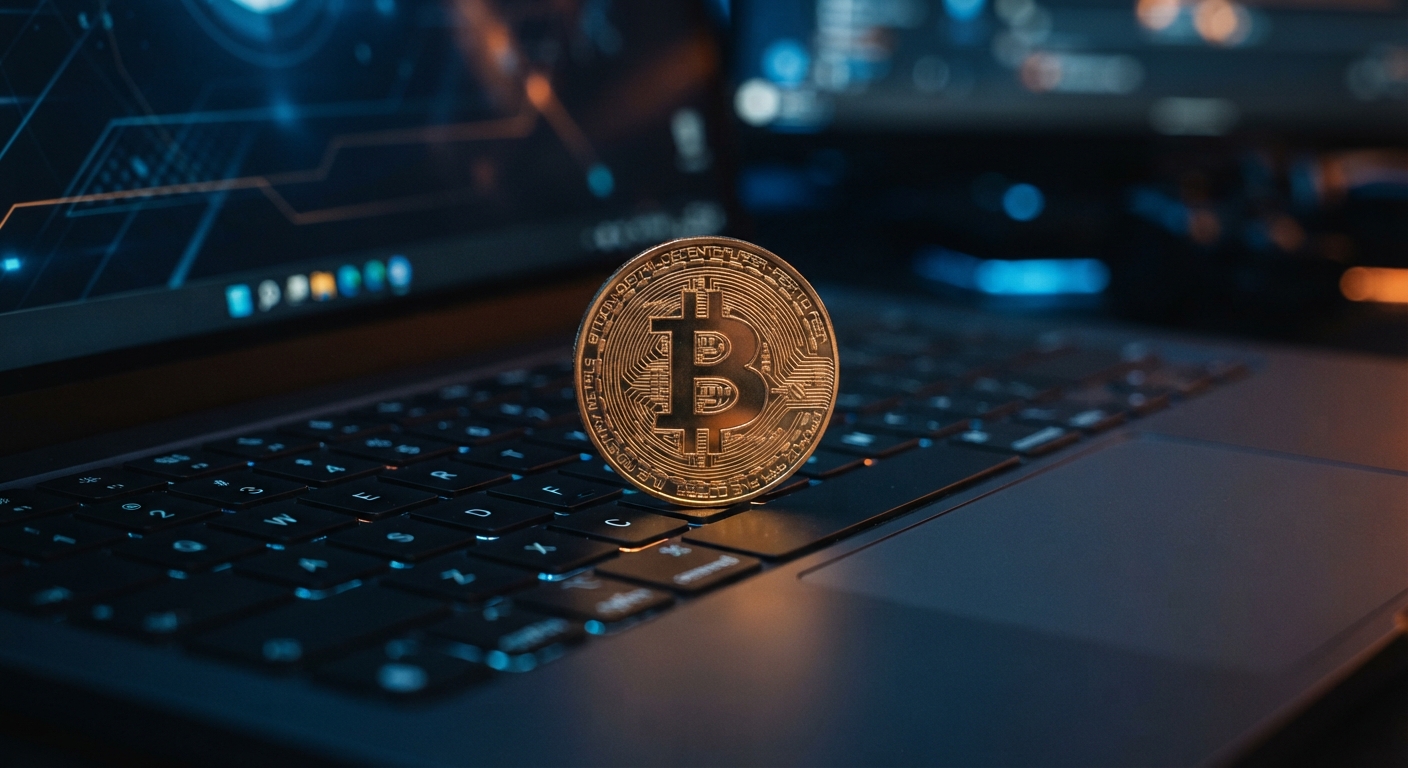
- Bitcoin (BTC): Launched in 2009 by an anonymous creator named Satoshi Nakamoto, Bitcoin is the world's very first and largest cryptocurrency. It is often referred to as "digital gold" because its supply is strictly limited to 21 million coins. As of October 2026, Bitcoin's price has reached historic highs, trading between $82,000 and $83,000 per coin.
- Ethereum (ETH): This is the second-largest cryptocurrency by market value. Ethereum is unique because it is not just a digital currency; its blockchain acts as a decentralized software platform. Developers use it to build decentralized applications (dApps) and automated digital agreements known as "smart contracts." It currently trades around $2,530.
- Solana (SOL) & Speed-Oriented Coins: Solana and similar platforms represent modern blockchains designed for ultra-fast transaction speeds and extremely low network fees.
-
- Stablecoins (USDT/USDC): These are a special category of cryptocurrency whose value is pegged directly to a stable asset, usually the US Dollar. One USDT is always worth exactly one dollar, allowing users to store funds safely without worrying about sudden price drops
- nstant and Cheap Global Transfers: Sending money across borders through traditional banks can take days and incurs high international wire fees. Crypto transactions can be sent to anyone anywhere in the world within minutes for a fraction of the cost.
- Absolute Financial Control: Because the system is decentralized, you have complete ownership of your wealth. No bank can lock you out of your account or dictate how you spend your funds.
- High Potential Returns: The crypto market has created massive wealth for early adopters. Its rapid price growth has outpaced traditional stock markets over the past decade.
- Extreme Volatility: Crypto prices can fluctuate wildly within hours. It is common for a coin to gain or lose 20% of its value in a single day, which can lead to sudden financial losses.
- Irreversible Mistakes: There is no customer support hotline in the decentralized world. If you accidentally send funds to the wrong wallet address, or if you lose your private wallet keys, your money is gone forever.
- Regulatory Uncertainty: Governments around the world are still struggling to create laws for crypto. Sudden bans or tax regulations can impact market values overnight.

You must be logged in to post a comment.