

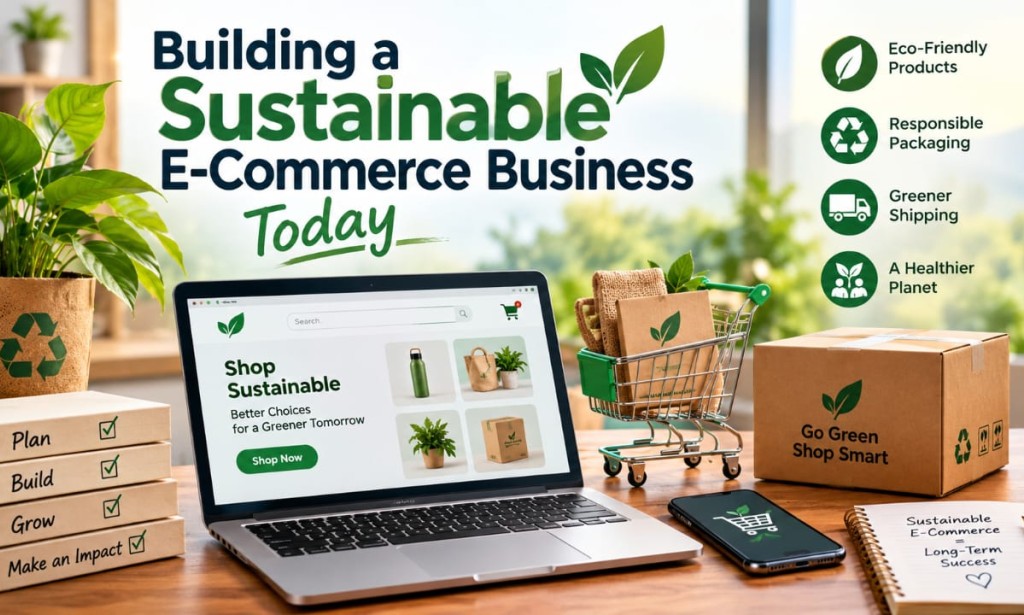
E-Commerce Evolution: Building a Sustainable Online Business in the Modern Era
Introduction:
The Death of Traditional Retail and the Rise of the Digital Storefront
Imagine a bustling marketplace that never sleeps. A store where millions of customers walk through the aisles every single second, free from geographical boundaries, language barriers, or opening hours. This isn't a futuristic dream—it is the reality of modern e-commerce.
Over the past two decades, the global retail landscape has undergone a monumental shift. What started as basic, text-heavy websites processing primitive transactions has mutated into a high-speed, dynamic ecosystem powered by Artificial Intelligence, Predictive Analytics, and Hyper-Personalization. Today, launching an online store requires merely a few clicks. But building a sustainable, highly profitable, and resilient e-commerce business in an over-saturated digital landscape? That requires an operational masterclass.
In this comprehensive guide, we unpack the historic evolution of modern digital commerce, dissect the strategic pillars necessary to survive the modern era, and reveal how innovative brands are creating sustainable competitive advantages that weather market volatility.
The Historic Shift: From Static Catalogs to Hyper-Personalized Commerce
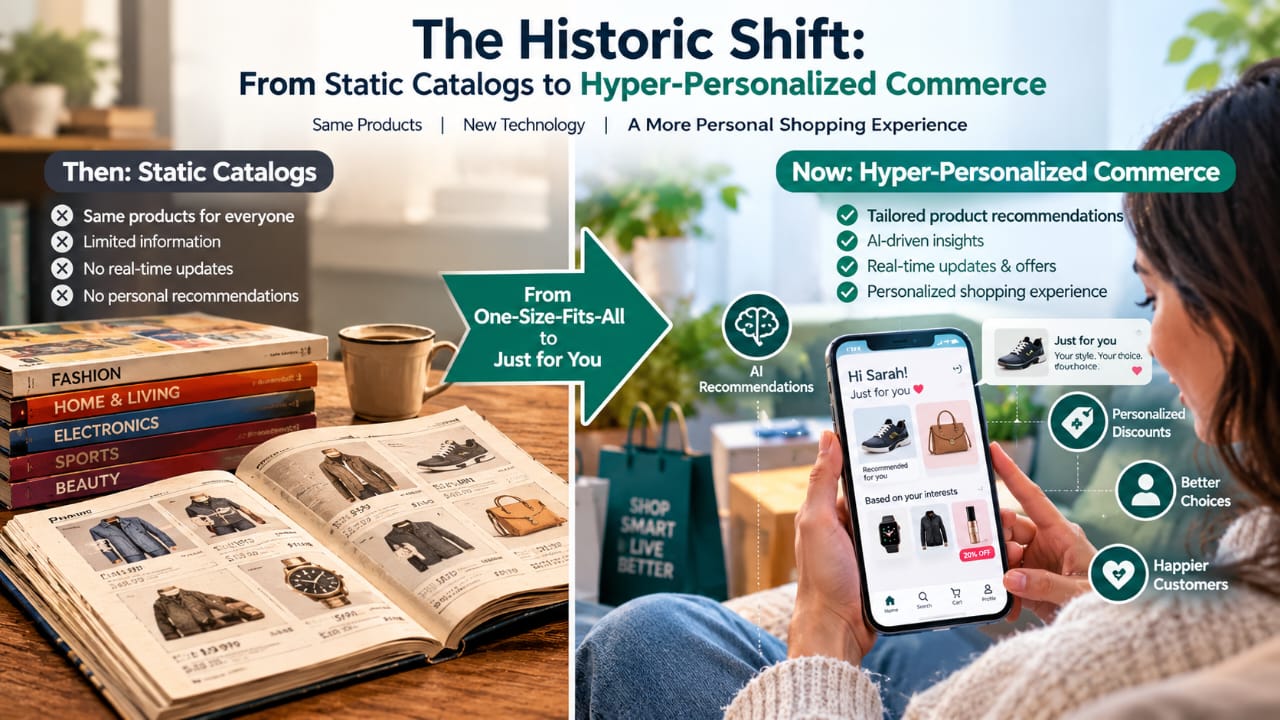
To build a business for tomorrow, one must understand the evolution of yesterday. The evolution of e-commerce can be divided into three distinct waves:
1. E-Commerce 1.0: The Informational Era (1995–2005)
Early digital platforms were little more than digital yellow pages. Transaction flows were manual, security protocols were rudimentary, and consumer trust was extremely fragile. Early pioneers like Amazon and eBay proved that consumers were willing to purchase physical goods over the internet, provided the value proposition was clear.
2. E-Commerce 2.0: Platformization and Mobile Ubiquity (2006–2018)
The launch of the smartphone, combined with cloud computing and turn-key infrastructure platforms like Shopify and WooCommerce, democratized online commerce. Suddenly, any seller, anywhere in the world, could launch a global brand overnight. Social media advertising became the primary engine for consumer acquisition, allowing DTC (Direct-to-Consumer) brands to skyrocket in valuation.
3. E-Commerce 3.0: Intelligent, Sustainable, and Omnichannel (2019–Present)
Today, customer acquisition costs (CAC) via digital ad networks have hit record highs. Data privacy regulations (such as iOS privacy updates and the sunsetting of third-party cookies) have forever altered digital marketing efficiency. Modern e-commerce is no longer about buying cheap traffic; it is about building deep, authentic brand equity, driving customer retention, and running scalable operational frameworks.
The 5 Pillars of a Sustainable Online Business in the Modern Era
Building a lasting brand requires shifting from short-term transactional marketing to long-term strategic execution. Below are the five foundational pillars that define successful modern e-commerce enterprises.
[ Modern E-Commerce Growth Ecosystem ]
│
┌────────────────────┼────────────────────┐
▼ ▼ ▼
Sustainable Omnichannel Data & AI
Supply Chain Experience Systems
│ │ │
└────────────────────┼────────────────────┘
▼
Customer-Centric Retention
Pillar 1: Sustainable Supply Chain and Ethical Operations
Modern consumers are vastly more discerning than previous generations. Environmental impact, supply chain transparency, and ethical manufacturing are no longer optional "marketing buzzwords"—they are core business metrics.
Sustainable Sourcing:
Transitioning to biodegradable packaging, recycled raw materials, and carbon-neutral shipping options increases customer conversion rates and strengthens long-term brand loyalty.
Inventory Agility
: Implementing On-Demand or Just-in-Time (JIT) manufacturing strategies mitigates the existential threat of deadstock and cash flow lockup.
Pillar 2: The Omnichannel Imperative (Beyond Direct-to-Consumer)
Relying exclusively on a single sales channel—whether it’s your independent storefront or a third-party marketplace—creates severe vulnerability.
Modern sustainable brands utilize a Hub-and-Spoke model:
The Brand Hub
: Your proprietary website (e.g., Shopify/Custom Web Store), where high-margin products, rich brand storytelling, and zero-party data ownership reside.
The Distribution Spokes
: Multi-channel touchpoints including Amazon, localized marketplaces, social commerce (TikTok Shop, Instagram Shopping), and strategic physical pop-up experiences.
This omnichannel approach ensures that customer touchpoints remain interconnected while protecting your brand from single-platform policy changes or algorithm updates.
Pillar 3: Leveraging AI and Hyper-Personalization
Artificial Intelligence has transitioned from a novel tech trend to the backbone of modern retail operations:
Predictive Inventory Management
: AI algorithms analyze historic demand patterns, seasonal shifts, and market trends to optimize stock levels and prevent inventory stockouts.
Algorithmic Personalization: Dynamic homepage layouts, individualized email workflows, and tailored product recommendations based on browsing history significantly elevate Average Order Value (AOV).
Automated Customer Service Agents
: AI-driven conversational bots handle up to 80% of routine logistics inquiries (such as order tracking and return processing), freeing human capital to focus on complex, high-touch support scenarios.
Mastering Financial Unit Economics: Moving From Revenue to Real Margin
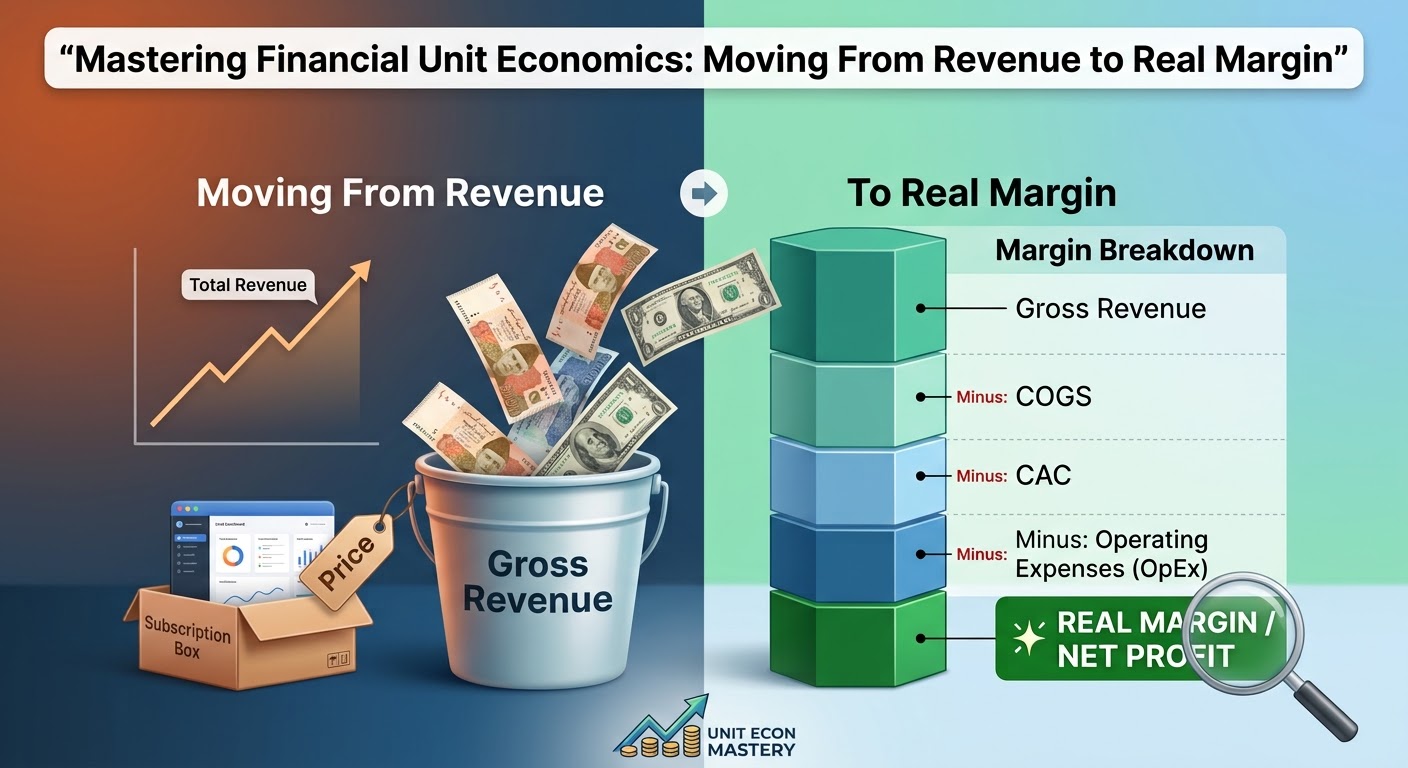
The most common failure mode in modern e-commerce is scaling revenue without profit. A business doing $1,000,000 in gross sales with a 2% net margin is infinitely more fragile than a business doing $300,000 with a 25% net margin.
To achieve long-term sustainability, e-commerce founders must rigorously optimize three core financial metrics:
1. Customer Acquisition Cost (CAC) vs. Customer Lifetime Value (LTV)
A healthy, sustainable business maintains an LTV to CAC ratio of at least 3:1.
If acquiring a customer costs $30, that customer must generate at least $90 in cumulative gross contribution margin over their purchasing lifespan.
2. Contribution Margin Optimization
Instead of focusing purely on Gross Margin, calculate your Net Contribution Margin:
Every product line that yields negative contribution margin after real variable costs must be either repriced, bundled, or eliminated.
3. Repeat Purchase Rate (The Ultimate Retention Engine)
Acquiring a new customer costs 5 to 7 times more than retaining an existing one. Sustainable brands prioritize robust post-purchase nurture funnels, VIP customer tiers, SMS loyalty campaigns, and subscription models to ensure consistent, predictable recurring revenue.
Actionable Strategy: A 5-Step Roadmap to Build Your Modern E-Commerce Empire
Step 1 ──► Define High-Margin Niche Product
Step 2 ──► Build Modern Omnichannel Tech Stack
Step 3 ──► Implement Zero-Party Data Strategy
Step 4 ──► Optimize Post-Purchase Retention
Step 5 ──► Automate & Scale Supply Chain
Define a Defensible Niche:
Avoid selling generic commodity items. Focus on solving specific pain points within passionate passion-driven communities.
Build a High-Converting Tech Stack
: Combine a lightning-fast frontend with seamless payment gateways, integrated ERP systems, and automated email marketing tools.
Capture Zero-Party Data Early
: Utilize interactive quizzes, surveys, and preference centers to collect direct user preferences straight from your target audience.
Deploy a Frictionless Returns Policy
: Turn returns into a marketing asset. Transparent, automated return processes significantly boost initial checkout conversion rates.
Systematize Operations:
Document operational SOPs, delegate routine tasks to specialized remote teams, and integrate automated inventory tools to free up executive focus for high-level business growth.
Conclusion: The Future belongs to the Adaptable
The evolution of e-commerce is far from over. As Virtual Reality, Web3 protocols, voice search, and autonomous delivery mechanisms mature, the barrier to entry will continue to lower, while the barrier to lasting success will continue to rise.
Building a sustainable online business in the modern era is not about chasing volatile viral trends or spending endlessly on digital advertising. It is about understanding the fundamental laws of business economics, building deep customer relationships, and leveraging cutting-edge technology to deliver unmatched value.
The digital storefront of the future is not just a place to buy things—it is a brand ecosystem where utility, sustainability, and trust converge. Those who master this balance will not just survive the e-commerce evolution; they will lead it.






Comments 0
Sign in to join the conversation.
No comments yet. Be the first to say something.