


Effective teamwork is at the heart of every successful organization. However, one of the biggest challenges leaders face is ensuring that team members work collaboratively toward common goals. This is where communicative leadership becomes a powerful tool. By fostering open, honest, and meaningful communication, leaders can bridge the gap between individuals, departments, and ideas, ultimately enhancing team collaboration.
In this article, we explore the concept of communicative leadership, its impact on teamwork, and actionable strategies to improve collaboration in any organization.
Key Words: Communicative Leadership, Team Collaboration, Effective Communication, Trust Building, Conflict Resolution, Active Listening, Leadership Skills, Team Dynamics
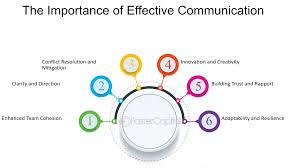
The Role of Communication in Leadership
Communication is the lifeblood of any team. It’s how ideas are shared, problems are solved, and relationships are built. Communicative leadership is a leadership style that prioritizes clear and effective communication to create an environment of transparency, trust, and collaboration.
Why Communicative Leadership Matters
- Fosters Trust: Open communication builds confidence between team members and leaders.
- Reduces Conflict: Clear communication helps prevent misunderstandings and resolve disputes quickly.
- Increases Efficiency: Teams with strong communication work more cohesively, reducing delays and errors.
- Enhances Innovation: When people feel heard, they are more likely to share creative ideas.
The Foundations of Communicative Leadership
1. Active Listening
Great leaders listen more than they speak. Active listening involves fully concentrating, understanding, and responding thoughtfully to others. It shows team members that their opinions are valued.
- How to Improve:
- Avoid interrupting during conversations.
- Paraphrase what the speaker says to confirm understanding.
- Use nonverbal cues like nodding or maintaining eye contact to show engagement.
2. Clarity and Consistency
Leaders must communicate their goals and expectations clearly. Vague or inconsistent messaging can lead to confusion and frustration among team members.
- Tip:
- Use simple, direct language to convey your message.
- Regularly check for understanding by asking questions or seeking feedback.
3. Emotional Intelligence
Communicative leaders are emotionally intelligent—they understand their own emotions and can empathize with others. This helps them manage conflicts and build stronger connections with their teams.
- How to Improve:
- Practice self-awareness by reflecting on your emotional responses.
- Respond to emotions in others with empathy and support.
4. Transparency and Openness
Being open about decisions, challenges, and changes fosters trust within the team. When leaders are transparent, team members are more likely to stay engaged and aligned with organizational goals.
- Tip:
- Share the reasoning behind decisions and involve team members in discussions where possible.

Strategies for Enhancing Team Collaboration
1. Create a Culture of Open Communication
Encourage team members to share their thoughts, ideas, and concerns freely. Open communication creates an environment where everyone feels valued and heard.
- How to Do It:
- Hold regular team meetings to discuss progress and address issues.
- Use anonymous surveys to gather honest feedback.
2. Use Collaborative Tools
Technology can play a vital role in improving team collaboration. Tools like project management software, instant messaging apps, and shared document platforms make it easier for teams to work together efficiently.
- Examples:
- Use Slack or Microsoft Teams for instant communication.
- Utilize tools like Trello or Asana to track projects and deadlines.
3. Set Clear Roles and Responsibilities
Ambiguity can hinder collaboration. Make sure every team member understands their role and how it contributes to the team’s overall goals.
- Tip:
- Create a team charter outlining roles, responsibilities, and expectations.
4. Address and Resolve Conflicts Quickly
Conflicts are inevitable in any team, but how they are handled can make or break collaboration. Leaders must mediate disputes fairly and ensure that all voices are heard.
- How to Resolve Conflicts:
- Approach conflicts with a solution-focused mindset.
- Encourage team members to express their viewpoints calmly and respectfully.
5. Celebrate Success Together
Recognizing team achievements fosters a sense of unity and motivates people to continue working together.
- How to Do It:
- Acknowledge individual contributions during meetings.
- Organize team-building events or celebratory gatherings.
The Impact of Communicative Leadership on Collaboration
When leaders prioritize communication, the effects on team collaboration are profound. Teams become more cohesive, morale improves, and productivity increases. Additionally, a communicative approach helps break down silos between departments, creating a more integrated and innovative organization.
Case Study: A Real-Life Example
At Google, leaders emphasize open communication and collaborative problem-solving. Regular "all-hands" meetings and feedback sessions ensure everyone feels involved in the company’s vision. This culture of communication has been key to Google’s success as one of the most innovative companies in the world.
How to Become a Communicative Leader
1. Practice Self-Reflection
Regularly evaluate your communication style. Are you listening actively? Are your messages clear? Self-awareness is the first step toward improvement.
2. Seek Feedback
Ask your team for feedback on your communication. Use their insights to identify areas for growth.
3. Invest in Development
Take courses, read books, or attend workshops on communication and leadership skills. Continuous learning will help you adapt to the evolving needs of your team.
Recommended Reads:
- Crucial Conversations: Tools for Talking When Stakes Are High by Patterson et al.
- Leaders Eat Last by Simon Sinek

Conclusion
Communicative leadership is a cornerstone of effective collaboration. By fostering open dialogue, building trust, and addressing conflicts proactively, leaders can create a team dynamic that thrives on mutual respect and shared goals.
Bridging the gap between individuals and departments starts with clear, empathetic, and consistent communication. When leaders prioritize these skills, they not only enhance teamwork but also lay the foundation for lasting organizational success.




Comments 0
Sign in to join the conversation.
No comments yet. Be the first to say something.