


Building brand loyalty is a crucial element for long-term business success. When customers are loyal to a brand, they are more likely to make repeat purchases, recommend the brand to others, and forgive occasional missteps. Developing brand loyalty involves not just offering great products or services but also creating meaningful, emotional connections with your customers. This article explores how businesses can cultivate and strengthen long-term relationships with their customers, ensuring brand loyalty that drives sustained growth and success.

Understanding Brand Loyalty
1. What Is Brand Loyalty?
Brand loyalty refers to the positive relationship that a customer develops with a brand, often resulting in repeat purchases, advocacy, and a preference for that brand over competitors. Loyal customers are emotionally invested in the brand and are more likely to stay loyal even when competitors offer similar or better products.
- Emotional Connection: Brand loyalty is often built on trust, shared values, and a sense of belonging. Customers feel that the brand understands and reflects their needs and desires.
- Beyond Transactions: It’s not just about making a sale; loyal customers see the brand as a key part of their lifestyle and values.
2. The Impact of Brand Loyalty
Loyal customers are more profitable in the long run. Not only do they make repeat purchases, but they also reduce customer acquisition costs by providing word-of-mouth referrals. Additionally, loyal customers are more likely to be forgiving when problems arise, as they trust the brand to resolve issues.
- Higher Lifetime Value: Loyal customers tend to spend more over time, increasing their lifetime value to the business.
- Word-of-Mouth Advocacy: Loyal customers often become brand advocates, recommending the brand to others, which can lead to new customer acquisition at a lower cost.
Strategies for Cultivating Brand Loyalty
1. Deliver Exceptional Customer Experience
A positive customer experience is foundational to building brand loyalty. Every interaction a customer has with your brand should be seamless, pleasant, and memorable. By prioritizing customer experience, businesses can establish trust and satisfaction that leads to long-term loyalty.
- Consistent, High-Quality Interactions: Ensure that every touchpoint—whether it’s customer service, online shopping, or product delivery—meets or exceeds customer expectations.
- Personalization: Tailor the customer experience to individual preferences using data and insights. Personal touches, such as remembering a customer’s name or preferences, can foster a deeper emotional connection.
2. Offer High-Quality Products and Services
The foundation of brand loyalty is delivering high-quality products and services that meet or exceed customer expectations. Customers are more likely to return to a brand that consistently delivers on its promises.
- Consistency: Customers should be able to rely on your products to work as expected every time.
- Innovation: Continuously improve and innovate your products and services to meet changing customer needs, preferences, and industry trends.
3. Create a Reward System
Loyalty programs are an effective way to incentivize repeat purchases and reward customers for their continued support. A well-structured loyalty program makes customers feel appreciated while encouraging them to engage more with your brand.
- Points-Based Rewards: Offer customers points for purchases, which they can redeem for discounts, exclusive products, or other rewards.
- Exclusive Offers and Early Access: Provide loyal customers with special perks such as early access to sales, limited-edition products, or members-only discounts, making them feel valued.
4. Build Trust through Transparency and Honesty
Trust is a cornerstone of brand loyalty. Customers are more likely to remain loyal to a brand they trust. Transparency in your business practices, product ingredients, pricing, and communication builds confidence and fosters long-term relationships.
- Clear Communication: Be open about your brand’s values, product sourcing, pricing, and policies. Customers appreciate transparency and are more likely to remain loyal to brands they trust.
- Handling Mistakes: Acknowledge and apologize for any mistakes or shortcomings. A transparent approach to addressing issues can actually strengthen customer loyalty, as customers see the brand as accountable and honest.
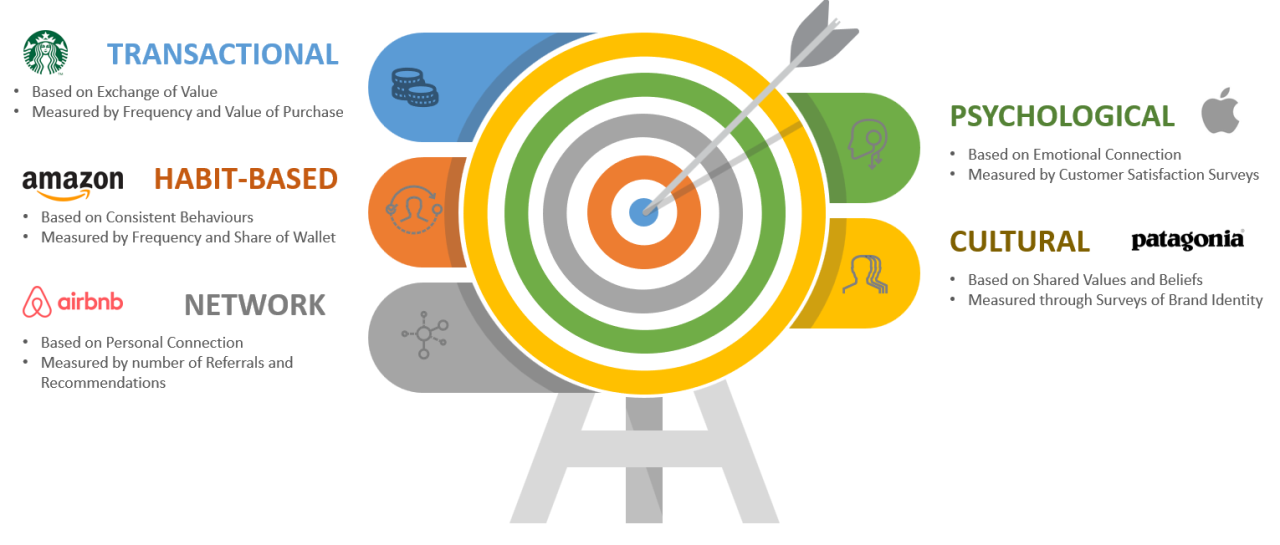
5. Engage with Your Customers Regularly
Frequent engagement keeps your brand top-of-mind and strengthens the emotional connection with customers. Through regular communication, businesses can remind customers of their value, offer helpful information, and create opportunities for interaction.
- Email Newsletters: Send regular updates, offers, and personalized content to keep customers engaged with your brand.
- Social Media Interaction: Engage with customers on social media by responding to their comments, sharing user-generated content, and creating interactive posts that encourage dialogue.
Strengthening Brand Loyalty Over Time
1. Focus on Customer Retention
While acquiring new customers is essential, retaining existing customers is far more cost-effective. Focus on strategies that turn first-time buyers into repeat customers, ensuring that loyalty continues to grow.
- Post-Purchase Engagement: Follow up with customers after their purchase to ask for feedback, offer helpful usage tips, or suggest complementary products.
- Customer Satisfaction Surveys: Regularly assess customer satisfaction to identify areas for improvement and ensure that your brand is meeting their expectations.
2. Create a Community Around Your Brand
Building a sense of community around your brand can create a loyal customer base that feels personally connected to your brand. This emotional connection often leads to stronger brand loyalty.
- Brand Advocacy: Encourage loyal customers to become brand ambassadors who share their positive experiences with others, either through social media or word of mouth.
- Engage in Social Causes: Align your brand with causes that resonate with your audience. Customers who identify with your brand’s values are more likely to remain loyal over time.
3. Leverage Customer Feedback
Loyal customers want to feel that their opinions matter. Actively seeking customer feedback and using it to improve products, services, and experiences demonstrates that you care about their needs and are committed to continuous improvement.
- Surveys and Focus Groups: Use customer surveys or focus groups to gather feedback on everything from product features to the customer service experience.
- Implement Changes Based on Feedback: Show customers that you’re listening by implementing changes or improvements based on their suggestions.
Overcoming Challenges to Brand Loyalty
1. Navigating Competition
In today’s saturated market, competitors may offer similar products or better deals, making it challenging to maintain brand loyalty. To stay ahead, businesses must continuously differentiate themselves through innovation, superior customer service, and added value.
- Unique Value Proposition: Clearly communicate what sets your brand apart from the competition and why customers should stay loyal to your products or services.
- Consistent Branding: Maintain a strong, consistent brand identity across all customer touchpoints to reinforce the emotional connection customers have with your brand.
2. Preventing Customer Fatigue
While loyalty programs and frequent engagement are beneficial, it’s important not to overwhelm customers with constant communication or excessive promotions. Balance is key to ensuring that your customers remain engaged without feeling bombarded.
- Respecting Customer Preferences: Allow customers to set preferences for the frequency and type of communication they receive from your brand.
- Offering Value: Ensure that all interactions, whether through marketing emails or social media posts, offer something of value to the customer, whether it’s useful information, exclusive offers, or entertainment.

Conclusion
Brand loyalty is built on more than just delivering great products or services—it’s about creating an emotional connection with your customers and continuously meeting their needs. By offering exceptional customer experiences, building trust, engaging with your audience, and rewarding loyalty, businesses can create strong, long-lasting relationships with their customers. The payoff is not only repeat business and positive word-of-mouth but also a strong, resilient brand that can withstand market challenges and continue to thrive over time.





Comments 0
Sign in to join the conversation.
No comments yet. Be the first to say something.