
Always Tired? 7 Warning Signs of Iron Deficiency You Should Never Ignore
Do you feel tired even after a full night's sleep? Do you sometimes feel dizzy or struggle to concentrate on your daily tasks? There could be several reasons behind these problems, and iron deficiency is one of them.
Iron is an important mineral that your body needs to stay healthy. It helps your blood carry oxygen to different parts of your body. Without enough iron, we may feel weak, tired, and less energetic than usual.
Many people ignore these signs because they think they are simply tired from work, studies, or household chores.
What Is Iron Deficiency?
Iron deficiency means your body does not have enough iron to meet its needs. Your body uses iron to make hemoglobin, a protein in red blood cells that carries oxygen from your lungs to the rest of your body.
When your iron levels become too low, your body may struggle to produce enough healthy red blood cells. This can eventually lead to iron-deficiency anemia, which affects how effectively your blood carries oxygen.
However, low iron levels do not always mean you have anemia. Your iron stores may become low before your hemoglobin levels fall. Recognizing the problem early can help you get the right treatment.
7 Common Warning Signs of Iron Deficiency
Iron deficiency does not affect everyone in the same way. Some people notice several symptoms, while others may not realize anything is wrong until the problem becomes more serious.
1. Feeling Tired All the Time
Feeling tired is one of the most common signs of iron deficiency. You might wake up feeling fine but lose your energy as the day goes on. Even simple activities may begin to feel exhausting.
When iron deficiency causes anemia, less oxygen can reach your body's tissues. This may leave you feeling weak and tired. However, tiredness does not always mean your iron levels are low. Poor sleep, stress, and other health problems can cause similar feelings.
2. Pale Skin
Some people with iron-deficiency anemia notice that their skin looks paler than usual. Paleness may also be visible inside the lower eyelids or on the gums.
This happens because low hemoglobin can affect the normal red color of the blood. However, skin color differs naturally from person to person, so paleness alone cannot confirm an iron deficiency.
3. Headaches and Dizziness
Frequent headaches and dizziness can sometimes occur when iron deficiency leads to anemia. You may feel lightheaded or find it difficult to focus on what you are doing.
These symptoms can also result from dehydration, low blood pressure, or other conditions. If they happen often, speak with a healthcare professional instead of guessing what is wrong.
4. Getting Out of Breath Easily
Do you feel unusually breathless while climbing stairs or walking? Iron-deficiency anemia can make physical activities harder because your blood cannot carry oxygen as effectively as it should.
Some people also notice a faster heartbeat during activity. Sudden or severe breathing difficulties require urgent medical attention and should never be ignored.
5. Trouble Concentrating
Iron plays a role in normal brain function. When iron levels are low, some people experience tiredness and difficulty concentrating.
Students may find it harder to focus during study sessions, while others may struggle to finish their daily work. Poor concentration can have many causes, including stress and lack of sleep.
6. Brittle Nails and Hair Changes
Low iron levels may contribute to brittle nails and increased hair shedding in some people. You might notice that your nails break easily or that your hair seems thinner than before.
These changes can also result from hormonal changes, genetics, and other nutritional problems.
7. Unusual Cravings
Some people with iron deficiency develop unusual cravings for things that are not food, such as ice, soil, or paper. This condition is called pica.
A strong desire to chew ice can sometimes be linked to low iron levels. If you experience unusual cravings, mention them to your doctor. Avoid eating soil, paper, or other non-food substances because they may be harmful.
What Causes Iron Deficiency?
There is no single reason why someone develops iron deficiency. Sometimes, the problem begins with their diet. In other cases, blood loss or difficulty absorbing iron is responsible.
Not eating enough iron-rich foods can make it difficult to meet your body's needs. This may be a concern for people whose diets contain very few sources of iron.
Heavy menstrual bleeding is another common cause. Losing a lot of blood during periods can gradually reduce the body's iron stores.
Pregnancy can also increase iron requirements because the body needs more iron to support the developing baby.
Certain digestive conditions can make it harder for the body to absorb iron. Blood loss from the digestive tract can also cause deficiency.
Learn more about iron deficiency at the NHS website.
Iron-Rich Foods You Can Eat Every Day
You do not need an expensive diet to get iron. Several everyday foods can help you meet your nutritional needs when included in balanced meals.
Lentils and beans: Lentils, chickpeas, and kidney beans contain iron, protein, and fiber. They are affordable choices for many and can be used in different dishes.
Meat and fish: Beef, chicken, and certain types of seafood provide iron. The body generally absorbs iron from animal foods more easily than iron from plant foods.
Green vegetables: Spinach and other leafy green vegetables contain iron and several other nutrients. Eating different vegetables can help you maintain a balanced diet.
Nuts and seeds: Pumpkin seeds, sesame seeds, and some nuts provide iron.
Fortified cereals: Some breakfast cereals have iron added to them. Check the nutrition label to see how much iron they contain.
Eggs: Eggs provide protein and several nutrients, including some iron. They can be part of a healthy, varied diet.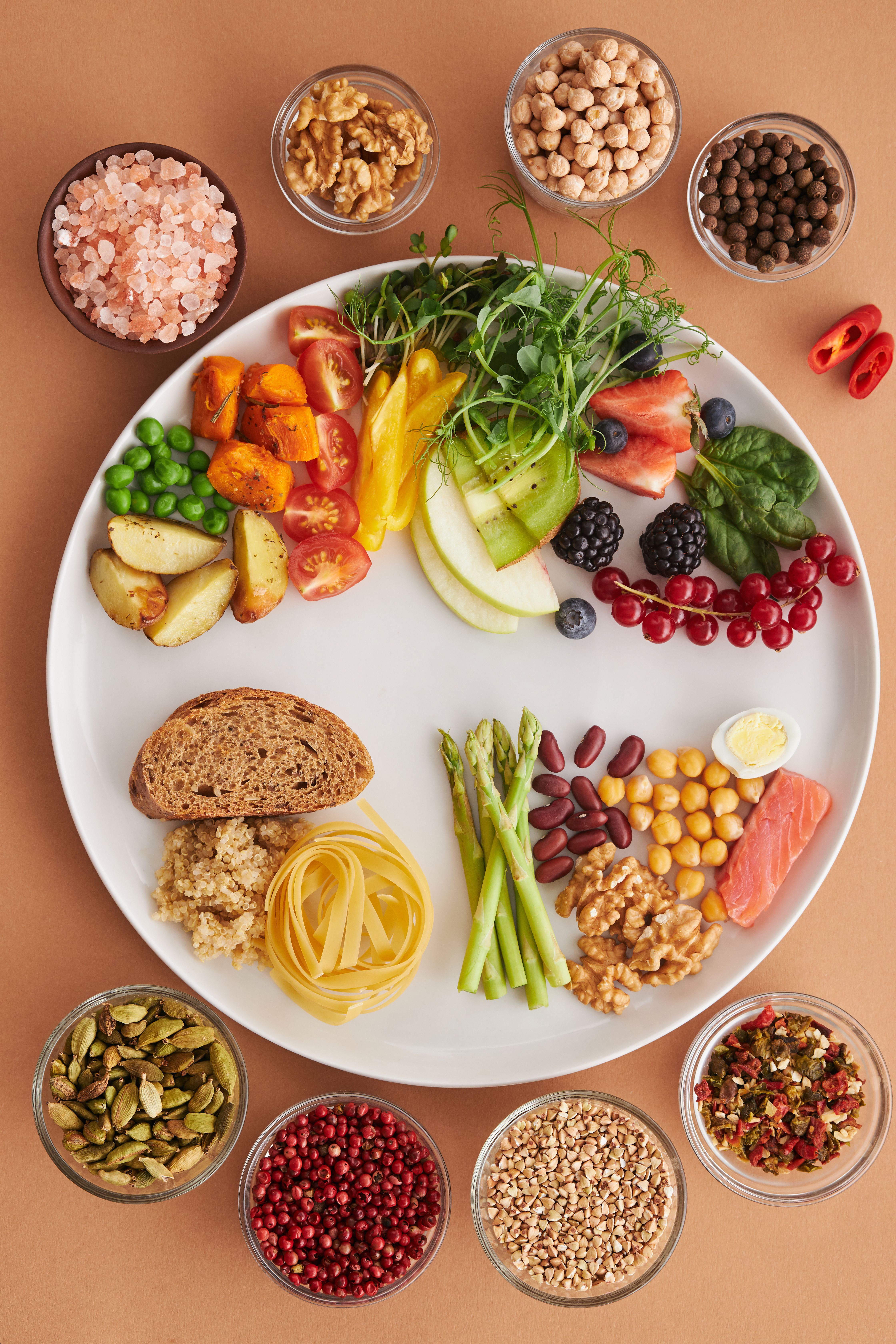
Simple tip: eat vitamin C-rich foods along with plant sources of iron. For example, add tomatoes or lemon juice to lentils, or enjoy an orange with your meal. Vitamin C helps your body absorb plant-based iron.
Tea and coffee can reduce iron absorption when consumed with meals. If you are concerned about low iron levels, try drinking them between meals instead.
Explore iron-rich foods.
How Can You Support Your Health Naturally?
Looking after your health does not always require complicated changes. Simple habits can help you maintain a balanced diet and support your body's nutritional needs.
Start by including different iron-rich foods in your meals. Lentils, beans, vegetables, eggs, and other suitable foods can help you eat a more varied diet.
Next, pair plant-based iron sources with vitamin C-rich foods. This small change can help your body absorb iron more effectively.
Getting enough sleep, drinking water, and eating regular meals can also support your general well-being. However, these habits cannot correct significant iron deficiency on their own.
Most importantly, do not ignore symptoms that keep returning. If you regularly feel exhausted, dizzy, or unusually weak, speak with a healthcare professional rather than guessing what your body needs.
Avoid taking iron supplements without medical advice. Too much iron can be harmful, and supplements may cause constipation, nausea, or stomach discomfort.
When Should You See a Doctor?
If you often feel tired, experience repeated dizziness, notice unusual cravings, or have heavy menstrual bleeding, arrange a medical appointment.
Your doctor may recommend a complete blood count and a ferritin test to check your iron levels and iron stores. Depending on the results, further tests may be needed to find the cause.
Treatment depends on your situation. Some people need dietary changes, while others require iron supplements or treatment for an underlying health problem.
Seek urgent medical attention if you experience severe breathing difficulties, chest pain, or fainting.
Final Thoughts
Iron deficiency can affect how you feel throughout the day. You may notice constant tiredness, headaches, difficulty concentrating, or changes in your hair and nails.
The important thing is not to dismiss these symptoms when they keep returning. Eating iron-rich foods and combining plant sources with vitamin C can help support healthy iron levels.
However, food alone may not be enough if you already have a significant deficiency. If you suspect that your iron levels are low, speak with a healthcare professional and get the appropriate tests.
Read more about iron and its health benefits

You must be logged in to post a comment.