

Storytelling has been a cornerstone of human culture for millennia, serving as a means to preserve history, impart lessons, and entertain audiences. In the modern era, storytelling extends to various forms of media, including films, television, literature, and digital platforms. However, the ways in which stories are told and consumed differ significantly across cultures, reflecting unique values, traditions, and perspectives.
This article delves into the rich diversity of storytelling and media across cultures, exploring how these variations shape global entertainment and influence cross-cultural understanding.
The Universal Nature of Storytelling
Despite cultural differences, storytelling is a universal human activity. Common themes such as love, conflict, heroism, and transformation resonate with audiences worldwide.
Key Universal Elements in Storytelling:
- Archetypal Characters: Heroes, villains, mentors, and tricksters appear in stories across cultures.
- Moral Lessons: Stories often teach values like honesty, courage, and resilience.
- Conflict and Resolution: The struggle between opposing forces drives narratives globally.
While these elements are shared, how they are expressed varies widely, reflecting cultural norms and beliefs.
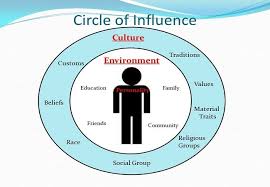
Cultural Influences on Storytelling
1. Mythology and Folklore
Many cultures draw on ancient myths and folklore to inform modern storytelling.
- Greek Mythology: Inspires themes of fate, heroism, and tragedy in Western media.
- Indian Epics: Stories like the Mahabharata and Ramayana influence narratives in Bollywood and beyond.
- African Oral Traditions: Emphasize communal values and often feature animal characters as symbolic figures.
2. Narrative Structures
Cultural storytelling often differs in structure and pacing.
- Western Linear Narratives: Focus on a clear beginning, middle, and end with rising tension and resolution.
- Eastern Cyclical Narratives: Highlight repetition and interconnectedness, reflecting philosophies like Buddhism and Taoism.
- Non-linear Storytelling: Popular in Indigenous cultures, where time and events are seen as fluid and interconnected.
3. Themes and Values
Stories reflect cultural priorities and moral frameworks.
- Individualism vs. Collectivism: Western stories often highlight individual triumphs, while Eastern tales emphasize harmony and collective well-being.
- Honor and Duty: Japanese media frequently explores these themes, as seen in samurai films and anime.
- Resilience and Survival: Central themes in African and Latin American narratives, shaped by historical struggles.
Media as a Vehicle for Storytelling
1. Film and Television
Cinema and TV series showcase cultural storytelling in visually compelling ways.
- Hollywood Blockbusters: Known for action-packed, high-budget productions with global appeal.
- Bollywood: Combines music, dance, and drama, often rooted in Indian traditions and family dynamics.
- Korean Dramas (K-Dramas): Blend romance, suspense, and social commentary, attracting international audiences.
2. Literature and Folklore Revivals
Books remain a timeless medium for cultural storytelling.
- Magical Realism: Latin American authors like Gabriel García Márquez blend the fantastical with the real.
- Fantasy Epics: European-inspired tales like The Lord of the Rings have global influence.
- Modern Retellings: Authors worldwide reinterpret traditional stories for contemporary audiences.
3. Digital Platforms
The rise of digital media has democratized storytelling.
- Streaming Services: Platforms like Netflix and Hulu offer diverse content from various cultures.
- Social Media: Short-form storytelling thrives on platforms like TikTok and Instagram.
- Interactive Media: Video games and virtual reality create immersive storytelling experiences.

Cultural Variations in Media Consumption
Cultural preferences also shape how stories are consumed.
- Cinema vs. Streaming: While Western audiences increasingly prefer on-demand content, cinema-going remains a cherished tradition in countries like India and China.
- Genres: Comedy and action dominate in some regions, while others favor melodrama or historical epics.
- Language: Subtitles and dubbing enable cross-cultural access but also highlight linguistic nuances.
The Impact of Globalization
Globalization has led to a fusion of storytelling styles, creating a rich tapestry of global entertainment.
- Cross-Cultural Collaborations: Films like Parasite and Crazy Rich Asians blend cultural specificity with universal appeal.
- Cultural Appropriation vs. Appreciation: While some projects celebrate cultural diversity, others risk oversimplifying or misrepresenting cultures.
- Global Audiences: Diverse viewers shape content creation, encouraging inclusivity and innovation.
Challenges in Cross-Cultural Storytelling
1. Stereotypes and Misrepresentation
Simplistic portrayals can perpetuate cultural stereotypes.
Solution: Involve creators from the represented culture to ensure authenticity.
2. Language Barriers
Translation can dilute nuances in storytelling.
Solution: Invest in high-quality translation and subtitling.
3. Balancing Universal and Local Appeal
Creating stories that resonate globally while staying true to cultural roots is a delicate balance.
The Future of Storytelling and Media
The future of cultural storytelling is shaped by emerging trends and technologies.
- Artificial Intelligence: AI-driven tools can personalize storytelling experiences.
- Virtual Reality (VR): Immersive experiences allow audiences to "step into" stories.
- Decentralized Platforms: Blockchain-based media can empower creators globally.
- Cultural Preservation: Digital archives ensure traditional stories are accessible to future generations.
Conclusion
Cultural variations in storytelling and media enrich the global entertainment landscape, offering diverse perspectives and deepening our understanding of one another. As technology continues to evolve and connect the world, the fusion of cultural narratives will foster a more inclusive and innovative storytelling ecosystem.

You must be logged in to post a comment.