

A Comparative Analysis of Donald Trump and Imran Khan
Donald Trump and Imran Khan are two prominent political figures who emerged as non-traditional leaders in their respective countries, the United States and Pakistan. Despite operating in vastly different political, social, and economic contexts, both have drawn comparisons due to their populist rhetoric, media presence, and outsider status in politics. This article explores the similarities and differences between the two leaders in terms of their backgrounds, leadership styles, governance, and public appeal.
Background and Rise to Power
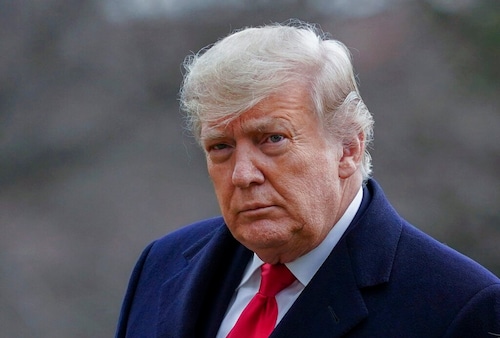
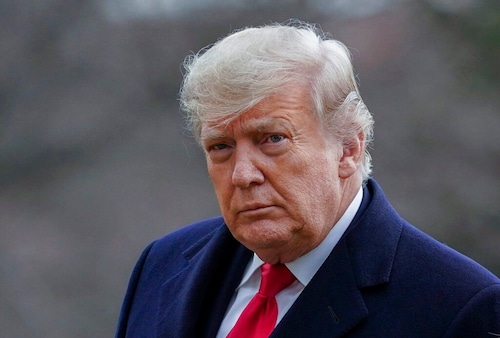
Donald Trump, a real estate mogul and reality TV star, entered politics with no prior government or military experience. His 2016 presidential campaign capitalized on his image as a successful businessman and a straight-talking outsider who promised to “drain the swamp” in Washington. He ran as a Republican, but his approach often defied traditional party lines.
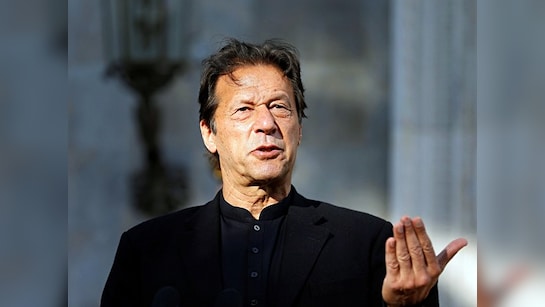
Imran Khan, on the other hand, was a celebrated cricketer who led Pakistan to victory in the 1992 Cricket World Cup. He transitioned to politics by founding the Pakistan Tehreek-e-Insaf (PTI) in 1996. For years, PTI remained a fringe party until Khan gained momentum by appealing to youth and middle-class voters, ultimately becoming Prime Minister in 2018.
Populist Appeal and Media Strategy
Both Trump and Khan leveraged mass media and social platforms to connect directly with the public. Trump was known for his aggressive use of Twitter, often making controversial statements that kept him in the spotlight. His unfiltered communication style resonated with a large base of voters who felt ignored by traditional elites.
Similarly, Imran Khan used social media and televised speeches to engage with young Pakistanis and urban voters. His promise of creating a “Naya Pakistan” (New Pakistan) drew support from those disillusioned with the country’s dynastic politics and corruption.
Leadership Style and Governance
Trump’s leadership style was highly confrontational and centered around nationalism. His “America First” policy shaped his approach to international relations, immigration, and trade. He often clashed with media and political institutions, portraying himself as a victim of the “deep state” and fake news.
Imran Khan also presented himself as a reformer who would rid Pakistan of corruption and foreign dependency. His governance style was less combative but often criticized for being idealistic and lacking in execution. While Trump relied heavily on executive orders, Khan faced the constraints of a parliamentary system, which limited his ability to act unilaterally.
Economic and Foreign Policies
Trump focused on reviving American manufacturing, reducing taxes, and renegotiating trade deals. His administration saw economic growth before the COVID-19 pandemic, but his protectionist policies drew mixed reactions globally.
Imran Khan inherited a struggling economy and turned to the International Monetary Fund (IMF) for assistance. His government aimed to increase tax collection, promote exports, and reduce the fiscal deficit. However, inflation and unemployment remained persistent challenges.
On foreign policy, Trump’s term was marked by unpredictability—pulling out of global agreements and engaging directly with North Korea. Khan emphasized regional peace, especially with India and Afghanistan, and positioned Pakistan as a responsible player on the international stage.
Controversies and Criticism
Both leaders faced significant controversies. Trump was impeached twice and frequently accused of spreading misinformation and inciting division. His supporters viewed him as a victim of political persecution.
Imran Khan’s critics accused him of being backed by Pakistan’s military establishment, undermining democratic norms. His handling of inflation, press freedom, and political opposition drew widespread criticism.
Conclusion
Donald Trump and Imran Khan are emblematic of a global trend toward populist, outsider leaders. While their personalities and methods differ, both disrupted traditional politics by presenting themselves as champions of the common man. Their legacies remain contested—admired by loyal followers and critiqued by opponents—but they have undeniably reshaped the political landscapes of their nations.
.

You must be logged in to post a comment.