
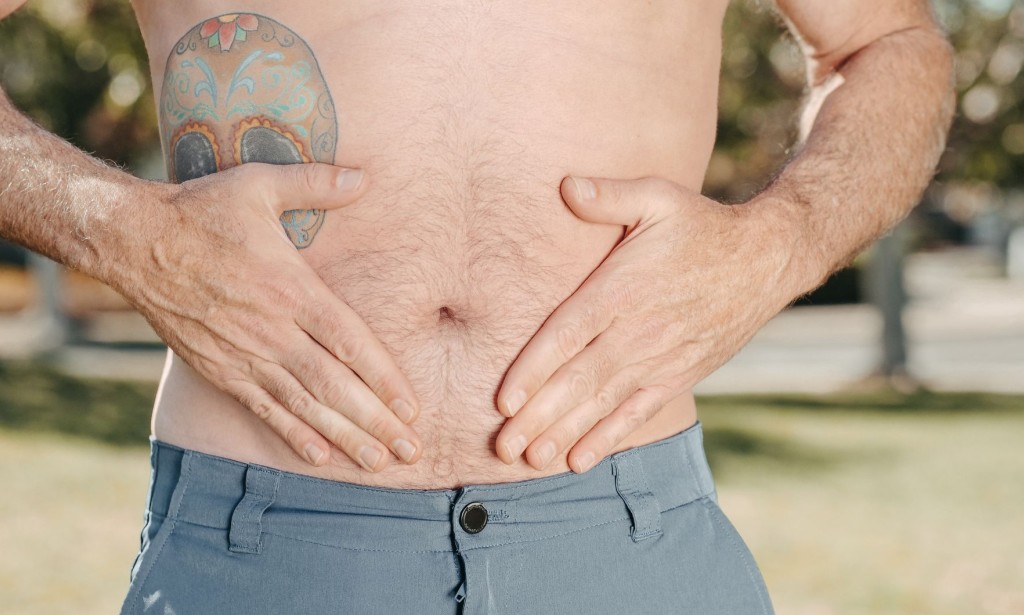
9 Early Hernia Symptoms People Ignore Until It’s Too Late
Introduction
A hernia is one of the most common yet frequently ignored health conditions in the world. Many people believe a hernia only becomes a problem when a visible lump appears or severe pain starts. However, the truth is far more alarming: hernias often begin with subtle warning signs that most people overlook.
A hernia occurs when an internal organ or tissue pushes through a weak spot in the surrounding muscle or connective tissue. While hernias can develop in different parts of the body, they most commonly occur in the abdomen or groin area. If left untreated, a hernia can worsen over time and potentially lead to life-threatening complications.
The dangerous part is that early hernia symptoms often feel minor or harmless. People dismiss them as muscle strain, gas, or simple fatigue. Unfortunately, ignoring these warning signs can allow the condition to progress to a stage where surgery becomes unavoidable.
In this article, we will explore 9 early hernia symptoms that many people ignore until it’s too late. Understanding these symptoms can help you detect the condition earlier and seek proper medical attention before serious complications arise.
Understanding Hernia: What Happens Inside the Body
Before discussing symptoms, it’s important to understand how a hernia forms.
Your abdominal wall is made of strong muscles designed to hold organs like the intestines in place. When a weak area develops in these muscles, internal tissues can push through, creating a hernia.
Common Types of Hernias
Some of the most common types include:
Inguinal hernia – Occurs in the groin and is the most common type
Hiatal hernia – Happens when part of the stomach pushes into the chest
Umbilical hernia – Appears around the belly button
Incisional hernia – Develops after abdominal surgery
Femoral hernia – Occurs in the upper thigh area
Each type can produce slightly different symptoms, but the early warning signs are often very similar.
Why Early Hernia Symptoms Are Often Ignored
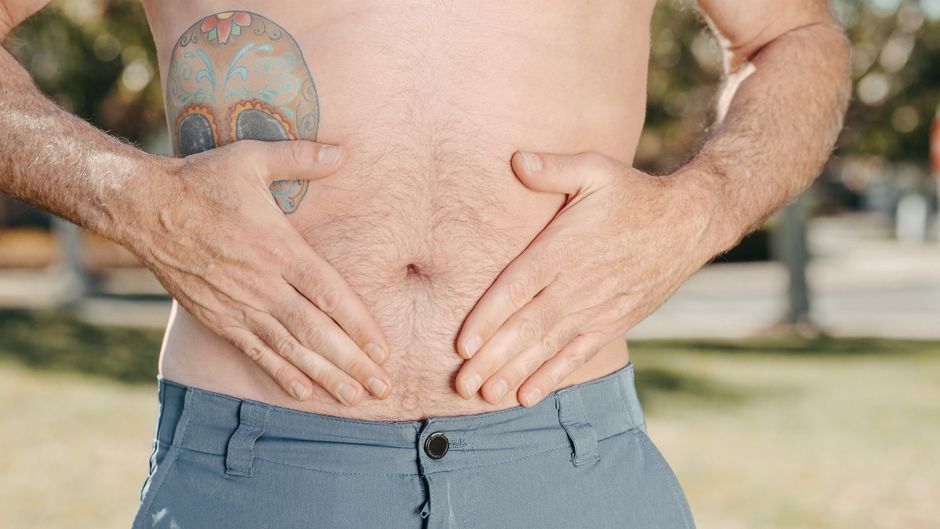
Many people fail to recognize early hernia symptoms because they mimic everyday discomforts.
Common reasons people ignore hernia symptoms:
Symptoms come and go
Pain is mild at first
People assume it is gas or indigestion
The bulge may not appear immediately
Symptoms worsen only during certain activities
Unfortunately, delaying treatment allows the hernia to grow larger and increases the risk of complications such as incarcerated hernia or strangulated hernia, both of which require emergency surgery.
1. A Small Bulge That Appears and Disappears
One of the earliest signs of a hernia is a small bulge under the skin, especially in the abdomen or groin area.
At first, this bulge may only appear when:
Standing
Coughing
Straining
Lifting heavy objects
When lying down, the bulge may disappear completely. This is why many people ignore it.
Why This Symptom Is Dangerous
A disappearing bulge does not mean the problem is gone. It simply means the tissue is temporarily moving back into place.
Over time:
The bulge becomes permanent
The hernia grows larger
Pain and complications increase
2. A Feeling of Heaviness in the Abdomen
Many people with early hernias report a strange heavy or dragging sensation in the abdomen.
This feeling is often described as:
Pressure in the lower stomach
Tightness in the groin
A pulling sensation while walking
When This Happens
The heaviness usually worsens during:
Long periods of standing
Physical activity
Lifting objects
End of the day
Because this feeling is subtle, people often blame fatigue or muscle strain instead of considering a hernia.
3. Burning or Aching Pain
Another early warning sign is burning or aching pain near the weak muscle area.
Unlike sharp injury pain, hernia pain tends to be:
Mild but persistent
Worse with movement
Relieved by rest
Activities That May Trigger Pain
Pain often appears during:
Coughing
Sneezing
Bending
Exercise
Lifting weights
Over time, the pain can become more severe as the hernia enlarges.
4. Pain While Lifting or Straining

Many people first notice hernia symptoms while performing activities that increase abdominal pressure.
These include:
Lifting heavy items
Intense workouts
Constipation-related straining
Chronic coughing
Why This Happens
When pressure builds inside the abdomen, it pushes organs against the weak muscle wall. This pressure can cause:
Sudden discomfort
Sharp pain
Visible bulging
People often assume they pulled a muscle, but the real cause may be a developing hernia.
5. Unexplained Groin Pain
Groin pain is a very common early symptom, especially with inguinal hernias.
This pain can feel like:
A dull ache
A pulling sensation
A burning feeling
Sudden sharp discomfort
Who Experiences This Most Often
Groin pain caused by hernias is more common in:
Men
Athletes
People who lift heavy objects
Individuals with physically demanding jobs
Ignoring persistent groin pain can allow the hernia to worsen significantly.
6. Digestive Problems and Bloating
Some hernias, especially abdominal or hiatal hernias, can cause digestive discomfort.
Common digestive symptoms include:
Bloating
Gas
Constipation
Feeling full quickly
Acid reflux
Why This Happens
A hernia can interfere with normal digestive movement, especially if part of the intestine is involved.
When the digestive tract is affected, symptoms may mimic conditions like:
Indigestion
Irritable bowel syndrome
Acid reflux
This confusion often delays proper diagnosis.
7. Pain That Gets Worse Throughout the Day
One subtle but important sign of a hernia is pain that increases as the day progresses.
You might feel:
Fine in the morning
Mild discomfort during the afternoon
Significant pain by evening
The Reason Behind This Pattern
During the day:
Gravity pulls organs downward
Physical activity stresses the abdominal wall
The hernia bulge becomes more pronounced
This gradual worsening is a strong indicator of a developing hernia.
8. Nausea or Vomiting (A Serious Warning Sign)
While mild nausea can occur in some cases, persistent nausea or vomiting may indicate a dangerous complication.
This symptom can signal:
Intestinal blockage
Trapped tissue
Strangulated hernia
Emergency Warning Signs
Seek immediate medical attention if nausea occurs with:
Severe abdominal pain
A hard or tender bulge
Red or purple skin near the bulge
Inability to pass gas or stool
These symptoms may indicate a medical emergency.
9. Sudden Increase in Pain and Bulge Size

One of the most serious signs that a hernia has worsened is a rapid increase in pain or bulge size.
This can happen if the hernia becomes trapped or strangulated.
Signs of a Strangulated Hernia
Watch for symptoms such as:
Severe pain
Swelling that cannot be pushed back in
Fever
Nausea
Vomiting
Red or dark skin around the bulge
A strangulated hernia cuts off blood supply to tissues and requires immediate surgery.
Major Risk Factors for Hernias
Certain factors significantly increase the risk of developing a hernia.
Common risk factors include:
Heavy lifting
Obesity
Chronic coughing
Pregnancy
Aging
Previous abdominal surgery
Constipation and straining
Understanding these risk factors can help individuals take preventative measures.
When to See a Doctor
Many people delay medical consultation until the pain becomes unbearable. However, early diagnosis can prevent complications and make treatment easier.
You should see a doctor if you notice:
A persistent bulge in the abdomen or groin
Pain when lifting or coughing
Ongoing abdominal pressure
Digestive issues with abdominal discomfort
Doctors typically diagnose hernias through:
Physical examination
Ultrasound
CT scans
MRI imaging
Early treatment can prevent the condition from becoming severe.
How Hernias Are Treated
Treatment depends on the severity of the hernia.
1. Watchful Waiting
Small hernias without severe symptoms may only require monitoring.
Doctors may recommend:
Avoiding heavy lifting
Managing weight
Preventing constipation
2. Hernia Support Devices
In some cases, supportive belts or trusses help relieve discomfort.
However, they do not cure the hernia.
3. Hernia Surgery
Surgery is the only permanent solution.
Two main surgical options include:
Open hernia repair
Laparoscopic hernia surgery
Modern procedures are safer, faster, and involve shorter recovery times than older techniques.
Tips to Reduce Your Hernia Risk
Although not all hernias are preventable, certain lifestyle changes can reduce the risk.
Healthy habits include:
Maintaining a healthy weight
Strengthening core muscles
Avoiding heavy lifting
Treating chronic cough
Eating fiber to prevent constipation
Practicing proper lifting techniques
Simple daily habits can significantly reduce pressure on abdominal muscles.
The Biggest Mistake People Make With Hernias
The most dangerous mistake is ignoring early symptoms.
Many people delay medical care because:
The pain seems minor
The bulge disappears temporarily
They assume it will heal on its own
Unfortunately, hernias do not heal naturally. Without treatment, they almost always worsen over time.
Final Thoughts
Hernias may begin with subtle warning signs, but ignoring them can lead to serious complications. A small bulge, mild pain, or abdominal pressure may seem harmless at first, but these symptoms often indicate a developing weakness in the abdominal wall.
The earlier a hernia is detected, the easier it is to manage and treat. Paying attention to early symptoms such as unexplained groin pain, digestive issues, or a disappearing bulge can make a critical difference.
If you experience any of the symptoms discussed in this article, seeking medical advice promptly is the safest decision. Early awareness and timely treatment can prevent pain, complications, and emergency surgery in the future.








Comments 0
Sign in to join the conversation.
No comments yet. Be the first to say something.