


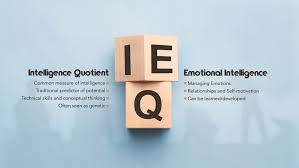
Emotional intelligence (EQ) refers to the ability to identify, understand, manage, and influence emotions in oneself and others. In the modern workplace, EQ has become a critical factor in driving organizational success. Leaders and teams with high emotional intelligence tend to perform better, communicate more effectively, and foster more innovative environments. This article explores the significance of EQ in the workplace, how it impacts performance and innovation, and strategies for developing and leveraging emotional intelligence to boost organizational outcomes.

1. Understanding Emotional Intelligence (EQ)
Key Keywords: emotional intelligence, self-awareness, empathy, emotional regulation
Emotional intelligence is typically divided into five core components, each playing a crucial role in how individuals manage and use emotions in the workplace.
The Five Components of Emotional Intelligence:
- Self-awareness: The ability to recognize and understand one’s own emotions and their impact on thoughts and behavior.
- Self-regulation: The capacity to control or redirect disruptive emotions and impulses, maintaining a calm and positive attitude even in stressful situations.
- Motivation: Being driven to achieve goals for reasons beyond external rewards, exhibiting persistence and resilience.
- Empathy: Understanding and being sensitive to the emotions of others, an essential component for building relationships and effective communication.
- Social skills: The ability to manage relationships, influence others, and build networks, crucial for collaboration and leadership.
2. The Role of EQ in Organizational Performance
Key Keywords: performance, leadership, teamwork, communication
A high level of emotional intelligence is directly linked to improved organizational performance. Employees with strong EQ are better equipped to handle interpersonal challenges, adapt to change, and work together toward common goals.
How EQ Influences Performance:
- Effective Leadership: Leaders with high EQ can inspire and motivate their teams, creating a positive and productive work environment. They are skilled in conflict resolution, making decisions that consider the emotional needs of the team.
- Improved Collaboration: Team members with high EQ are more adept at working together, resolving conflicts, and supporting each other. This leads to better collaboration and a stronger team dynamic.
- Better Communication: Emotional intelligence enables individuals to communicate more effectively, ensuring that messages are conveyed with the right tone and clarity, which reduces misunderstandings and enhances cooperation.
- Stress Management: Employees with strong emotional regulation skills handle stress better, reducing burnout and increasing overall workplace satisfaction.
3. The Link Between EQ and Innovation
Key Keywords: innovation, creativity, adaptability, problem-solving
In today’s fast-paced business world, innovation is essential for staying competitive. Emotional intelligence plays a significant role in fostering an innovative culture by promoting adaptability, creativity, and a willingness to take risks.
How EQ Fuels Innovation:
- Promoting Creative Thinking: High EQ helps individuals remain open-minded, embrace new ideas, and think creatively without being hindered by negative emotions such as fear of failure or criticism.
- Encouraging Risk-Taking: Leaders with strong emotional intelligence create a safe environment where employees feel comfortable taking calculated risks, knowing their ideas will be respected and considered.
- Adaptability to Change: Emotional intelligence enables individuals and teams to be more flexible and adaptable when faced with change. This is particularly important in industries that are constantly evolving, as it allows for quicker adaptation to new technologies or business models.
- Effective Problem-Solving: Teams with high EQ can collaborate effectively to solve complex problems. Empathy and social skills allow team members to understand diverse perspectives, leading to innovative solutions.
4. Emotional Intelligence and Leadership Effectiveness
Key Keywords: leadership, decision-making, trust, employee engagement
Effective leadership is often about understanding and responding to emotions—both your own and those of others. Leaders who demonstrate high EQ tend to build stronger relationships with their teams, make more balanced decisions, and inspire greater loyalty and performance.
How EQ Enhances Leadership Effectiveness:
- Building Trust: Leaders with high EQ build trust by being empathetic, transparent, and approachable. Trust is essential for high-performing teams, as it fosters open communication and collaboration.
- Informed Decision-Making: Emotional intelligence allows leaders to make decisions that take into account both the rational and emotional aspects of a situation, leading to more balanced and thoughtful choices.
- Conflict Resolution: Leaders who are emotionally intelligent can navigate conflicts with diplomacy, minimizing negative impacts on team morale and productivity.
- Employee Engagement: Leaders who understand the emotional needs of their employees can create a supportive work environment that enhances engagement and motivation. This results in higher job satisfaction and reduced turnover rates.

5. The Impact of EQ on Organizational Culture
Key Keywords: culture, work environment, employee well-being, trust
Organizational culture is shaped by the collective emotional intelligence of its members. A culture that promotes emotional intelligence is one that values empathy, understanding, and mutual respect, leading to a more harmonious and productive work environment.
How EQ Shapes Organizational Culture:
- Positive Work Environment: Organizations that emphasize EQ in their leadership and team interactions tend to have healthier work environments, where employees feel respected and supported.
- Employee Well-being: By fostering empathy and social skills, organizations can create a culture that prioritizes the mental and emotional well-being of employees, leading to lower levels of stress and burnout.
- Enhanced Collaboration: A culture that values emotional intelligence encourages open communication, where employees feel safe sharing their thoughts and ideas without fear of judgment.
- Fostering Inclusivity: Organizations with high emotional intelligence are better at embracing diversity and creating an inclusive workplace where all employees feel valued.
6. Developing Emotional Intelligence in the Workplace
Key Keywords: development, training, self-awareness, coaching
While some individuals may naturally possess high emotional intelligence, it is a skill that can be developed and enhanced over time. Organizations that prioritize EQ development can cultivate a more emotionally intelligent workforce, leading to improved performance and innovation.
Strategies for Developing EQ:
- Training Programs: Offer training and workshops that focus on improving emotional intelligence skills, such as active listening, empathy, and emotional regulation.
- Coaching and Mentorship: Provide coaching or mentorship opportunities to help individuals develop their emotional intelligence and apply it in the workplace.
- Self-Awareness Practices: Encourage employees to practice self-reflection and mindfulness techniques that increase self-awareness and emotional regulation.
- Feedback Mechanisms: Implement feedback systems that focus on emotional intelligence competencies, allowing individuals to receive constructive feedback on how to improve their EQ.
7. Measuring the Impact of EQ on Organizational Success
Key Keywords: measurement, performance, outcomes, ROI
The impact of emotional intelligence on organizational success can be measured in several ways, including improved employee performance, increased productivity, and enhanced innovation. Companies that prioritize EQ see tangible benefits that directly contribute to their success.
Metrics to Evaluate the Impact of EQ:
- Employee Engagement and Satisfaction: Assess employee engagement through surveys to measure how emotionally intelligent practices are affecting overall job satisfaction and morale.
- Performance Metrics: Track performance indicators such as productivity, efficiency, and quality of work to determine if higher EQ levels are correlating with better outcomes.
- Innovation and Creativity: Evaluate the frequency and success of new ideas, products, or processes that are the result of collaborative efforts and emotional intelligence-driven teamwork.
- Turnover and Retention Rates: Monitor employee retention rates to see if an emotionally intelligent culture is helping to reduce turnover and increase employee loyalty.
8. Real-Life Examples of EQ Driving Success
Key Keywords: case studies, success stories, best practices, role models
Many organizations have harnessed the power of emotional intelligence to fuel their success. These examples illustrate how EQ contributes to high performance and innovation.
Notable Examples:
- Google: Through its "Search Inside Yourself" program, Google has invested heavily in emotional intelligence training for its employees. This initiative has resulted in improved collaboration, innovation, and leadership across the company.
- Salesforce: Known for its emphasis on empathy and emotional intelligence, Salesforce has built a customer-centric culture that leads to high customer satisfaction and employee engagement.
- Zappos: Zappos has long been recognized for its commitment to creating a positive, emotionally intelligent workplace. The company attributes its success to its focus on empathy and creating meaningful connections with employees and customers alike.
9. Conclusion
Emotional intelligence is a critical factor in organizational success, fueling performance, innovation, and leadership effectiveness. Leaders and teams with high EQ are more likely to make better decisions, adapt to change, and collaborate effectively. By fostering a culture of emotional intelligence, organizations can enhance employee well-being, build stronger relationships, and drive long-term success. Developing and leveraging EQ in the workplace is not just beneficial for individual growth—it is a powerful tool for organizational transformation and competitive advantage.
Keywords Recap: emotional intelligence, performance, leadership, innovation, teamwork, empathy, culture, development, success





Comments 0
Sign in to join the conversation.
No comments yet. Be the first to say something.