


Table of Contents
- Plan Your Meals and Make a Shopping List
- Take Advantage of Sales and Discounts
- Shop Efficiently with Digital Tools and Apps
- Buy in Bulk and Store Food Properly
- Choose the Right Time and Store for Shopping
1. Plan Your Meals and Make a Shopping List
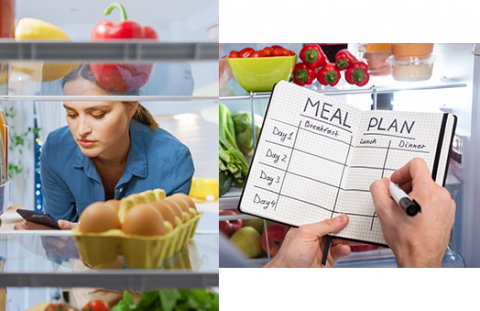
One of the best ways to save time and money at the grocery store is to plan your meals in advance. By deciding what you’ll eat for the week, you can create a precise shopping list that eliminates unnecessary purchases and impulse buys.
Start by checking what you already have at home. Take inventory of your pantry, fridge, and freezer before writing your list. This prevents duplicate purchases and ensures you use up perishable items before they go bad.
A well-organized shopping list should be categorized by sections (e.g., produce, dairy, frozen foods) to help you navigate the store efficiently. This way, you avoid running back and forth between aisles, saving valuable time.
2. Take Advantage of Sales and Discounts
Grocery stores regularly offer sales, but knowing how to leverage them effectively can lead to significant savings. Look for weekly ads, coupons, and digital discounts before heading to the store. Many supermarkets offer loyalty programs that provide exclusive deals and cash-back rewards.
However, be mindful not to buy unnecessary items just because they’re on sale. Instead, stock up on non-perishable essentials when prices are low. Items like rice, pasta, canned goods, and frozen vegetables often go on sale and can be stored for long periods.
Another great strategy is to compare unit prices rather than just looking at the total cost. Sometimes, buying a larger package is more cost-effective per unit, but this isn't always the case. Checking price per ounce or pound can help you make smarter purchasing decisions.

3. Shop Efficiently with Digital Tools and Apps
Technology has made grocery shopping easier than ever. Mobile apps and online platforms help you track sales, create lists, and even place orders for pickup or delivery.
Some of the best grocery shopping apps include:
- Flipp – Finds local sales and digital coupons.
- AnyList – Helps you create and share shopping lists.
- Ibotta – Provides cashback on everyday grocery items.
Using these tools can help you maximize savings while cutting down on time spent wandering through store aisles. Additionally, many grocery chains offer mobile payment and self-checkout options to speed up the checkout process.
If your schedule is tight, consider grocery delivery or curbside pickup services. While some may charge a small fee, the time saved often outweighs the cost, especially for busy professionals and parents.

4. Buy in Bulk and Store Food Properly
Buying in bulk can lead to significant savings, but only if done wisely. Staples like grains, beans, nuts, and frozen foods are great bulk purchases because they have a long shelf life. However, perishable items should only be bought in bulk if they can be consumed before spoiling.
Proper food storage is essential to prevent waste. Invest in airtight containers to extend the freshness of dry goods. For produce, store fruits and vegetables correctly—some last longer in the fridge, while others should be kept at room temperature.
Another great money-saving trick is freezing leftovers. Instead of letting food go to waste, portion out meals and store them in the freezer for future use. This reduces the need for last-minute takeout, which can be costly.
:max_bytes(150000):strip_icc()/Buying-Loose-Carrots-2000-f502a558cc664b3f9e471fc9c3722058.jpg)
5. Choose the Right Time and Store for Shopping
When and where you shop can make a huge difference in both cost and efficiency. Avoid peak hours (usually evenings and weekends) to get through the store faster and avoid long checkout lines. Shopping early in the morning or late at night often allows you to move through aisles without delays.
Different stores offer different pricing structures, so it’s worth exploring multiple options. Discount supermarkets, warehouse clubs (like Costco or Sam’s Club), and farmers' markets may offer better deals on specific items.
Additionally, some stores mark down perishable goods at the end of the day. If you don’t mind slightly imperfect produce or nearing-expiry products, you can score great deals by shopping at the right time.








Comments 0
Sign in to join the conversation.
No comments yet. Be the first to say something.