

Table of Contents
- Introduction
- What is Shared Hosting?
- What is VPS Hosting?
- What is Dedicated Hosting?
- Key Differences Between Shared, VPS, and Dedicated Hosting
- Which Hosting Type is Right for You?
- Conclusion
1. Introduction
Selecting the right hosting plan is essential for website owners, whether you're running a personal blog, an e-commerce store, or a high-traffic business site. With so many hosting options available, understanding the differences between shared, VPS, and dedicated hosting can help you make an informed decision.
Each hosting type has its own benefits and drawbacks, affecting website speed, security, and scalability. In this guide, we’ll break down these three hosting types and help you choose the best fit for your needs.
2. What is Shared Hosting?
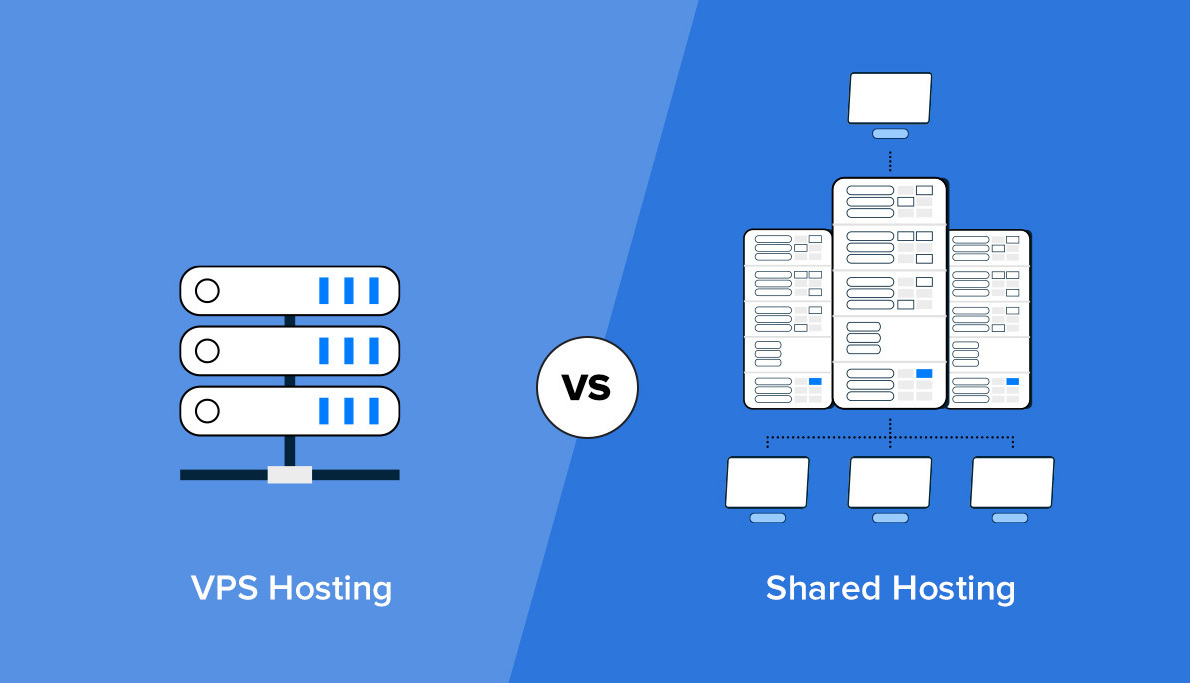
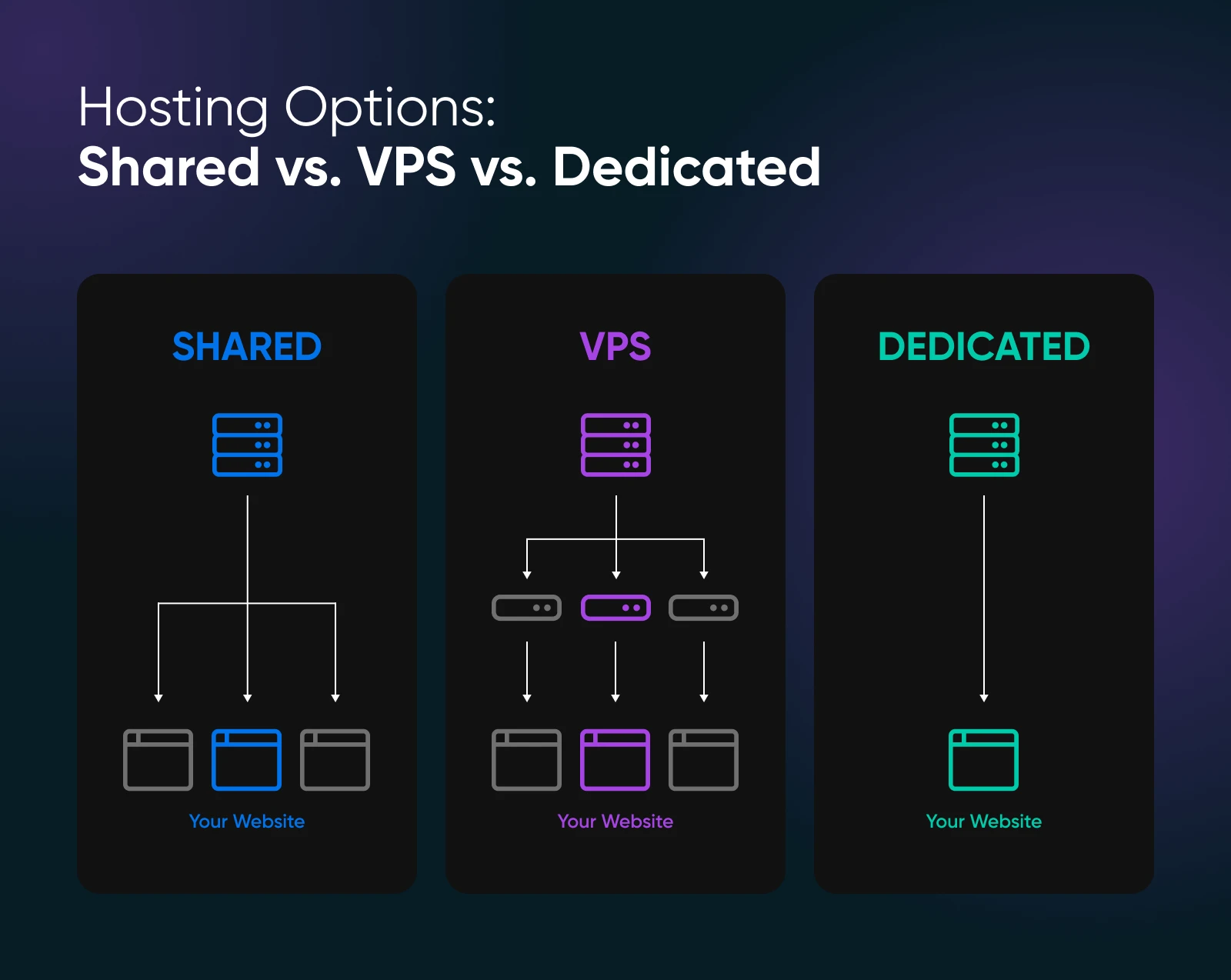
Shared hosting is the most basic and affordable hosting option. In this setup, multiple websites share the same server resources, including CPU, RAM, and bandwidth.
Pros of Shared Hosting:
- Cost-Effective: The most affordable option, perfect for small websites and beginners.
- Easy to Use: Typically includes a user-friendly control panel like cPanel.
- Managed Services: Hosting providers handle maintenance, updates, and security.
Cons of Shared Hosting:
- Limited Resources: Since resources are shared, performance may suffer during high traffic periods.
- Security Risks: Vulnerable to security breaches if another site on the server is compromised.
- Restricted Customization: You have little control over server configurations.
Best For: Personal blogs, small businesses, and beginners who need a low-cost hosting solution.

3. What is VPS Hosting?
Virtual Private Server (VPS) hosting offers a middle ground between shared and dedicated hosting. A single server is divided into multiple virtual environments, providing users with dedicated resources.
Pros of VPS Hosting:
- Better Performance: More server resources than shared hosting, reducing slowdowns.
- Enhanced Security: Your environment is isolated from other websites on the server.
- Scalability: Can easily upgrade resources as your website grows.
Cons of VPS Hosting:
- Higher Cost: More expensive than shared hosting but still budget-friendly compared to dedicated hosting.
- Technical Knowledge Required: Some VPS plans require server management skills.
Best For: Medium-sized businesses, growing websites, and developers who need more control.

4. What is Dedicated Hosting?
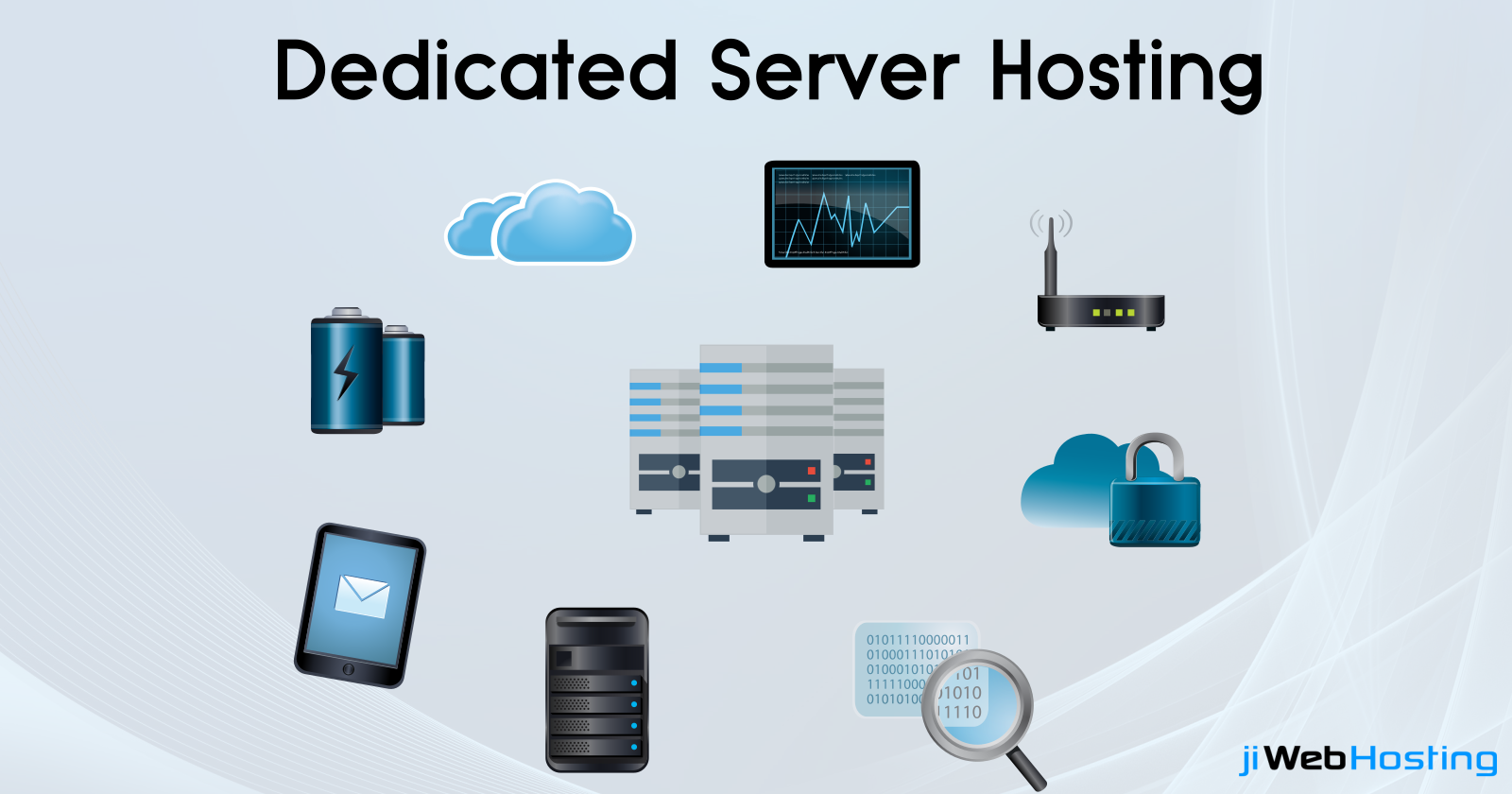
Dedicated hosting provides an entire server exclusively for your website. It delivers the highest level of performance, security, and customization.
Pros of Dedicated Hosting:
- Maximum Performance: No shared resources mean optimal speed and reliability.
- Full Control: Customize server settings, install any software, and configure security.
- Enhanced Security: Dedicated servers are more secure, making them ideal for handling sensitive data.
Cons of Dedicated Hosting:
- Expensive: The most costly hosting option.
- Technical Management: Requires advanced knowledge or hiring a server administrator.
Best For: Large businesses, high-traffic websites, and enterprises needing top-tier security and performance.
5. Key Differences Between Shared, VPS, and Dedicated Hosting
| Feature | Shared Hosting | VPS Hosting | Dedicated Hosting |
|---|---|---|---|
| Cost | Low | Medium | High |
| Performance | Basic | Good | Excellent |
| Security | Moderate | Strong | Very Strong |
| Scalability | Limited | High | Very High |
| Control | Minimal | Moderate | Full Control |
| Best For | Beginners, small sites | Growing businesses | High-traffic & enterprise websites |
6. Which Hosting Type is Right for You?
Your choice depends on your website’s size, traffic, and technical requirements:
- Choose Shared Hosting If: You have a small website, personal blog, or startup with low traffic.
- Choose VPS Hosting If: You need better performance and security but don’t require a dedicated server.
- Choose Dedicated Hosting If: You run a high-traffic site, need full server control, or handle sensitive data.
If you’re unsure, start with a VPS plan—it offers a balance of affordability, performance, and scalability.

7. Conclusion
Choosing between shared, VPS, and dedicated hosting depends on your budget, website size, and security needs. While shared hosting is great for beginners, VPS hosting is ideal for growing businesses, and dedicated hosting is the ultimate solution for high-traffic sites.
Before making a decision, assess your website’s current and future needs to ensure you select a hosting plan that supports growth, performance, and security.

You must be logged in to post a comment.