


In today's digital environment, blogging is more than simply sharing personal opinions and experiences. Bloggers need to understand SEO and use effective strategies to make their content visible to the right audience. A well-planned SEO approach can help a blog grow, attract relevant visitors, and build a strong online presence over time.
Using SEO techniques can improve your blog's chances of appearing in Google search results. It also helps you connect with interested readers, develop a loyal audience, and create opportunities for long-term growth.
H1. Understanding the Importance of SEO
Search Engine Optimization (SEO) helps improve a blog's visibility in search engine results. It makes your content easier for search engines to understand and helps potential readers discover your website when searching for relevant topics.
Why Does SEO Matter in Blogging?
It helps bring visitors through organic search results.
It opens opportunities for blog monetization.
It encourages you to develop and improve your skills.
It helps you gain experience in content creation and blogging.
H2. Keyword Research
Keyword research is an important starting point when planning blog content. It involves finding the search terms people use to look for information online. Selecting relevant keywords can help you create articles that match readers' interests and improve your blog's search visibility.
Tips for Effective Keyword Research
Explore keyword research tools to find relevant search terms.
Include specific long-tail keywords in your content.
Study competing blogs to identify useful keyword ideas.
H3. High-Quality Content and a User-Friendly Blog
Creating valuable content is essential for blogging success. Your articles should provide useful information, follow appropriate SEO practices, and offer a comfortable reading experience. Even good SEO practices may not deliver strong results if the content does not meet readers' expectations.
Key Elements of High-Quality Content
Content should attract readers who are genuinely interested in the topic.
Valuable articles can support future monetization opportunities.
Information should be easy to read.
Language should be simple and understandable.
Ideas and explanations should be presented clearly.
Articles should provide sufficient detail without unnecessary information.
Relevant multimedia elements should be included.
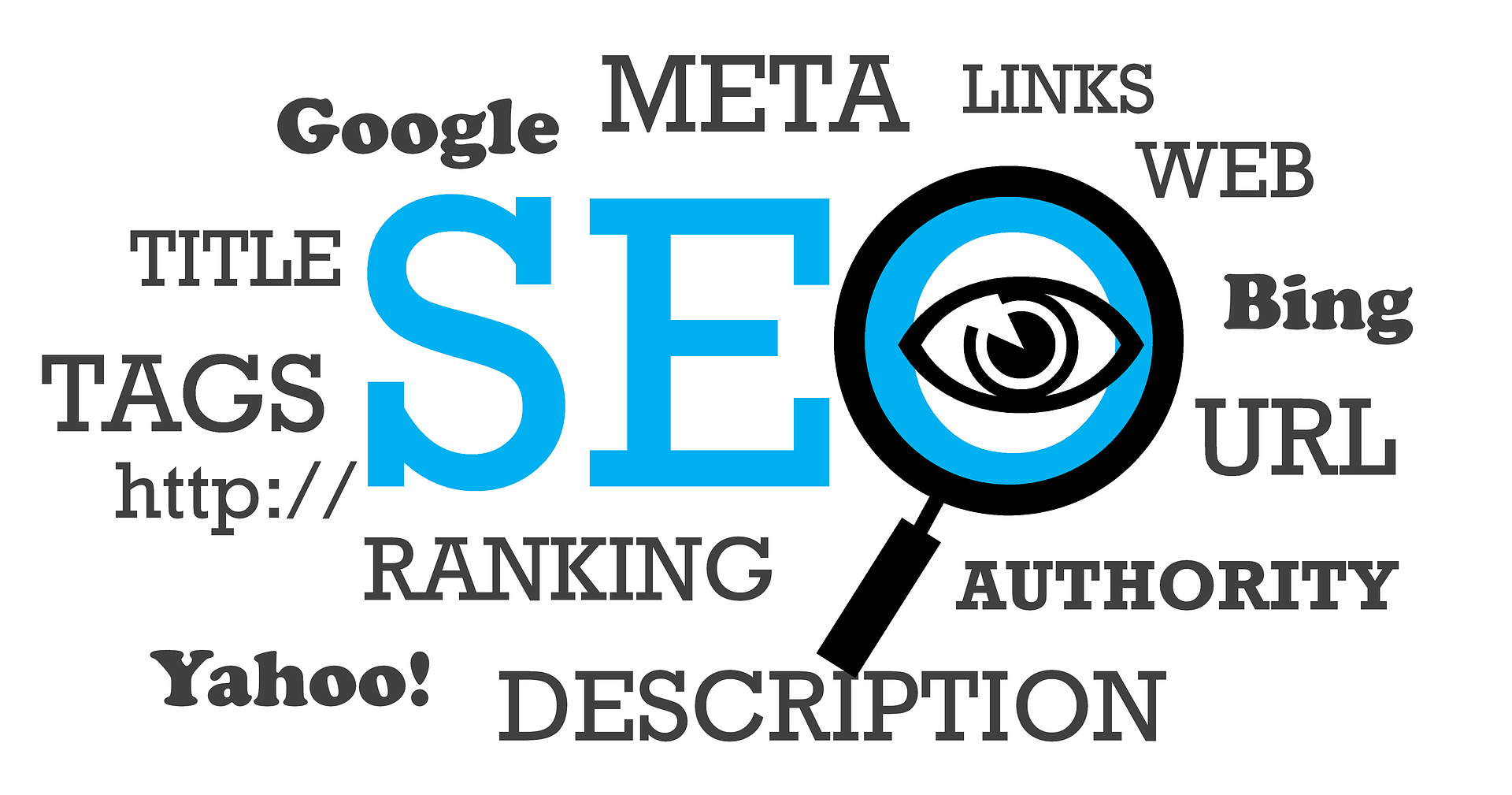
H4. On-Page SEO
On-page SEO focuses on improving individual blog posts and pages so that search engines can understand their content more effectively.
Important elements include:
Titles: Write clear and relevant page titles.
Meta Descriptions: Provide a short summary of each page.
Tags: Organize content using relevant labels.
Headings: Use H1, H2, and H3 headings to structure articles.
Image Optimization: Add descriptive image names and alt text.
SEO-Friendly URLs: Use simple and meaningful web addresses.
Internal Links: Connect related articles within your blog.
External Links: Reference relevant and reliable websites.
H5. Technical SEO
Technical SEO focuses on improving the technical performance and accessibility of your website so that visitors and search engines can use it effectively.
Important elements include:
Mobile-Friendly Design: Make sure your blog works properly on mobile devices.
Fast Loading Speed: Improve page loading time for a better browsing experience.
Website Security: Protect your website by using a secure HTTPS connection.
Error Fixing: Identify and resolve technical problems that may affect your website.
XML Sitemap: Maintain an XML sitemap to help search engines discover your blog pages.
,6: link building techniques
Backlinks constitute hyperlinks established by external websites to channel traffic toward your blog; acquiring such connections from pertinent and authoritative domains can substantially enhance your site's credibility and bolster its search engine optimization efficacy.
Effective Link-Building Methods
To amplify the reach of your articles, disseminate them across a diverse array of digital platforms; this strategic distribution not only heightens their visibility but also cultivates opportunities to secure valuable backlinks.
Guest posting entails crafting original content for external websites while strategically incorporating hyperlinks to direct readers to your own blog.
The Skyscraper Technique involves conducting thorough research on high-performing articles, creating content that surpasses them in utility and comprehensiveness, and subsequently reaching out to websites that have already linked to comparable resources.
Implementing internal linking strategies by interconnecting related articles across your website enhances navigability and facilitates the seamless exploration of information for your audience.
H7: Improving the User Experience
An engaging user experience fosters a sense of comfort for visitors navigating your blog, while aligning with Google's mandate to deliver pertinent and valuable search results; consequently, designing a site that prioritizes usability significantly bolsters your broader search engine optimization strategy.
Ways to Improve User Experience
Simple Website Design: Use a neat and well-organized layout that makes your content easy to read.
Ensure that menus and website sections are organized in a manner that enables visitors to locate the requisite information with ease and efficiency.
Integrate compelling interactive elements designed to foster active reader participation and deepen their engagement with your digital platform.
H8:Tracking and Enhancing SEO Performance
Search engine optimization demands sustained vigilance rather than a one-time intervention; consistently monitoring your site's performance provides critical insights into successful strategies and identifies specific areas requiring enhancement.
Important SEO Metrics to Track
Track the volume of visitors who arrive via unpaid search result listings.
Monitor the standings of your designated keywords within search engine result pages to evaluate their current performance.
Examine the inbound hyperlinks directed to your website from external sources.
Click-Through Rate (CTR) quantifies the frequency with which users interact with a website following its appearance in search engine results.

H9:Keeping Up with SEO Development
The landscape of search engine optimization is in a state of perpetual flux, driven by the continuous evolution of underlying technologies and the strategic adjustments made by search engines.
Consequently, bloggers must remain rigorously informed regarding these shifting paradigms to effectively uncover emerging keyword opportunities and recalibrate their methodologies in alignment with prevailing search trends
Emerging SEO Approaches
- AI-Based SEO: Artificial intelligence tools can assist with keyword discovery, content analysis, and website optimization.
- Optimizing video discoverability by strategically crafting pertinent titles, descriptions, and keywords enables content to penetrate broader audience segments.
H10: Conclusion
Growing a blog successfully takes time, planning, and consistent effort. Applying the right SEO techniques can help bloggers make their websites more discoverable, connect with interested readers, and improve their online reach. Strategies such as keyword selection, useful content creation, backlink development, and website optimization all contribute to building a stronger blog.
As search engine trends continue to change, bloggers should keep learning and improving their approaches. Focusing on readers' needs, maintaining content quality, and following updated SEO practices can help create a reliable online platform and support steady growth in the long run.






Comments 0
Sign in to join the conversation.
No comments yet. Be the first to say something.