

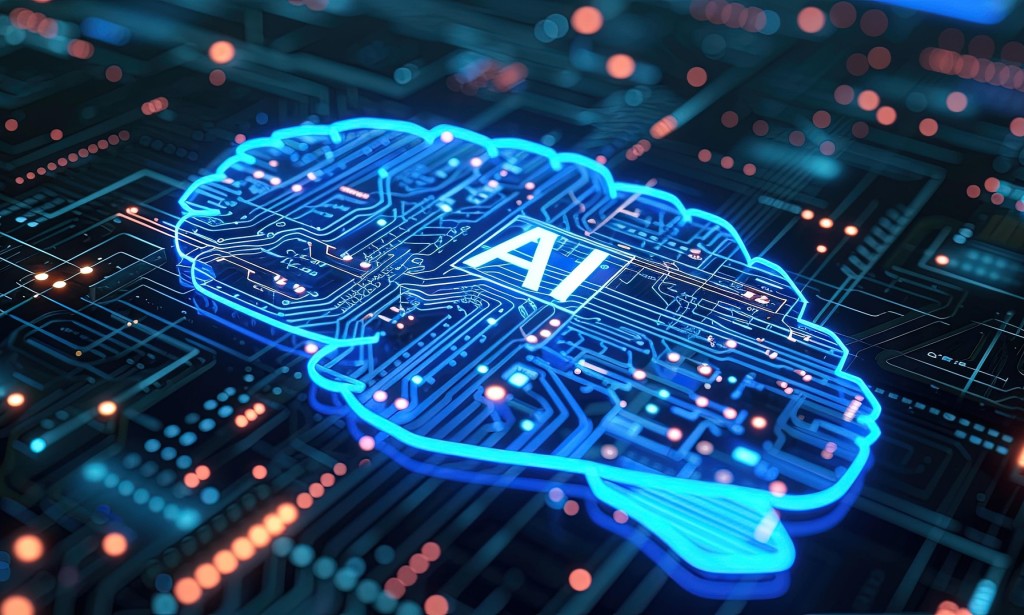
1. How AI Is Transforming Creativity and Digital Content Creation
Artificial Intelligence (AI) has become an important part of modern life, changing how people work, communicate, learn, and express their creativity. Tasks that once required professional skills, expensive software, and hours of effort can now be completed more efficiently with the help of AI-powered applications. From editing videos and designing graphics to creating social media posts, writing captions, and developing YouTube thumbnails, AI offers new opportunities for digital creativity. It allows individuals to explore different ideas, experiment with creative styles, and turn their imagination into practical results.
AI works by processing information, identifying patterns, and generating results based on data and user instructions. For example, ChatGPT can help users develop ideas, translate text into different languages, improve their English, and organise information. Similarly, Canva AI allows beginners to create presentations, promotional materials, and attractive social media graphics without advanced design knowledge. These applications make creative activities more accessible and help individuals save time while improving productivity.
2. The Role of AI in Graphic Design and Digital Art
Graphic design is another area where artificial intelligence is creating significant opportunities. Tools such as Midjourney, DALL-E, and Adobe Firefly can transform written descriptions into digital images. Users can describe a mountain landscape, a beautiful sunset, a promotional poster, or a fictional character, and AI can generate visual concepts based on their instructions.
Professional designers can use these tools to explore different layouts, colours, backgrounds, and design concepts before producing their final work. AI-generated ideas can serve as inspiration, allowing designers to experiment with different creative approaches. However, successful graphic design still requires human imagination, artistic judgment, and an understanding of visual communication. AI can make the design process faster, but the designer remains responsible for the quality and originality of the final result.
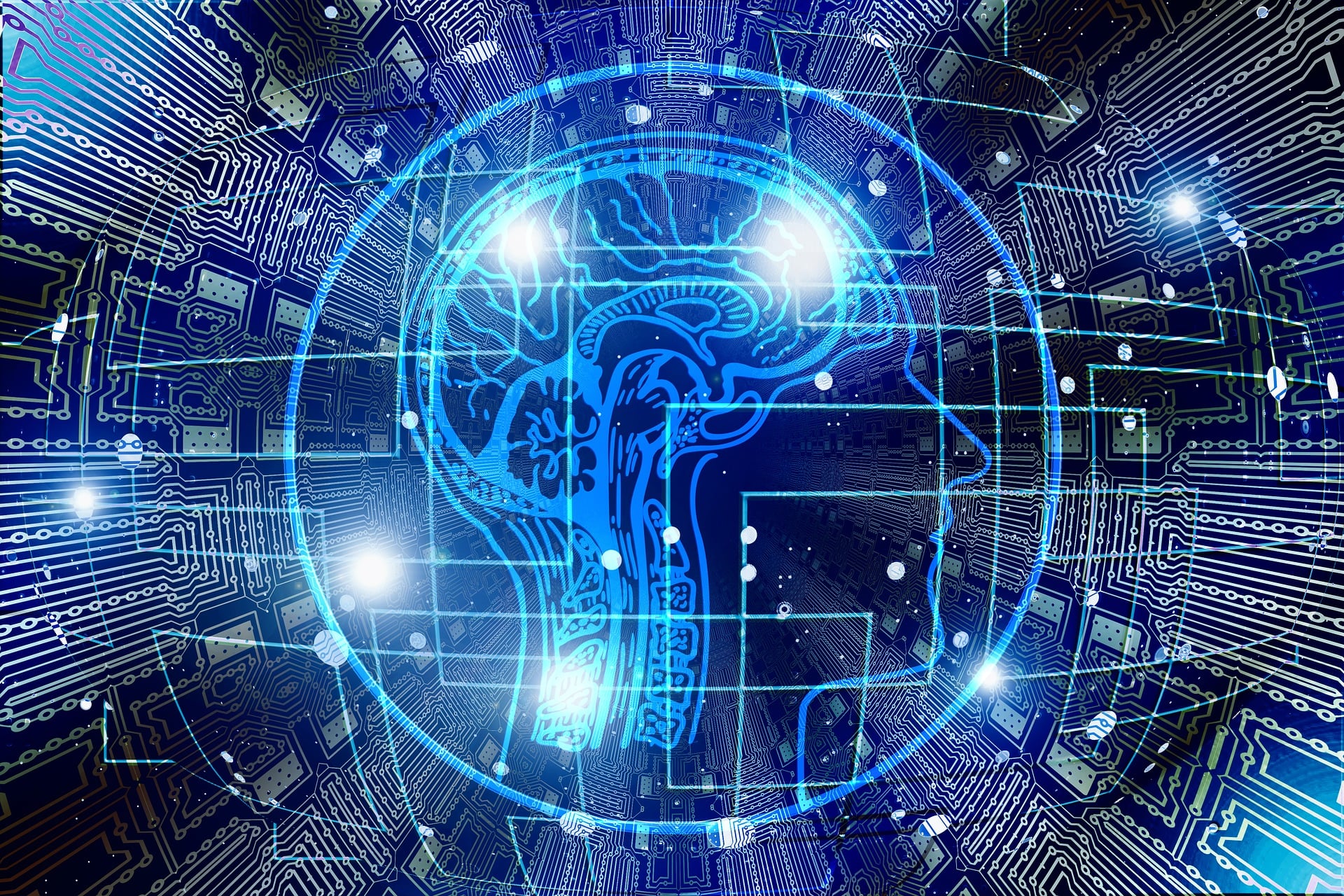
3. How AI Is Changing Blogging and Content Writing
Artificial intelligence has introduced new possibilities for bloggers, writers, students, and digital content creators. Applications such as ChatGPT, Copy.ai, and Meta AI can help users brainstorm topics, organise information, improve grammar, and develop clear article structures. Writers can also use AI to prepare outlines for essays, stories, applications, letters, video scripts, and blog posts.
For website owners, AI can provide suggestions for SEO-friendly titles, headings, keywords, and content organisation. These features can help bloggers understand what readers may be searching for and improve the readability of their articles. However, AI-generated content should always be reviewed before publication. Writers should verify facts, remove unnecessary information, include relevant examples, and add their own knowledge and experiences. Originality, accuracy, and a clear writing style are essential for building reader trust and producing valuable website content.
4. The Role of AI in Fashion and Personal Style
Artificial intelligence is also influencing the fashion industry by helping people discover new styles and explore creative clothing ideas. Users can experiment with different colours, outfits, accessories, and fashion combinations through AI-powered applications. These tools can provide inspiration for everyday clothing, special occasions, and personal styling.
Applications such as Fotor offer AI-powered image editing and creative design features that can support fashion-related projects. Fashion brands, boutiques, and social media influencers can use AI to develop promotional images, improve product presentations, and create engaging marketing campaigns. AI can also help businesses analyse customer preferences and identify emerging fashion trends. Although technology can suggest attractive combinations, personal taste, comfort, and individual expression remain important when choosing a style.
5. How Artificial Intelligence Is Becoming Part of Everyday Life
Many people use artificial intelligence without even realising it. Modern smartphones include AI-powered features that help users improve photographs, adjust lighting, remove unwanted objects, blur backgrounds, and apply creative filters. These features allow ordinary users to produce better-quality images without professional photography equipment.
Voice assistants such as Amazon Alexa and Google Assistant use AI to respond to commands, provide information, set reminders, and support everyday activities. Social media platforms such as Instagram, Facebook, YouTube, and TikTok use recommendation systems to suggest videos, posts, and other content according to users' interests and interactions.
AI is also useful for organising daily tasks and improving productivity. People can use AI applications to prepare schedules, generate ideas, manage projects, and find information more efficiently. These examples demonstrate how artificial intelligence has become connected to different aspects of modern lifestyles.
6. The Benefits of AI in Education and Personal Development
Education is another important field where AI is helping students and teachers access information more conveniently. Students can use AI tools to understand difficult concepts, practise languages, prepare presentations, and organise their study materials. Instead of searching through multiple resources, learners can ask questions and receive explanations that help them understand different subjects.
AI can also support personal development by suggesting learning resources and helping individuals explore career opportunities. People interested in digital marketing, graphic design, programming, or content writing can use AI to identify useful skills and create learning plans. In addition, some AI-powered lifestyle applications can suggest exercise routines, meal-planning ideas, and daily schedules. However, users should verify important information and make independent decisions rather than depending entirely on automated recommendations. AI works best as a learning assistant that supports human understanding and independent thinking.
7. Can AI Replace Human Creativity, and What Does the Future Hold?
One of the biggest questions about artificial intelligence is whether it can replace human creativity. AI can generate images, suggest ideas, write content, and create music, but human creativity involves emotions, personal experiences, cultural understanding, imagination, and individual perspectives. A camera does not replace a photographer; instead, it provides a tool that helps the photographer express a creative vision. Similarly, AI can support artists, writers, designers, and other professionals without removing the importance of their skills.
Looking towards the future, AI applications may become more personalised and capable of adapting to individual preferences, communication styles, and creative interests. Future systems could provide customised suggestions for fashion, music, storytelling, digital artwork, and content creation. They may also become better at recognising patterns in the way people express their ideas. However, understanding genuine human emotions and personal experiences remains a complex challenge.
Ultimately, the future of creativity will depend on how people combine human intelligence with artificial intelligence. Technology can provide useful tools, but imagination, independent thinking, and personal expression will continue to play an essential role. People who learn to use AI responsibly while developing their own abilities will be better prepared for the opportunities of the digital future.







Comments 0
Sign in to join the conversation.
No comments yet. Be the first to say something.