


In today’s competitive market, connecting with the right audience is crucial for success. Whether you're launching a product, promoting a service, or building a brand, reaching your ideal audience requires a clear and effective communication strategy. Tailoring your message to the right people not only maximizes your marketing efforts but also enhances engagement, builds trust, and drives long-term loyalty. This article explores effective communication strategies for targeting the right people and ensuring your message resonates with your ideal audience.
1. Understanding Your Ideal Audience
Key Keywords: target audience, demographics, audience segmentation, buyer persona, market research
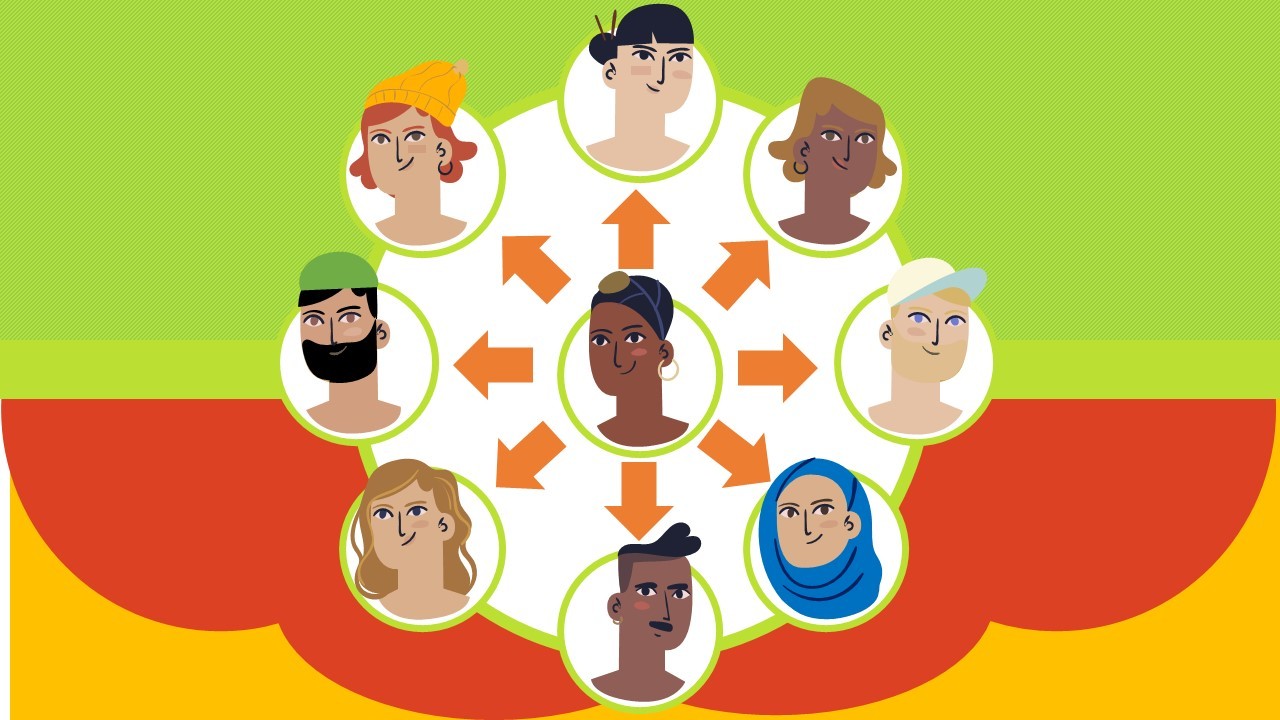
Before diving into communication strategies, it's essential to clearly define your ideal audience. Understanding who they are, what they need, and where they spend their time is the first step in crafting effective communication. Conducting thorough market research, audience segmentation, and creating detailed buyer personas will help you pinpoint exactly who your ideal audience is.
Steps to Understand Your Ideal Audience:
- Conduct Market Research: Utilize surveys, focus groups, social media insights, and industry reports to understand your audience’s behavior, preferences, and pain points.
- Create Buyer Personas: Develop detailed profiles of your ideal customers, including demographics (age, gender, location), psychographics (values, interests, lifestyle), and behavioral data (purchase history, buying habits).
- Segment Your Audience: Group your audience into specific segments based on shared characteristics. This allows you to create tailored messaging that speaks directly to each group’s unique needs.
- Analyze Competitors: Study your competitors to understand who they are targeting and how they communicate. This can provide valuable insights into gaps in the market or opportunities for differentiation.
2. Crafting a Compelling Message
Key Keywords: messaging, value proposition, storytelling, emotional appeal, relevance
Once you understand your audience, the next step is to craft a compelling message that resonates with them. Your message should address their pain points, highlight your value proposition, and evoke an emotional connection. A clear and focused message will help you stand out and capture attention.
Key Elements of a Compelling Message:
- Value Proposition: Clearly communicate the unique benefits your product or service offers and how it solves your audience’s problems or improves their lives.
- Storytelling: People connect with stories, so use storytelling techniques to make your message more relatable and engaging. Share customer success stories, personal anecdotes, or case studies to highlight the impact of your offering.
- Emotional Appeal: Emotions drive decision-making. Craft a message that speaks to your audience’s emotions, whether it’s through excitement, empathy, or relief. Make your audience feel understood and supported.
- Relevance: Ensure that your message speaks to your audience’s current needs and desires. Stay relevant to their evolving challenges and interests to maintain engagement.
3. Choosing the Right Channels for Communication
Key Keywords: communication channels, social media, email marketing, paid advertising, content marketing
Reaching your ideal audience isn’t just about what you say, but also how and where you say it. Choosing the right communication channels is key to ensuring your message reaches the right people. Different audiences engage with different platforms, so it’s essential to select channels that align with your target demographic.
Popular Communication Channels for Reaching Your Audience:
- Social Media: Platforms like Facebook, Instagram, Twitter, LinkedIn, and TikTok provide a wealth of targeting options to connect with specific audiences. Consider where your audience is most active and what types of content they engage with.
- Email Marketing: Email remains one of the most effective communication channels. Build a segmented email list and send personalized messages that cater to specific audience groups.
- Content Marketing: Blogs, videos, and podcasts are powerful tools for educating and engaging your audience. Create high-quality content that answers your audience’s questions, provides value, and establishes your brand as an authority.
- Paid Advertising: Utilize paid media such as Google Ads, Facebook Ads, and display ads to reach specific audience segments. Use targeting options based on demographics, interests, behaviors, and location to ensure your message is seen by the right people.
4. Personalizing Your Communication
Key Keywords: personalization, targeted messaging, customer experience, dynamic content, one-to-one communication
Personalization is a critical strategy in effective communication. People want to feel like they are being spoken to directly, rather than receiving generic or mass-market messaging. Tailor your communication to address the individual needs, interests, and preferences of your audience.
Ways to Personalize Communication:
- Segmented Campaigns: Divide your audience into smaller, more specific groups based on shared characteristics (e.g., age, location, interests). This allows you to create highly targeted campaigns.
- Dynamic Content: Use dynamic content in emails or websites to display different messages or offers based on user behavior, such as browsing history or past purchases.
- Behavioral Targeting: Track your audience’s interactions with your brand and tailor your communication based on their behavior. For example, follow-up emails or retargeting ads can be personalized based on previous website visits or product views.
- Customer Experience: Create an experience that feels tailored to each customer. This can include personalized recommendations, tailored product offerings, or custom solutions that align with their specific needs.

5. Engaging Your Audience with Interactive Content
Key Keywords: interactive content, engagement, polls, quizzes, surveys, gamification
To truly connect with your ideal audience, you need to engage them actively. Interactive content encourages participation, builds a relationship, and strengthens the connection between your brand and your audience. It also provides valuable insights into their preferences and behaviors.
Types of Interactive Content to Engage Your Audience:
- Polls and Surveys: Ask your audience for feedback on products, services, or topics of interest. Polls and surveys provide real-time data while engaging your audience in a two-way conversation.
- Quizzes: Quizzes can be fun and informative, helping users discover something new about themselves or find products that fit their needs. This type of content encourages participation and can help you gather data about your audience.
- Contests and Giveaways: Organize contests or giveaways that encourage users to engage with your brand. This can increase brand awareness and help grow your audience base.
- Gamification: Incorporating game-like elements into your content (e.g., rewards, levels, points) can make the experience more enjoyable and encourage users to interact more deeply with your brand.
6. Measuring the Effectiveness of Your Communication Strategy
Key Keywords: analytics, KPIs, ROI, feedback, conversion rates
Effective communication is a continual process of testing, measuring, and optimizing. To ensure your message is resonating with your audience, you need to track key performance indicators (KPIs) and analyze results to refine your strategies.
Ways to Measure Communication Effectiveness:
- Monitor Engagement: Track engagement metrics such as likes, shares, comments, click-through rates, and time spent on content. These metrics show how well your audience is responding to your message.
- Conversion Rates: Measure how many people are taking the desired actions (e.g., making a purchase, signing up for a newsletter, or downloading a resource) as a result of your communication efforts.
- Customer Feedback: Collect feedback through surveys or direct interactions with your audience. Understanding their satisfaction and pain points helps you refine your messaging.
- Return on Investment (ROI): Analyze the ROI of your communication campaigns. By comparing the costs of your efforts with the revenue or outcomes they generate, you can assess whether your communication strategy is delivering the desired results.
7. Adjusting Your Strategy Based on Insights
Key Keywords: optimization, continuous improvement, A/B testing, feedback loops, audience adaptation
The key to effective communication is flexibility. As you gather data and insights from your efforts, use that information to continuously optimize your strategy. Adjust your messaging, channels, and tactics to stay aligned with your audience’s needs and preferences.
Ways to Adjust Your Strategy:
- A/B Testing: Test different versions of your messaging, content, or campaigns to determine which resonates best with your audience. Use data-driven insights to make informed adjustments.
- Refine Targeting: Based on the insights you gather, refine your audience segmentation and targeting. Shift your focus to the segments that are engaging most with your message.
- Iterative Feedback: Establish feedback loops with your audience. Use their input to continually improve your messaging and ensure it stays relevant to their evolving needs.

8. Conclusion
Reaching your ideal audience is a multifaceted process that requires a deep understanding of who they are, what they need, and how they communicate. By crafting a compelling message, choosing the right channels, personalizing communication, and engaging with interactive content, you can create a connection that drives long-term loyalty and success. Continuously measuring, optimizing, and adjusting your strategies based on audience insights ensures that your communication remains effective and resonates with the right people.





Comments 0
Sign in to join the conversation.
No comments yet. Be the first to say something.