

Introduction
Have you ever wondered how the human mind works, why people have different personalities, or how thoughts and emotions influence human behavior? These questions are connected to a fascinating field of study known as psychology.
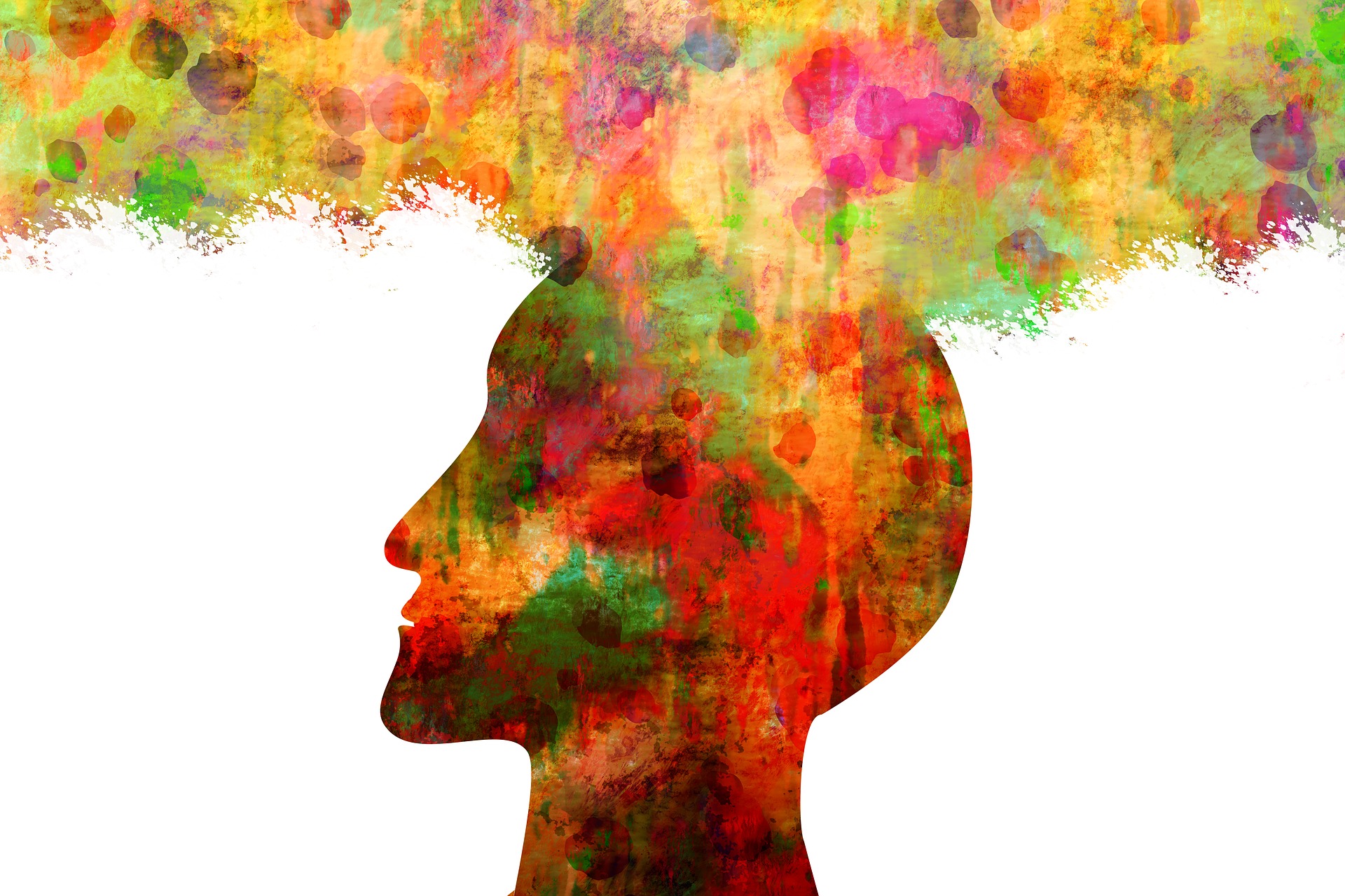
Psychology is the scientific study of the human mind and behavior. It helps us understand how people think, feel, learn, remember information, make decisions, and interact with others. It also explores how our experiences, environment, emotions, and biological factors influence the way we behave.
Psychology is not only about understanding mental health problems. It is also about understanding ourselves, improving our thinking skills, developing healthy habits, and learning more about human behavior.
Today, psychology is an important subject in education, healthcare, business, communication, relationships, and many other areas of life.
What Is Psychology?
Psychology is a scientific discipline that studies mental processes and human behavior. The word psychology comes from two Greek words: "Psyche," meaning mind or soul, and "Logos," meaning study.
Psychologists use scientific methods, research, observation, and experiments to understand how the mind works. They study different mental processes, including:
Thinking and reasoning
Learning and memory
Emotions and feelings
Motivation and decision-making
Personality and individual differences
Human development and social behavior
The main purpose of psychology is to describe, explain, predict, and sometimes influence behavior in helpful and ethical ways.
History of Psychology
The study of the human mind has existed for thousands of years. Ancient philosophers, including Plato and Aristotle, explored questions about thoughts, knowledge, memory, and human nature.
However, psychology gradually developed into a scientific discipline during the nineteenth century.
In 1879, Wilhelm Wundt established the first experimental psychology laboratory in Leipzig, Germany. This event is widely considered an important milestone in the development of modern psychology.
Several influential thinkers helped shape the subject:
Wilhelm Wundt: Known for establishing experimental psychology as a scientific field.
Sigmund Freud: Developed psychoanalysis and explored the influence of unconscious processes.
William James: Made important contributions to functionalism and the study of consciousness.
Ivan Pavlov: Conducted important research on classical conditioning and learning.
B. F. Skinner: Studied behavior and the effects of rewards and consequences.
Jean Piaget: Studied cognitive development in children.
Today, psychology combines scientific research with knowledge from biology, neuroscience, education, and social sciences.
Understanding the Human Mind
The human mind is responsible for many mental activities, including thinking, understanding, remembering, imagining, and making decisions.
It allows people to process information, recognize patterns, solve problems, and respond to their surroundings.
Although the mind and brain are closely connected, they are not exactly the same thing. The brain is a physical organ inside the skull, while the mind refers to mental processes and experiences associated with brain activity.
Psychologists study how different mental processes work together and how they influence human behavior.
The Human Brain and Psychology
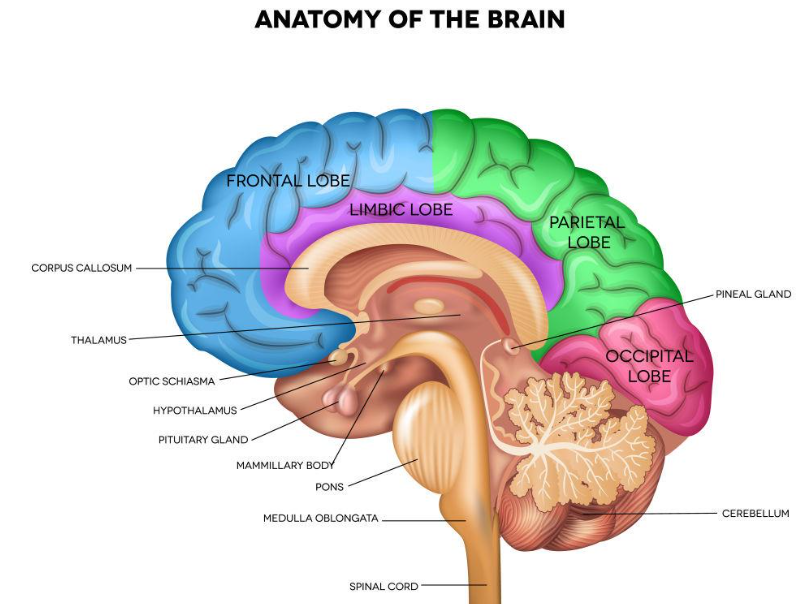
The brain is one of the most complex organs in the human body. It controls and coordinates many activities, including movement, memory, emotions, attention, and communication.
Different brain regions have specialized functions, although they work together as part of connected networks.
Some important brain structures include:
1. Cerebrum
The cerebrum is the largest part of the brain. It is involved in thinking, language, memory, sensory processing, and voluntary movement.
2. Cerebellum
The cerebellum helps coordinate movement, balance, posture, and motor learning.
3. Brainstem
The brainstem controls essential functions such as breathing, heart rate, and sleep-wake regulation.
4. Amygdala
The amygdala is involved in processing emotions, particularly emotional learning and responses to threats.
5. Hippocampus
The hippocampus plays an important role in forming new memories and supporting learning.
Understanding the brain helps psychologists explore the biological foundations of thoughts, emotions, and behavior.
Major Types of Psychology
Psychology has several branches. Each branch focuses on a different aspect of the human mind and behavior.
1. Clinical Psychology
Clinical psychology focuses on assessing, understanding, and helping people with psychological difficulties and mental health conditions. Clinical psychologists may provide psychological assessment and evidence-based therapy.
2. Cognitive Psychology
Cognitive psychology studies mental processes such as memory, attention, language, learning, problem-solving, and decision-making.
3. Developmental Psychology
Developmental psychology examines how people change throughout their lives, from infancy and childhood to adulthood and old age.
4. Social Psychology
Social psychology explores how people's thoughts, feelings, and behavior are influenced by other people and social environments.
5. Educational Psychology
Educational psychology studies how people learn and how teaching methods, motivation, memory, and learning environments affect education.
6. Biological Psychology
Biological psychology investigates the relationship between the brain, nervous system, hormones, genetics, and behavior.
7. Personality Psychology
Personality psychology studies individual differences, personality traits, and the development of personal characteristics.
8. Industrial and Organizational Psychology
This branch applies psychological knowledge to workplaces. It studies employee motivation, teamwork, leadership, job satisfaction, and workplace performance.
Human Emotions and Feelings
Emotions are an important part of human psychology. They influence thoughts, decisions, communication, and behavior.
Some common emotions include:
Happiness
Sadness
Anger
Fear
Surprise
Disgust
Love
Emotions are influenced by brain activity, biological processes, personal experiences, and environmental factors.
Psychology studies how emotions develop, how people recognize them, and how emotional regulation can support healthy mental functioning.
Emotional intelligence is another important concept. It refers to the ability to recognize, understand, and manage emotions while also understanding the emotions of other people.

Memory and Learning
Memory is the mental process through which information is encoded, stored, and retrieved. It allows people to remember knowledge, experiences, and previously learned information.
Psychologists commonly discuss three major processes of memory:
1. Encoding: The process of receiving and transforming information into a form that can be stored.
2. Storage: The process of maintaining information over time.
3. Retrieval: The process of accessing stored information when needed.
Learning is the process of acquiring knowledge, skills, or behaviors through experience, study, and practice.
Attention, repetition, sleep, motivation, and understanding can all influence learning and memory.
Reading books, learning new subjects, and practicing problem-solving can provide opportunities to develop knowledge and thinking skills.
Personality and Human Behavior
Personality refers to the relatively consistent patterns of thoughts, feelings, and behaviors that make individuals different from one another.
Psychologists study personality to understand why people have different characteristics, preferences, attitudes, and ways of responding to situations.
One widely researched personality framework is the Big Five personality model. It includes five major dimensions:
Openness to Experience
Conscientiousness
Extraversion
Agreeableness
Neuroticism
Personality is influenced by a combination of genetic, biological, environmental, and social factors. It can also change and develop throughout life.
Mental Health and Psychology
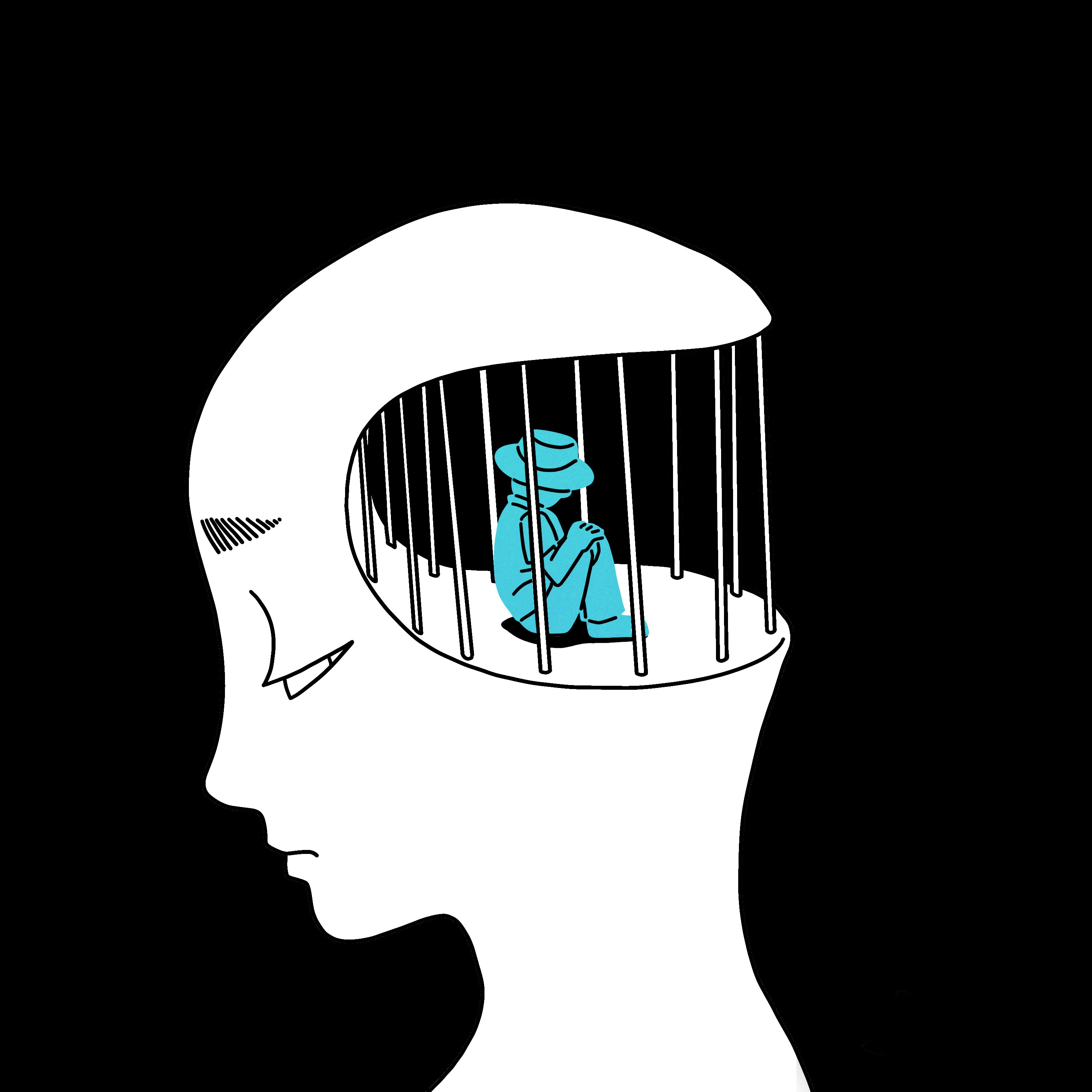
Mental health is an important part of overall well-being. It includes emotional, psychological, and social well-being.
It influences how people think, feel, manage stress, build relationships, and make decisions.
Psychology helps increase awareness about mental health conditions, including:
Anxiety disorders
Depression
Phobias
Obsessive-compulsive disorder
Post-traumatic stress disorder
Eating disorders
These conditions can affect people differently. Professional assessment is important because only qualified healthcare professionals can diagnose mental health conditions.
Psychological support, evidence-based therapy, medical care when needed, and healthy routines can contribute to mental well-being.
How Psychology Can Be Used in Everyday Life
Psychology has applications in many areas of everyday life. Understanding psychological concepts can help people develop better awareness of their thoughts, emotions, and behavior.
Some important applications include:
Understanding human behavior and personality.
Improving communication and listening skills.
Developing emotional awareness.
Understanding learning and memory.
Building healthy habits.
Improving decision-making skills.
Understanding motivation and goal-setting.
Recognizing the importance of mental health.
Psychology does not provide a simple answer to every human problem. However, it offers scientific knowledge that can help people understand themselves and others more clearly.
Recommended Books to Understand Psychology and the Human Mind
Reading books is a valuable way to explore psychology, learn about the brain, and develop a deeper understanding of human thinking and behavior.
Here are some recommended books for beginners and readers interested in psychology.
1. Thinking, Fast and Slow – Daniel Kahneman
This book explores two different systems of thinking. It explains how people make decisions, use mental shortcuts, and sometimes make judgment errors.
It is especially useful for readers interested in decision-making, critical thinking, and cognitive psychology.
2. The Psychology Book – DK
This illustrated book introduces major psychological theories, important psychologists, and key concepts in an easy-to-follow format.
It is a good starting point for beginners who want an overview of psychology.
3. Mindset: The New Psychology of Success – Carol S. Dweck
This book explores the difference between a fixed mindset and a growth mindset. It discusses how beliefs about abilities can influence learning, motivation, and personal development.
It is useful for readers interested in education and self-development.
4. The Man Who Mistook His Wife for a Hat – Oliver Sacks
This book presents neurological case studies that explore unusual experiences involving memory, perception, identity, and brain function.
It offers an interesting introduction to the relationship between the brain and human experience.
5. The Brain That Changes Itself – Norman Doidge
This book explores neuroplasticity, the brain's ability to change and reorganize through experience and learning.
It introduces readers to research about how the brain can adapt over time.
6. How to Win Friends and Influence People – Dale Carnegie
This classic book discusses communication, interpersonal relationships, and social skills.
It is not a scientific psychology textbook, but it offers practical ideas about communication and understanding other people.

Can Reading Books Make Your Mind More Active?
Reading can be a useful mental activity because it encourages concentration, imagination, vocabulary development, and the processing of new information.
Books about psychology can also introduce readers to new ideas, theories, and ways of understanding human behavior.
However, reading a book does not automatically increase intelligence or guarantee better memory. Mental development depends on several factors, including regular learning, practice, sleep, physical health, and active engagement with information.
To make reading more effective, readers can take notes, ask questions, summarize chapters, and discuss what they have learned.
The Importance of Psychology in Modern Society
Psychology has become increasingly important in modern society because it helps explain many aspects of human behavior and mental functioning.
It contributes to education by improving our understanding of learning. It supports healthcare through psychological assessment and treatment. It also helps organizations understand workplace behavior, teamwork, and employee motivation.
In addition, psychology contributes to research in neuroscience, artificial intelligence, communication, human development, and social relationships.
As scientific research continues, psychology provides new knowledge about how the human mind works and how people interact with the world around them.
Conclusion: Understanding, Supporting, and Respecting Mental Health
Psychology is not only about understanding the human mind, thoughts, and behavior. It also teaches us the importance of kindness, empathy, and supporting people who are experiencing emotional or psychological difficulties.
Mental health is just as important as physical health. Unfortunately, some people still believe that visiting a psychologist, psychiatrist, or mental health professional is something shameful. Some even use hurtful words or call people "crazy" simply because they are experiencing mental health challenges. This kind of attitude can make people feel embarrassed, isolated, and afraid to ask for help.
We need to change this mindset in our families and society. If someone around us is struggling with their mental health, we should not judge them, make fun of them, or leave them feeling alone. Instead, we should listen to them, encourage them, show patience, and remind them that asking for professional help is a positive and courageous step.
A psychologist or psychiatrist is a healthcare professional, just like other medical professionals. Seeking their support does not mean that someone is weak or abnormal. It means that they are taking an important step toward understanding and improving their well-being.
Sometimes, a few kind words, a little understanding, and the support of family and friends can make a meaningful difference. We should create a society where people feel safe discussing mental health without fear of judgment.
Remember: Never make someone feel ashamed of struggling with their Mental Health. Offer understanding instead of judgment, support instead of criticism, and kindness instead of hurtful words. Everyone deserves respect, care, and the opportunity to seek help.










Comments 0
Sign in to join the conversation.
No comments yet. Be the first to say something.