


Introduction: What Is Cryptocurrency?
Imagine sending money to someone in another country without visiting a bank or using traditional payment methods. Digital technology has made new forms of financial transactions possible, and cryptocurrency is one of the most talked-about developments in this area.
Cryptocurrency is a type of digital asset that uses cryptography to secure transactions. Unlike traditional currencies such as the Pakistani Rupee, US Dollar, or British Pound, many cryptocurrencies operate through decentralised networks rather than being issued by a central bank.
Bitcoin, Ethereum, Solana, and Litecoin are some well-known examples. These digital assets can be transferred, stored, or traded through online platforms and digital wallets. Their value can change significantly, which makes them different from ordinary money.
Cryptocurrency is closely connected to blockchain technology, a digital system that records transactions across a network. Although it is often discussed as an investment opportunity, its wider importance involves financial innovation, international payments, business development, and the future of digital economies.
As countries develop new policies for virtual assets, cryptocurrency may become an increasingly important subject for governments, businesses, and individuals. Understanding its origins, benefits, risks, and possible future impact can help us see how this technology could shape Pakistan and the rest of the world.

1. The Beginning of Cryptocurrency: How Did It Start?
The idea of digital money existed before Bitcoin, but creating a reliable system for transferring digital value without depending on a central authority was a major challenge.
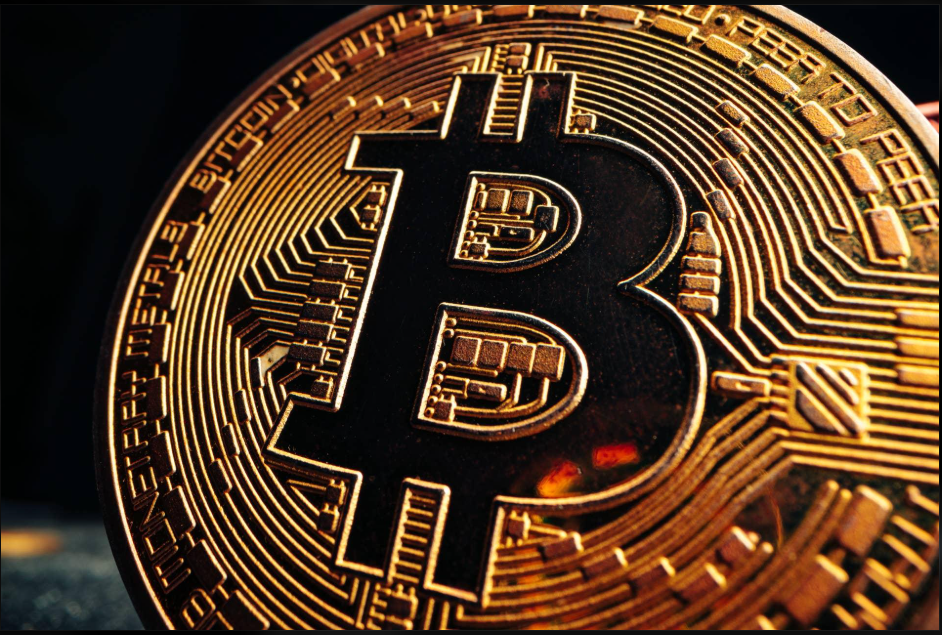
In October 2008, an unknown individual or group using the name Satoshi Nakamoto published a research paper titled Bitcoin: A Peer-to-Peer Electronic Cash System. It introduced a new approach to online payments using a decentralised network.
In January 2009, the Bitcoin network officially began operating with the creation of its first block, known as the Genesis Block. This event marked the beginning of Bitcoin as a functioning digital currency.
Bitcoin was designed to allow people to transfer value directly through a peer-to-peer network. Its system introduced a way to verify transactions without relying entirely on traditional financial institutions.
After Bitcoin gained attention, developers began creating other digital assets with different purposes. Ethereum, for example, introduced smart contracts, which allow developers to build applications that operate through blockchain technology.
Over time, cryptocurrency developed from a new digital payment concept into a wider technology sector involving finance, software development, online services, and digital ownership.
2. Understanding Blockchain Technology
Blockchain is one of the main technologies behind many cryptocurrencies. It can be understood as a digital record book that stores information in connected groups called blocks.
Each block contains transaction information and a link to the previous block. This structure makes the records difficult to alter without detection.
Unlike a traditional database controlled by one organisation, many public blockchains distribute copies of their records across multiple computers in a network.
Some important characteristics include:
Decentralisation: Certain blockchain networks operate without a single central controller.
Transparency: Public blockchain transactions can generally be viewed and independently verified.
Security: Cryptographic techniques help protect transaction records.
Traceability: Recorded transactions can be followed through the network.
Blockchain is not limited to cryptocurrency. It can also support applications involving supply chains, digital identity, financial records, and asset management.
However, not every blockchain is completely decentralised, and the technology does not automatically guarantee that every application is secure or trustworthy.

3. How Does Cryptocurrency Work?
Cryptocurrency transactions take place through digital wallets and blockchain networks. A wallet allows users to manage their digital assets and authorise transfers.
For example, imagine that Ali wants to send Bitcoin to a friend.
First, Ali enters the receiver's wallet address and selects the amount he wants to transfer. His wallet uses a private key to authorise the transaction. The transaction is then broadcast to the Bitcoin network.
Network participants verify whether the transfer follows the system's rules. Depending on the blockchain, this process may involve mining or another transaction-validation method.
Once accepted and recorded, the transaction becomes part of the blockchain's history. The receiver can then see the incoming Bitcoin in the relevant wallet.

Some important terms are:
Digital Wallet: A tool used to manage cryptocurrency and access blockchain assets.
Private Key: A secret piece of information that gives control over certain wallet assets.
Public Address: An address that can be shared to receive digital assets.
Mining: A process used by certain blockchain networks, including Bitcoin, to validate transactions and create new blocks.
Exchange: A platform that allows users to buy, sell, or trade digital assets.
Stablecoin: A digital asset designed to maintain a relatively stable value, often by linking it to a currency such as the US Dollar.
Understanding these terms is important because cryptocurrency involves technical processes that are different from ordinary bank transfers.
4. Benefits and Risks of Cryptocurrency
Cryptocurrency offers several possible advantages, but it also introduces financial and technological challenges.
Potential Benefits
International Transactions: Digital assets may provide alternative methods for transferring value across borders, depending on the platform, regulations, and transaction costs.
Financial Innovation: Blockchain can support new financial services, digital applications, and automated agreements.
Business Opportunities: Developers, designers, cybersecurity specialists, and financial professionals can explore careers in the growing digital-asset sector.
Digital Ownership: Blockchain systems can represent certain assets digitally, creating new possibilities for ownership records and financial products.
Accessibility: Online financial tools may provide additional services to people who have limited access to traditional banking, although internet access and digital knowledge remain important requirements.
Major Risks
Price Volatility: Cryptocurrency prices can rise or fall sharply, resulting in significant financial losses.
Online Scams: Fake investment schemes, fraudulent websites, and misleading advertisements can target inexperienced users.
Cybersecurity Threats: Hacking, phishing, and stolen private keys may result in permanent loss of digital assets.
Regulatory Uncertainty: Laws and requirements differ between countries and may change as governments develop new policies.
Environmental Concerns: Some mining-based networks consume considerable electricity, raising questions about energy use and sustainability.
Cryptocurrency should therefore not be considered a guaranteed way to earn money. Understanding the technology and checking the relevant regulations are essential before making financial decisions.

5. Cryptocurrency in Pakistan: A Changing Digital Landscape
Pakistan has experienced an important shift in its approach to virtual assets. For several years, the absence of a comprehensive regulatory framework created uncertainty for businesses and individuals interested in this sector.
A major development came in 2026 with the introduction of the Virtual Assets Act, 2026, which established the Pakistan Virtual Assets Regulatory Authority (PVARA). This authority is responsible for licensing, supervising, and regulating virtual-asset activities in the country.
In August 2026, PVARA notified regulations covering virtual-asset service providers, including requirements related to licensing, customer protection, financial compliance, and business operations.
The State Bank of Pakistan (SBP) also issued instructions allowing regulated banks to open accounts for eligible PVARA-licensed virtual-asset service providers, subject to specific conditions.
These developments indicate that Pakistan is moving towards a more structured approach to the digital-asset industry. However, regulation does not mean that every cryptocurrency or trading platform is approved or guaranteed to be safe.
The long-term development of this sector could create several opportunities:
Technology Careers: Demand may grow for blockchain developers, software engineers, cybersecurity professionals, and compliance specialists.
Startup Development: Pakistani entrepreneurs could build financial applications, blockchain services, and digital business solutions.
International Business: Properly regulated services may help local companies connect with international digital-finance markets.
Financial Innovation: Businesses could explore new payment systems, digital records, and blockchain-based financial products.
Professional Training: Universities and technology institutes may introduce more learning opportunities related to blockchain, digital finance, and cybersecurity.
In the coming years, Pakistan's success will depend on effective regulation, reliable infrastructure, public awareness, and responsible business practices.

6. How Cryptocurrency Is Influencing Other Countries
Different countries have adopted different approaches to cryptocurrency. Some focus on financial innovation, while others give greater attention to consumer protection, licensing, and economic stability.

United States
The United States is an important market for cryptocurrency, digital-asset investment, and blockchain development. Financial institutions and technology companies have increasingly explored ways to connect digital assets with traditional financial services.
The GENIUS Act, signed into law in July 2025, established a federal framework for payment stablecoins. It introduced requirements for permitted issuers and aimed to strengthen oversight of this area.
In the coming years, clearer rules could encourage further development of regulated stablecoin services, digital payments, and financial products. At the same time, authorities will need to address fraud, market manipulation, and consumer protection.
United Arab Emirates (UAE)
The UAE has positioned itself as an important destination for digital finance and virtual-asset businesses. Dubai established the Virtual Assets Regulatory Authority (VARA) to supervise virtual-asset activities within its regulatory jurisdiction.
The country has developed licensing and compliance requirements for businesses providing virtual-asset services. These measures aim to improve market transparency, protect investors, and encourage responsible innovation.
Future developments could attract more international technology companies, create specialist employment, and strengthen the UAE's position in the global digital-finance industry.
Singapore
Singapore is recognised for its organised approach to financial technology and digital payments. The Monetary Authority of Singapore (MAS) regulates digital payment token services under its financial regulatory framework.
Businesses providing relevant services must meet licensing and compliance requirements. These include measures addressing financial crime, customer protection, and operational risks.
In the future, Singapore could continue expanding its role in blockchain research, digital payment infrastructure, and regulated financial technology. Its approach demonstrates the importance of balancing innovation with strong supervision.
El Salvador
El Salvador attracted worldwide attention in 2021 when it adopted Bitcoin as legal tender. The decision made the country an important example in discussions about cryptocurrency adoption at a national level.
However, the experience also highlighted challenges involving public adoption, financial risks, and government exposure to digital assets.
In more recent developments, El Salvador has adjusted parts of its Bitcoin policy under an agreement with the International Monetary Fund. Changes have included reducing the government's role in Bitcoin-related activities and strengthening oversight.
Its experience shows that adopting cryptocurrency at a national level can create opportunities, but it also requires careful financial planning, transparency, and public trust.
7. The Future of Cryptocurrency: What Could Happen in the Coming Years?
The future of cryptocurrency will depend on technology, government policies, financial institutions, and public acceptance. Although nobody can predict exact market prices or guarantee future results, several developments may influence the industry over the next few years.
Wider Use of Stablecoins: Stablecoins may become more common in international payments and digital financial services. Their expansion will depend on reliable reserves, legal oversight, and public confidence.
Growth of Blockchain Applications: Businesses may use blockchain for financial records, digital ownership, supply-chain management, and automated agreements.
Stronger Government Regulations: More countries may introduce licensing systems, reporting requirements, and consumer-protection rules to make digital-asset markets more accountable.
Institutional Participation: Banks, investment firms, and other financial organisations may expand their involvement in regulated digital-asset services.
Improved Security: Developers and service providers may invest in stronger wallet protection, fraud detection, identity verification, and cybersecurity systems.

Environmental Improvements: Some blockchain networks may continue exploring energy-efficient validation methods to reduce the environmental impact associated with certain mining systems.
These developments could make cryptocurrency services more accessible and better organised. Nevertheless, progress will not be identical in every country, and financial risks will remain.
8. Future Opportunities and Challenges for Pakistan
Pakistan has an opportunity to develop its digital-finance sector by combining technology education, responsible regulation, and local entrepreneurship.
The country's young population and growing interest in software development could support the expansion of blockchain-related skills. Students and professionals may explore areas such as smart-contract development, digital security, financial technology, and data analysis.
Local businesses could also investigate blockchain applications for international trade, digital records, and financial services. With appropriate oversight, these developments may encourage entrepreneurship and create specialised employment.
However, several challenges must be addressed before these possibilities become significant achievements.
Digital Infrastructure: Reliable internet access and modern technology are necessary for building and operating digital services.
Public Awareness: People need clear information about cryptocurrency, investment risks, fraud prevention, and legal requirements.
Investor Protection: Regulatory authorities must ensure that licensed businesses follow appropriate standards and treat customers fairly.
Cybersecurity: Strong security systems are necessary to protect financial information and prevent unauthorised access.

Skilled Professionals: Educational institutions and training programmes can help prepare people for emerging roles in blockchain and digital finance.
In the long term, Pakistan could benefit from a responsible digital-asset ecosystem that supports innovation without ignoring financial stability and consumer safety. Achieving this goal will require cooperation between regulators, technology companies, educational institutions, and the public.
Conclusion: Is Cryptocurrency Part of the Future?
Cryptocurrency has developed from an experimental digital-payment idea into an international technology and financial sector. Bitcoin introduced a new approach to transferring digital value, while blockchain technology created opportunities for applications beyond currency.
Countries such as the United States, the UAE, Singapore, and El Salvador demonstrate that there is no single approach to digital assets. Each has followed a different path based on its economic priorities, financial system, and regulatory environment.
For Pakistan, the introduction of a dedicated legal framework represents an important step towards organising the virtual-asset industry. It may support new careers, business innovation, and digital-finance services in the years ahead. However, long-term progress will depend on effective supervision, public education, cybersecurity, and responsible participation.

Cryptocurrency is not simply about buying and selling digital coins. It represents a wider discussion about how technology could influence money, business, and international financial connections.
The future remains uncertain, but one thing is clear: understanding digital finance and developing relevant technology skills will become increasingly valuable. Rather than viewing cryptocurrency only as a trend or investment opportunity, we should examine its possibilities, recognise its risks, and prepare for the changes it may bring to the world.









Comments 0
Sign in to join the conversation.
No comments yet. Be the first to say something.