


INTRODUCTION:
The Science Behind Vaccines
Vaccines function by stimulating the body’s immune system to recognize and combat harmful pathogens, such as viruses or bacteria. The immune system is a complex network of cells, tissues, and organs that defends the body against infections. It works by identifying foreign invaders, producing antibodies to neutralize them, and creating memory cells to recognize them in the future.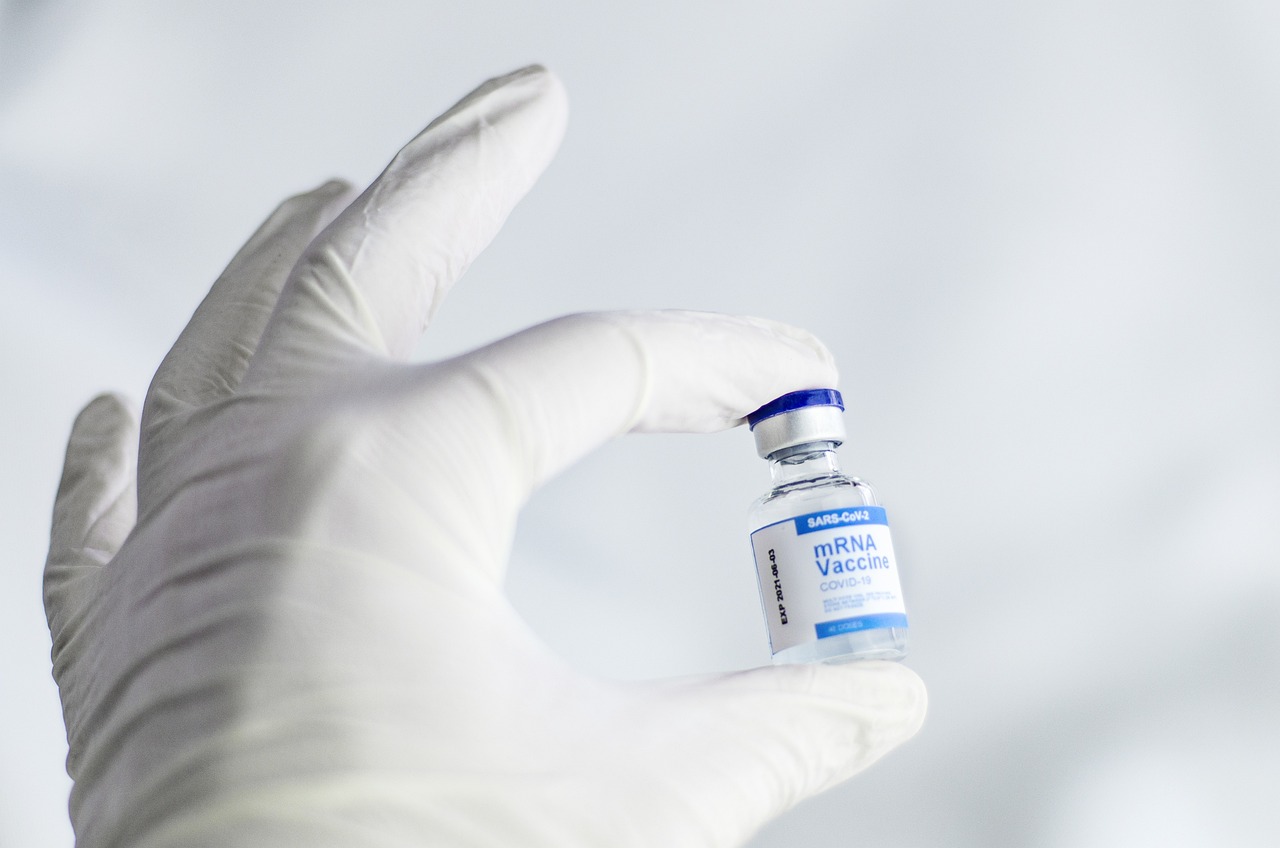
When a person is exposed to a pathogen for the first time, the immune response can be slow, giving the pathogen time to cause illness. Vaccines mimic this exposure, allowing the immune system to prepare without causing the disease.
Types of Vaccines
Vaccines are designed in various ways to suit the specific characteristics of the disease-causing organism. The main types include:
Inactivated Vaccines
These vaccines use pathogens that have been killed or inactivated, so they cannot cause disease. Examples include the polio vaccine and some flu vaccines.
Live Attenuated Vaccines
These vaccines contain weakened forms of the pathogen. While still alive, these pathogens are too weak to cause illness in healthy individuals. Examples include the measles, mumps, and rubella (MMR) vaccine.
Subunit, Recombinant, and Conjugate Vaccines
These vaccines use specific parts of the pathogen, such as proteins or sugars, to stimulate an immune response. Examples include the HPV and hepatitis B vaccines.
Messenger RNA (mRNA) Vaccines
mRNA vaccines, such as some COVID-19 vaccines, provide genetic instructions for cells to produce a harmless protein found on the pathogen. This protein triggers an immune response, teaching the body to recognize and fight the actual virus.
Viral Vector Vaccines
These vaccines use a modified virus to deliver genetic material from the target pathogen. An example is the Johnson & Johnson COVID-19 vaccine.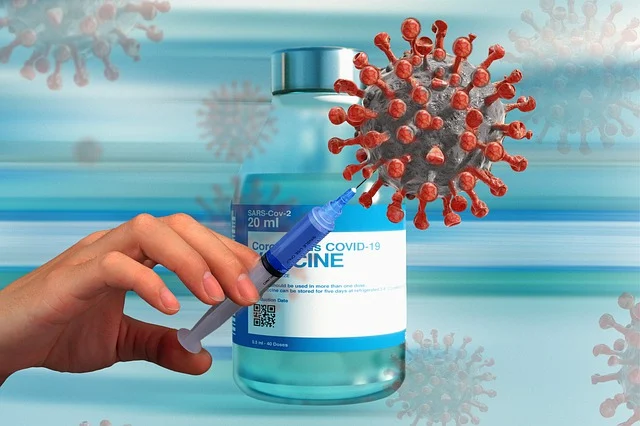
How Vaccines Train the Immune System
Vaccines introduce a harmless version of a pathogen or its components into the body. This prompts the immune system to:
-
Recognize the Threat
The immune system identifies the vaccine's antigens (foreign substances) as invaders. -
Produce Antibodies
Specialized white blood cells called B-cells generate antibodies, which are proteins designed to neutralize the pathogen. -
Create Memory Cells
The immune system retains memory of the pathogen, allowing it to respond rapidly and effectively if exposed to the real pathogen in the future.
This process equips the body with immunity, often for years or even a lifetime, depending on the vaccine.
The Impact of Vaccines on Global Health
Vaccination has transformed public health, preventing millions of deaths each year. Here are some of the key achievements:
-
Eradication of Smallpox
Smallpox, a deadly disease that killed millions, was declared eradicated in 1980 following a global vaccination campaign. -
Reduction of Polio Cases
Polio, once a global scourge, is now nearly eradicated, with cases reduced by over 99% thanks to widespread immunization efforts. -
Control of Measles, Rubella, and Whooping Cough
Vaccines have significantly reduced cases of diseases like measles, rubella, and whooping cough, saving countless lives. -
Protection Against Emerging Threats
The rapid development of vaccines for COVID-19 during the pandemic showcased the critical role of vaccination in responding to new health crises.
Vaccine Development and Safety
The development of vaccines is a rigorous and meticulous process that involves multiple phases of testing:
-
Preclinical Testing
Researchers test potential vaccines in the lab and on animals to assess safety and efficacy. -
Clinical Trials
Human trials are conducted in three phases:- Phase 1: Tests on a small group to evaluate safety.
- Phase 2: Expands the group to assess the immune response.
- Phase 3: Involves thousands of participants to confirm effectiveness and monitor rare side effects.
- Approval and Monitoring
Regulatory agencies, such as the FDA or WHO, review the data before approving vaccines. Even after approval, vaccines are continually monitored for safety.
Myths and Misconceptions
Despite their proven benefits, vaccines are often surrounded by myths and misinformation. Common misconceptions include:
- "Vaccines cause autism": This claim has been debunked by extensive scientific studies.
- "Vaccines contain harmful toxins": Vaccine ingredients are carefully regulated and used in safe amounts.
- "Natural immunity is better": While natural immunity can occur after infection, it often comes with the risk of severe illness or death.
The Future of Vaccination
Advances in technology and science promise exciting developments in vaccination:
-
Personalized Vaccines
Tailored vaccines based on an individual’s genetic profile could enhance effectiveness. -
Universal Vaccines
Researchers are working on vaccines that provide broad protection, such as a universal flu vaccine. -
Nanotechnology in Vaccines
Nanoparticles may improve vaccine delivery and storage, making vaccines more effective and accessible. -
Global Vaccine Equity
Efforts are underway to ensure that vaccines reach underserved populations, addressing disparities in healthcare access.
Conclusion
Vaccines are a cornerstone of modern medicine, protecting humanity from deadly diseases and transforming public health. By understanding how vaccines work and supporting immunization efforts, we can continue to prevent outbreaks, save lives, and build a healthier future for all. Vaccination not only protects individuals but also strengthens communities through herd immunity, ensuring that even the most vulnerable are safeguarded.
In the face of emerging health threats, vaccines remain a powerful tool in humanity’s arsenal, offering hope and resilience against the challenges of infectious diseases. Through science, innovation, and global cooperation, vaccines will continue to play a critical role in protecting generations to come.








Comments 0
Sign in to join the conversation.
No comments yet. Be the first to say something.