

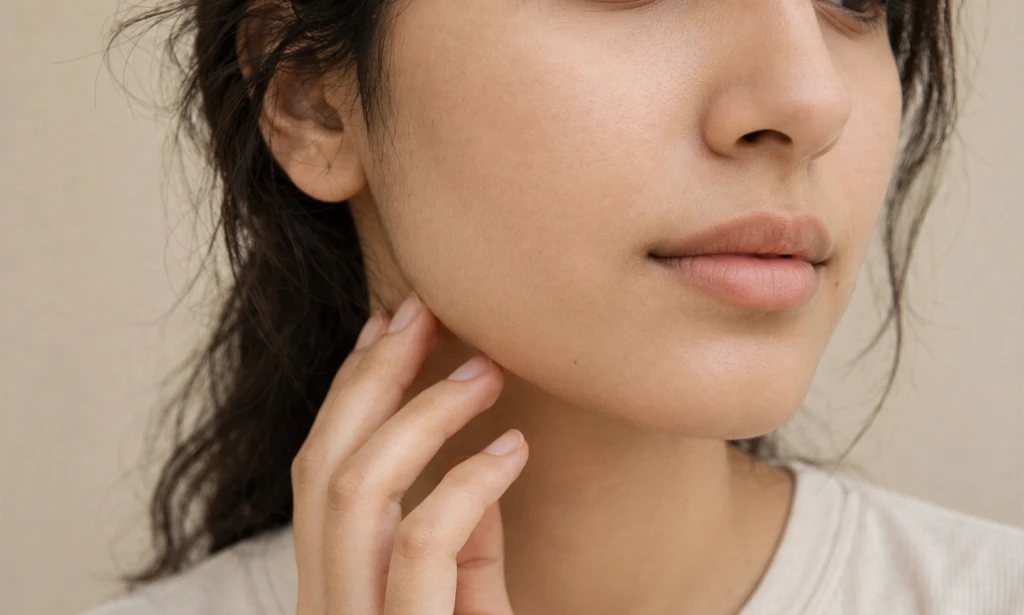
Have you ever looked in the mirror and noticed a new pimple on your face just before an important day? It can be frustrating, especially when you want your skin to look fresh and healthy. Pimples are a common skin problem that can affect teenagers and adults. They often appear on the forehead, cheeks, chin, and nose.
The good news is that you do not always need an expensive skincare routine to take better care of your skin. Simple daily habits, gentle skincare, and a few natural approaches can help manage breakouts and support healthier-looking skin.
If you are wondering how to get rid of pimples naturally at home, this guide will help you understand what causes pimples, which habits can help, and what mistakes you should avoid.
Let's explore some easy ways to care for your skin without making your routine complicated.
What Causes Pimples on the Face?
Before learning how to get rid of pimples, it is helpful to understand why they appear.
Pimples usually develop when hair follicles become blocked with excess oil and dead skin cells. Bacteria and inflammation can also play a role in acne.
Several everyday factors may contribute to breakouts, including:
- Hormonal Changes: Hormones can increase oil production, especially during puberty and certain stages of adulthood.
- Excess Oil: Naturally oily skin can make it easier for pores to become blocked.
- Dirty Makeup Brushes: Makeup brushes can collect oil, dirt, and product residue.
- Stress: Stress may make existing acne worse in some people.
- Hair Products: Heavy oils and styling products can contribute to pimples around the forehead.
- Unsuitable Skincare: Some heavy creams and oily products may block pores.
Understanding your triggers can help you choose a skincare routine that works better for your skin.
10 Natural Ways to Get Rid of Pimples at Home
You can start improving your skincare habits with simple steps. These methods focus on keeping your skin clean, protecting its natural barrier, and reducing common breakout triggers.
1. Wash Your Face Gently Twice a Day
Washing your face is one of the easiest ways to remove sweat, dirt, excess oil, and makeup.
Use a gentle facial cleanser that suits your skin type. Wash your face in the morning and before going to bed. If you exercise or sweat heavily, clean your face afterward.
Avoid using harsh soaps or scrubbing your skin too hard. Too much washing can irritate your face and make breakouts worse.
Tip: Use lukewarm water and your fingertips instead of rough towels or cleaning brushes.
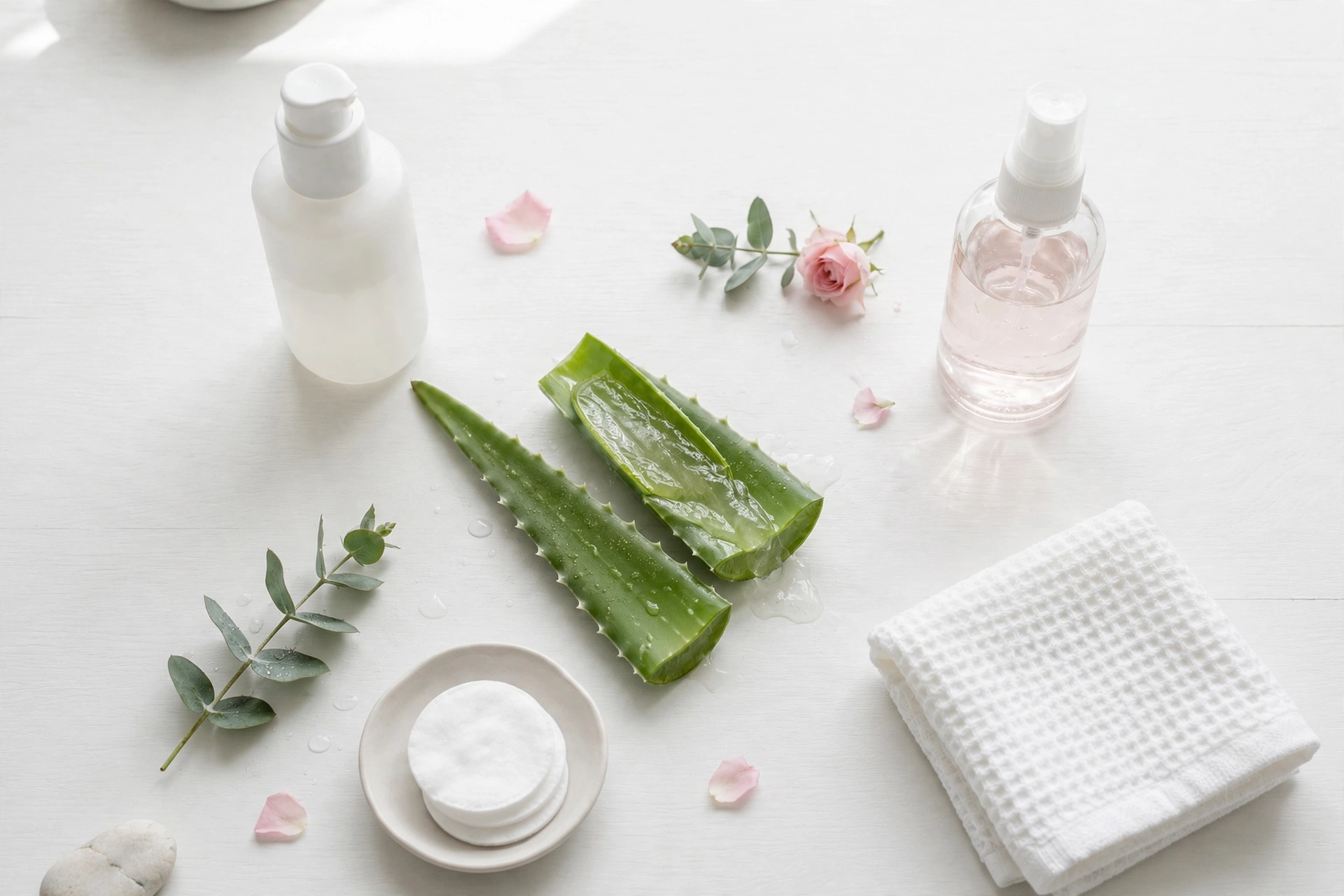
2. Try Aloe Vera for Skin Care
Aloe vera is commonly used in skincare because it contains soothing and moisturizing compounds.
Some people use pure aloe vera gel as part of their skincare routine to calm irritated skin. However, it is not a proven treatment for acne and may not prevent new pimples.
If you want to try it, choose a simple, fragrance-free product. Apply a small amount to a small area first to check for irritation.
Avoid products containing added perfume or irritating ingredients.
3. Keep Your Skin Hydrated
Many people with oily skin think they should avoid moisturizers. However, skipping moisturizer can leave the skin dry and uncomfortable.
A lightweight moisturizer can help maintain your skin's natural moisture barrier.
Look for products labelled:
- Oil-free
- Non-comedogenic
- Won't clog pores
- Fragrance-free
Apply a small amount after washing your face. Well-moisturized skin is more comfortable and may tolerate acne treatments better.
4. Apply Sunscreen Every Morning
Sun protection is an important part of healthy skincare.
Sun exposure can make dark marks left behind by pimples more noticeable. It can also damage your skin over time.
Choose a broad-spectrum sunscreen with SPF 30 or higher. If you have oily or acne-prone skin, look for a lightweight, non-comedogenic formula.
Apply it before going outside and reapply as directed on the product label.
Remember, sunscreen does not cause healthy skin to become oily when you choose a suitable formula.
5. Use Honey Carefully
Honey is a natural ingredient that has moisturizing properties and is sometimes used in homemade skincare.
However, there is not enough reliable evidence to show that applying kitchen honey can clear acne.
If you enjoy using honey as a skincare ingredient, choose a simple product and test it on a small area first.
Do not use it as a replacement for proper acne treatment, especially if you have painful or frequent breakouts.
6. Change Your Pillowcase Regularly
Your pillowcase comes into contact with your face for several hours every night.
Oil, sweat, hair products, and dirt can build up on the fabric over time.
Changing your pillowcase regularly is a simple hygiene habit that may help keep your sleeping area clean.
You should also:
- Wash your face before sleeping.
- Avoid sleeping with makeup on.
- Keep your hair away from your face.
- Use a clean face towel.
These small habits can make your daily skincare routine easier.
7. Avoid Touching or Popping Pimples
When a pimple appears, it can be tempting to squeeze it immediately. However, this habit can irritate your skin and increase the risk of infection, dark spots, and permanent acne scars.
Try to keep your hands away from your face throughout the day.
If you have a painful pimple, avoid pressing or scratching it. Give your skin time to heal.
A simple rule is to leave your pimples alone instead of trying to remove them with your fingers.
8. Eat a Balanced Diet
Your daily food choices support your overall health, including your skin.
There is no single food that can completely prevent pimples. However, some people notice that certain foods are linked to their breakouts.
Try to include more nutritious foods in your meals, such as:
- Fresh fruits
- Green vegetables
- Whole grains
- Nuts and seeds
- Protein-rich foods
- Healthy fats
Some research suggests that high-glycemic foods may contribute to acne in certain people. These include foods and drinks that can raise blood sugar quickly.
Instead of following a strict diet, focus on balanced meals and notice whether particular foods seem to trigger your breakouts.

9. Get Enough Sleep
Your skin needs proper care, and healthy sleep habits are part of overall well-being.
Poor sleep can affect your mood and stress levels. Stress may also make acne worse for some people.
Try to maintain a regular sleeping schedule and get enough rest each night.
A few helpful habits include:
- Avoid using your phone right before bedtime.
- Keep your sleeping area comfortable.
- Follow a regular bedtime.
- Give yourself time to relax.
Good sleep will not remove pimples overnight, but it supports your general health.
10. Keep Your Hair and Makeup Products Clean
Sometimes, pimples appear around the forehead, temples, and cheeks because of hair or makeup products.
Heavy hair oils, greasy creams, and unsuitable makeup can contribute to blocked pores.
To reduce possible triggers:
- Wash your makeup brushes regularly.
- Remove makeup before sleeping.
- Avoid heavy hair oils near your forehead.
- Choose non-comedogenic makeup.
- Keep your hair away from your face.
These simple changes may help reduce unnecessary irritation and product buildup.
A Simple Morning and Night Skincare Routine
You do not need ten different products to care for acne-prone skin. A basic routine can be a good starting point.
Morning Routine
1. Wash your face with a gentle cleanser.
2. Apply a lightweight moisturizer.
3. Finish with SPF 30 or higher sunscreen.
Night Routine
1. Remove your makeup if you are wearing any.
2. Wash your face gently.
3. Apply a suitable moisturizer.
If you need additional acne treatment, products containing salicylic acid or benzoyl peroxide may help with mild acne. Introduce one product at a time and follow its instructions to reduce irritation.
Consistency is more important than using too many products.
Natural Ingredients You Should Avoid Putting on Your Face
Not everything found in your kitchen is safe for your skin. Some popular DIY skincare tricks can actually cause irritation.
Avoid applying these ingredients directly to pimples:
- Lemon Juice: Its acidity can irritate your skin and increase sensitivity.
- Toothpaste: It is made for cleaning teeth, not treating acne.
- Baking Soda: It can disturb your skin's natural protective barrier.
- Undiluted Essential Oils: These may cause irritation or allergic reactions.
- Harsh Scrubs: Rough ingredients can damage irritated skin.
Natural does not always mean safe. Choose gentle skincare products instead of experimenting with harsh homemade treatments.
How Long Does It Take to Get Clear Skin?
One of the biggest mistakes people make is expecting pimples to disappear within one or two days.
Acne takes time to improve. Simple skincare habits may help your skin feel cleaner and healthier, but visible improvements usually require patience.
Many acne treatments need around 6 to 8 weeks or longer to show noticeable results.
Avoid changing your skincare products every few days. Give your routine enough time to work, and pay attention to how your skin responds.
If your acne is painful, deep, severe, or leaving scars, consult a dermatologist instead of relying only on home remedies.
Frequently Asked Questions (FAQs)
1. How can I remove pimples naturally at home?
Start with a gentle cleanser, a suitable moisturizer, sunscreen, and healthy daily habits. Avoid squeezing pimples or using harsh homemade treatments. These steps can support your skin, although natural methods cannot guarantee acne-free skin.
2. What is the fastest way to reduce pimples?
Avoid touching or squeezing the pimple. Use a gentle cleanser and consider a suitable acne treatment containing benzoyl peroxide or salicylic acid. Do not expect every pimple to disappear overnight.
3. Can aloe vera remove pimples?
Aloe vera may help soothe some irritated skin, but there is limited evidence that it treats acne. It should not replace proven acne treatments.
4. Does drinking water help clear acne?
Drinking enough water supports normal body functions and helps prevent dehydration. However, drinking extra water alone will not cure pimples or prevent every breakout.
5. Why do I get pimples on my forehead?
Forehead pimples may be related to excess oil, hormonal changes, sweat, or heavy hair products. Keeping your hair clean and away from your face may help reduce some triggers.
6. Should I wash my face more often if I have pimples?
No. Washing your face too frequently can irritate your skin. A gentle cleanser twice a day and after heavy sweating is generally enough.
7. Can pimples leave permanent marks?
Yes. Some pimples can leave dark spots or permanent scars, especially when they are deep or repeatedly squeezed. Early and appropriate acne treatment can help reduce this risk.
Final Thoughts
Getting clear skin does not happen in one night, and you do not need an expensive skincare collection to start taking care of your face.
The best approach is to understand your skin, follow a gentle routine, protect it from the sun, and avoid habits that make breakouts worse.
Remember that everyone's skin is different. A method that works for one person may not work for another. Be patient, choose products carefully, and do not feel disappointed if your skin needs extra attention.
Healthy skin is not about having a perfectly smooth face every day. It is about taking care of yourself and feeling comfortable in your own skin.









Comments 0
Sign in to join the conversation.
No comments yet. Be the first to say something.