

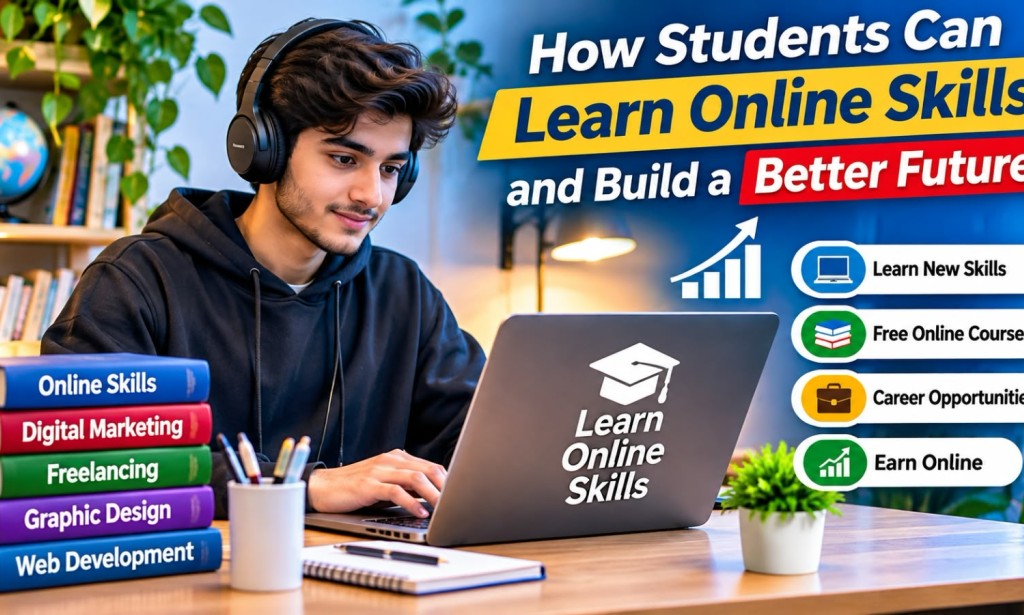
How Students Can Learn Online Skills and Build a Better Future
Introduction
The internet has changed the way people learn, communicate, and prepare for their careers. In the past, students usually depended on schools, colleges, libraries, and printed books to gain knowledge. Today, they can also use online resources to learn new skills from home. A student with a computer or smartphone and an internet connection can explore many subjects and practise useful skills.
Learning online does not mean that students should stop attending school or ignore their regular studies. Instead, online learning can support traditional education and help students understand subjects more deeply. It can also introduce them to practical abilities that may be useful in future jobs and personal projects.
The best way to benefit from online learning is to choose a useful skill, follow a learning plan, practise regularly, and review progress. This guide explains how students can begin learning online skills and use their time wisely.
1. Understand Your Interests and Goals
Before choosing an online skill, students should think about their interests. Some students enjoy writing, while others prefer drawing, technology, communication, or problem-solving. Choosing a subject that matches personal interests can make learning more enjoyable.
Students should also decide why they want to learn. One student may want to improve school performance, while another may want to prepare for a future career. Some may simply want to become more confident using digital tools.
Write down one clear goal. For example, a student might decide to learn basic graphic design in eight weeks or improve English writing by practising every day. A specific goal makes it easier to measure progress.
Avoid trying to learn many unrelated skills at the same time. Starting with one subject helps students focus and build a strong foundation.
2. Choose a Useful Online Skill
There are many skills students can explore online. The right choice depends on their age, interests, available time, and future plans.
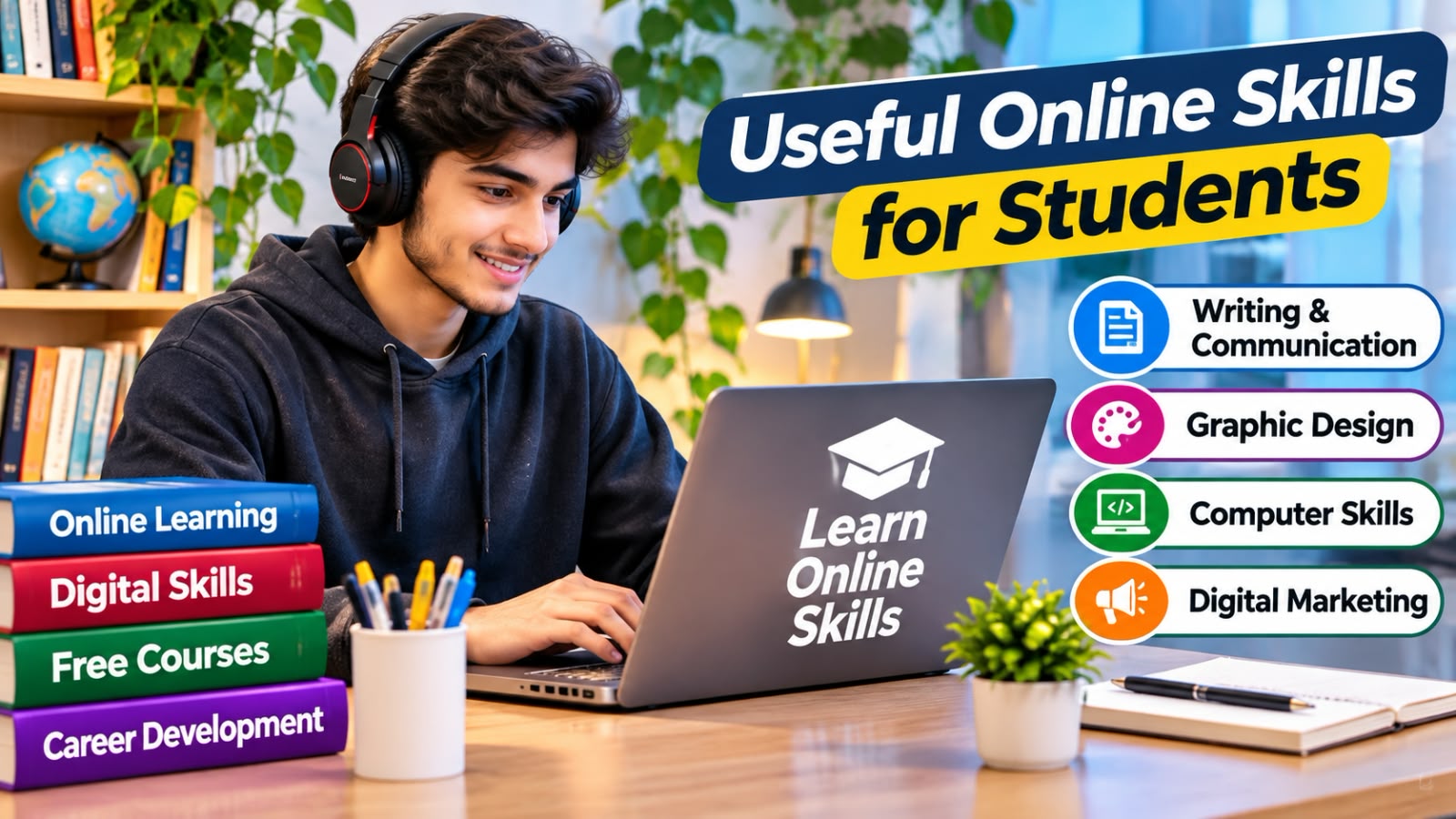
Writing and Communication
Writing is useful in education, business, and many professional fields. Students can practise writing short paragraphs, summaries, emails, and informative articles. They can also improve grammar, spelling, vocabulary, and reading comprehension.
Good communication is not only about writing correctly. It also includes listening carefully, explaining ideas clearly, and asking useful questions.
Graphic Design
Graphic design combines creativity with visual communication. Beginners can learn about colours, fonts, spacing, layouts, and image selection. Free design tools can help students practise making simple posters, presentations, and social media graphics.
Students should focus on understanding design principles instead of copying other people's work. Creating original practice projects is a good way to improve.
Computer and Digital Skills
Basic computer knowledge is valuable in modern education and workplaces. Students can learn how to organise files, use word processors, create presentations, manage spreadsheets, and search for reliable information.
More advanced learners may explore coding, website development, or data analysis after understanding the basics.
Digital Marketing
Digital marketing introduces students to online communication, content planning, audience research, and responsible promotion. It can help them understand how organisations share information about products and services.
Students should learn the basics first and avoid spending money on courses or advertising before they understand the subject.
3. Find Reliable Free Learning Resources
Students do not always need expensive courses to begin learning. Many educational websites and online platforms offer free lessons, tutorials, and practice materials.
YouTube can be useful for watching demonstrations and step-by-step lessons. Educational websites, public libraries, and free learning platforms may also provide structured courses.
However, students should check the quality of the information before following it. Look for lessons from experienced teachers, recognised educational organisations, or people who demonstrate their knowledge clearly.
It is also important to understand that a free lesson may not provide a formal certificate. Students should focus on what they actually learn rather than collecting certificates without developing practical abilities.
4. Create a Simple Daily Learning Schedule
A learning schedule helps students stay consistent. Without a plan, it is easy to spend time browsing different videos without completing any lesson.
Start with a manageable routine. For example, students could spend thirty minutes watching or reading a lesson, thirty minutes practicing, and fifteen minutes reviewing what they learned.
The schedule should fit around school, homework, family responsibilities, and rest. Students should not sacrifice sleep or important school activities to learn an additional skill.
A weekly plan can make the process easier:
- Monday: Learn a new topic.
- Tuesday: Practice the first lesson.
- Wednesday: Study another example.
- Thursday: Complete a small exercise.
- Friday: Review mistakes.
- Saturday: Create a small project.
- Sunday: Rest and plan the next week.
This is only an example. Students can adjust it according to their own routines.
5. Practice Instead of Only Watching Lessons
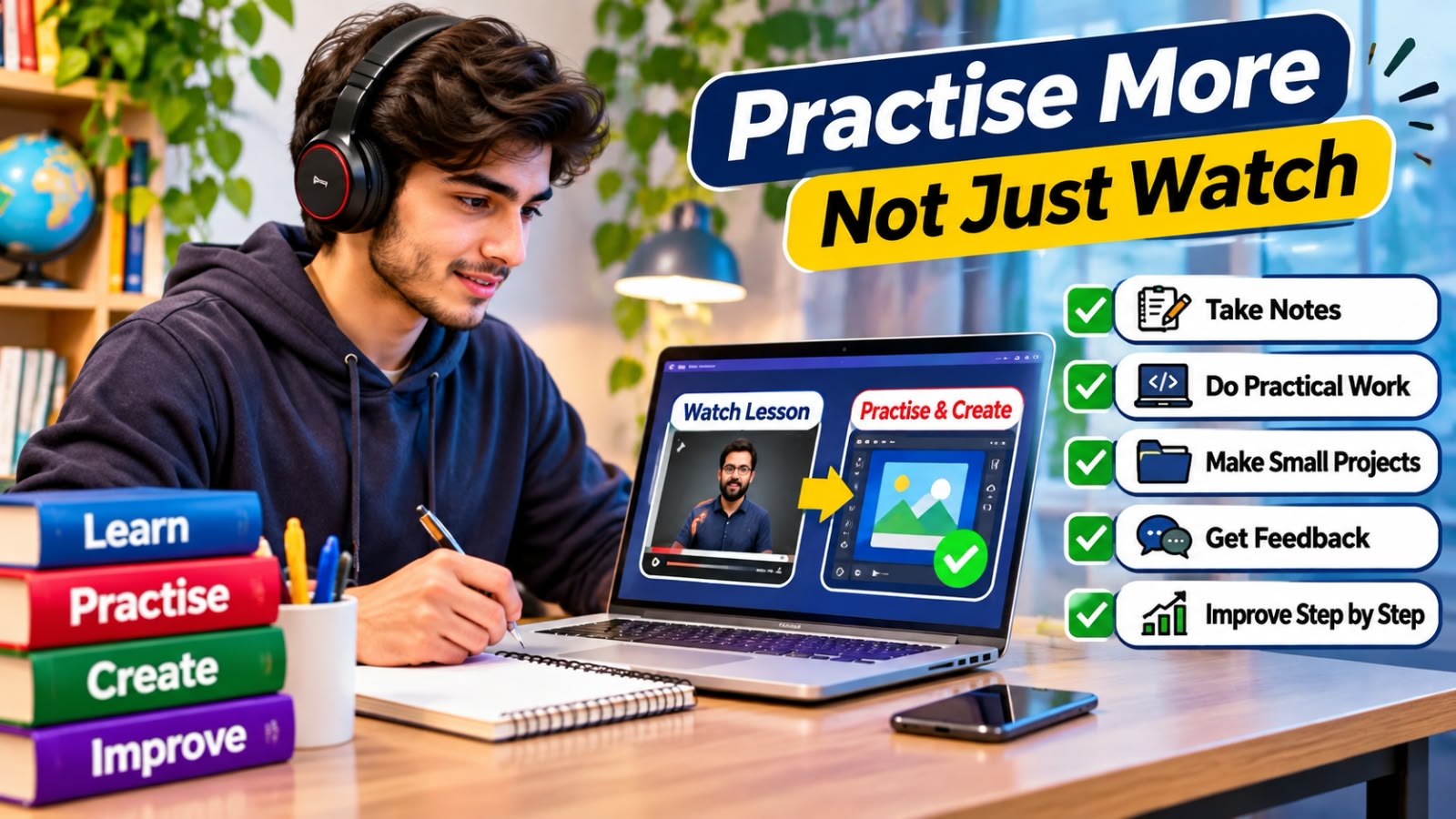
Watching tutorials is helpful, but practical work is essential. A student may watch several graphic design lessons and still struggle to create a simple poster without guidance. Practice turns information into a useful ability.
After each lesson, complete a small task. If learning writing, write a paragraph about a familiar subject. If learning spreadsheets, create a simple table. If learning graphic design, make an original poster using the principles covered in the lesson.
Do not worry if the first attempts are not perfect. Mistakes are a normal part of learning. Save early projects so that progress can be compared over time.
Students can also ask teachers, classmates, or trusted mentors for feedback. Helpful feedback explains what is working and what could be improved.
6. Build a Small Portfolio of Your Work
A portfolio is a collection of examples that shows what a learner can do. It can be useful when applying for educational opportunities, internships, or suitable beginner projects in the future.
Students can create a folder on their computer or organise their work in a cloud storage service. Include original writing samples, presentations, design projects, coding exercises, or other relevant work.
Each project should have a clear title and a short explanation. For example, a student might describe a poster as a practice project created to learn colour combinations and typography.
Never claim that a practice project was made for a real customer if it was not. Honest presentation builds trust and helps students understand their actual level.
7. Learn to Use Artificial Intelligence Responsibly
Artificial intelligence tools can support learning when used carefully. They can explain difficult concepts, suggest practice questions, help organise study notes, and provide feedback on writing.
However, students should not depend on AI to complete every assignment. Copying an answer without understanding it can prevent real learning. It may also break school or college rules.
A better approach is to attempt the task first and then use an AI tool to understand mistakes or explore another explanation. Always check important facts using reliable sources.
Students should also avoid sharing private information, passwords, personal documents, or confidential school information with online tools.
8. Avoid Common Online Learning Mistakes
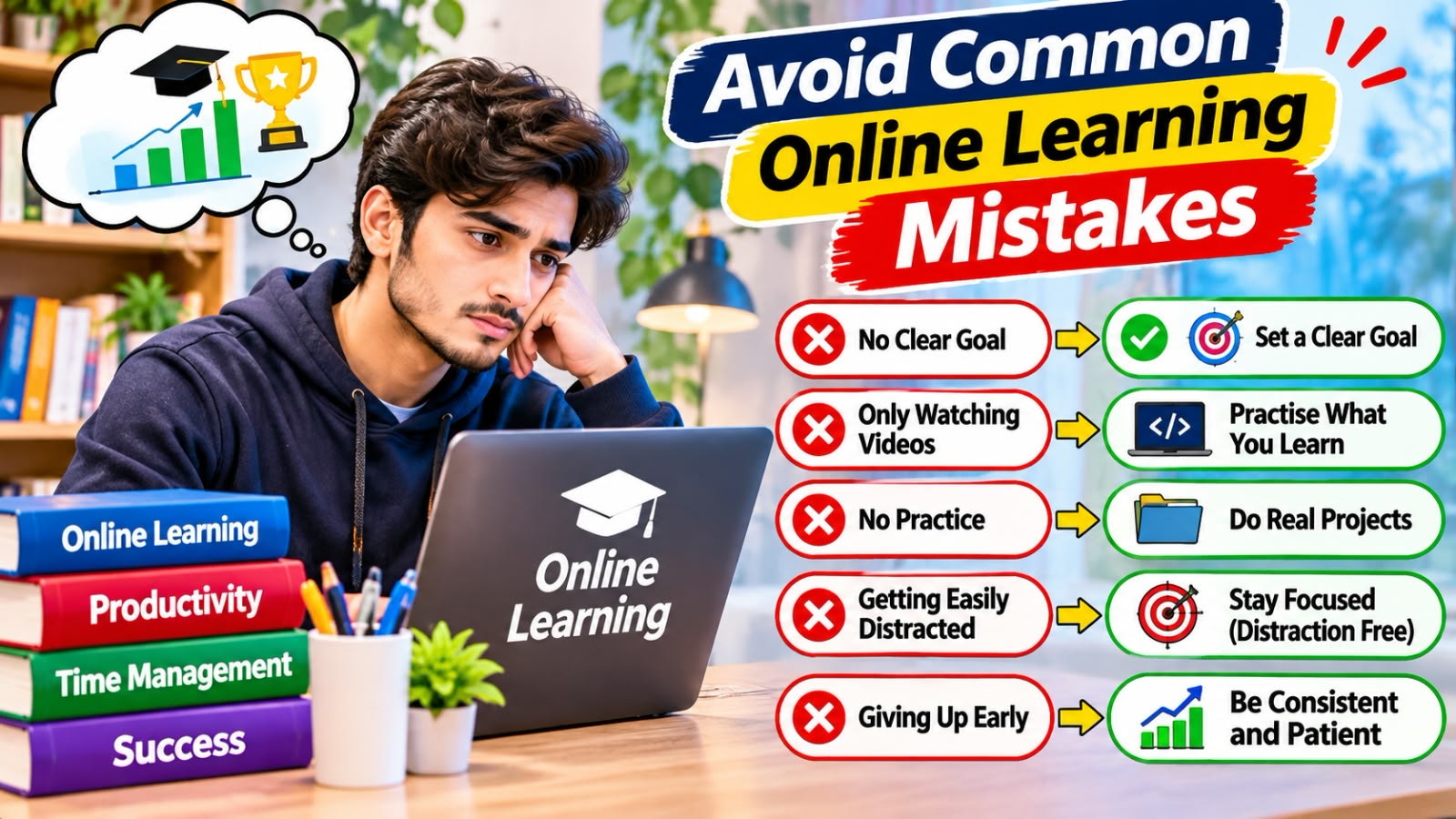
Many beginners lose motivation because they expect immediate results. Learning a new skill takes time, and improvement may happen gradually.
One common mistake is switching between too many subjects. Another is watching lessons without practising. Some students also spend money on courses or tools before checking whether free resources are enough.
To avoid these problems, choose one skill, set a realistic target, and follow a simple schedule. Take short breaks and review progress every week.
Students should also be careful about online earning claims. No genuine learning platform can guarantee that every beginner will earn a fixed amount of money. Be suspicious of websites or individuals who demand registration fees while promising guaranteed income.
Protect personal information and discuss unfamiliar earning opportunities with a trusted adult, especially if you are under eighteen.
9. Measure Your Progress Every Week
Progress becomes easier to understand when students keep a record of their work. At the end of each week, write down what was learned, which exercises were completed, and what still feels difficult.
For example, a beginner learning writing could record the number of paragraphs written and the grammar mistakes corrected. A design learner could save each completed project and note which design techniques were used.
Do not compare your progress unfairly with people who have years of experience. Compare your current work with your earlier attempts.
Small improvements matter. Completing a project, understanding a difficult topic, or practising consistently are all signs of progress.
Conclusion
Online learning gives students an opportunity to explore new subjects and develop useful skills alongside their regular education. Writing, graphic design, communication, computer knowledge, and digital marketing are examples of subjects that beginners can explore through free educational resources.
The most effective approach is simple: understand your interests, choose one skill, find reliable lessons, create a realistic schedule, and practise regularly. Building a small portfolio and reviewing progress can also help students recognise their improvement.
There is no need to rush or expect instant success. Every useful skill develops through patience, practice, and curiosity. By making steady efforts and using online resources responsibly, students can prepare themselves for future educational and career opportunities.







Comments 0
Sign in to join the conversation.
No comments yet. Be the first to say something.