


Video games were once considered a simple form of entertainment, mostly enjoyed by people at home or with friends. Today, gaming has developed into something much bigger. Professional players compete in international tournaments, millions of fans watch live matches, and companies invest in gaming teams and events. This growing industry is known as esports.
Esports, also called electronic sports, refers to organized competitive video gaming in which individuals or teams compete against each other in popular games. It has transformed gaming from a personal hobby into a professional activity with global audiences, business opportunities, and international recognition.
But how did esports become a global gaming industry? Its growth did not happen overnight. Better internet access, advanced gaming technology, online streaming platforms, professional tournaments, and business investments all played important roles in its development.
1. The Early History of Esports
The history of esports goes back several decades. In the early days of video gaming, competitions were small events organized among friends, gaming communities, and university students.
One of the earliest well-known video game competitions took place in 1972 at Stanford University, where students competed in a game called Spacewar!. The winner received a subscription to Rolling Stone magazine.
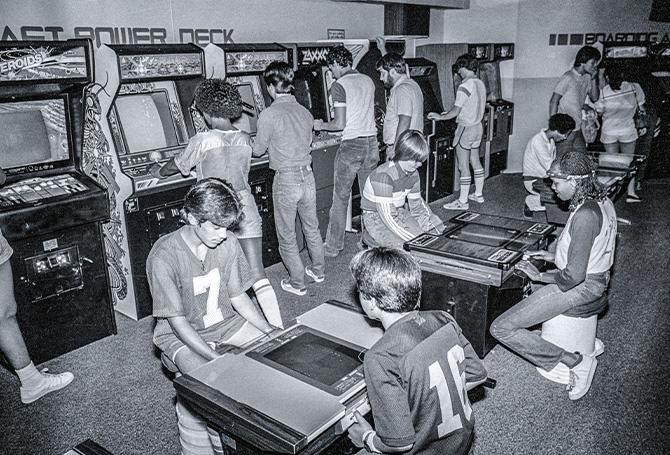
During the 1980s and 1990s, arcade gaming became increasingly popular. Players competed for high scores, participated in local tournaments, and tried to establish themselves as skilled gamers.
Games such as Street Fighter, Quake, StarCraft, and Counter-Strike helped build competitive gaming communities. These games introduced more organized competitions and encouraged players to improve their skills.
Although these early events were relatively small, they created the foundation for modern esports.
2. The Internet Helped Esports Reach a Global Audience
The development of the internet was one of the biggest reasons behind the growth of esports.
In the past, gamers usually needed to be in the same location to compete against each other. As internet connections improved, online multiplayer gaming allowed people from different cities and countries to play together.
Players could now join international matches without traveling to another location. Online gaming communities also made it easier to find teammates, participate in competitions, and communicate with other gamers.
Games such as Counter-Strike and StarCraft became important parts of competitive gaming culture.
This change helped esports move beyond local gaming communities and become an international activity.
3. Online Streaming Made Esports More Popular
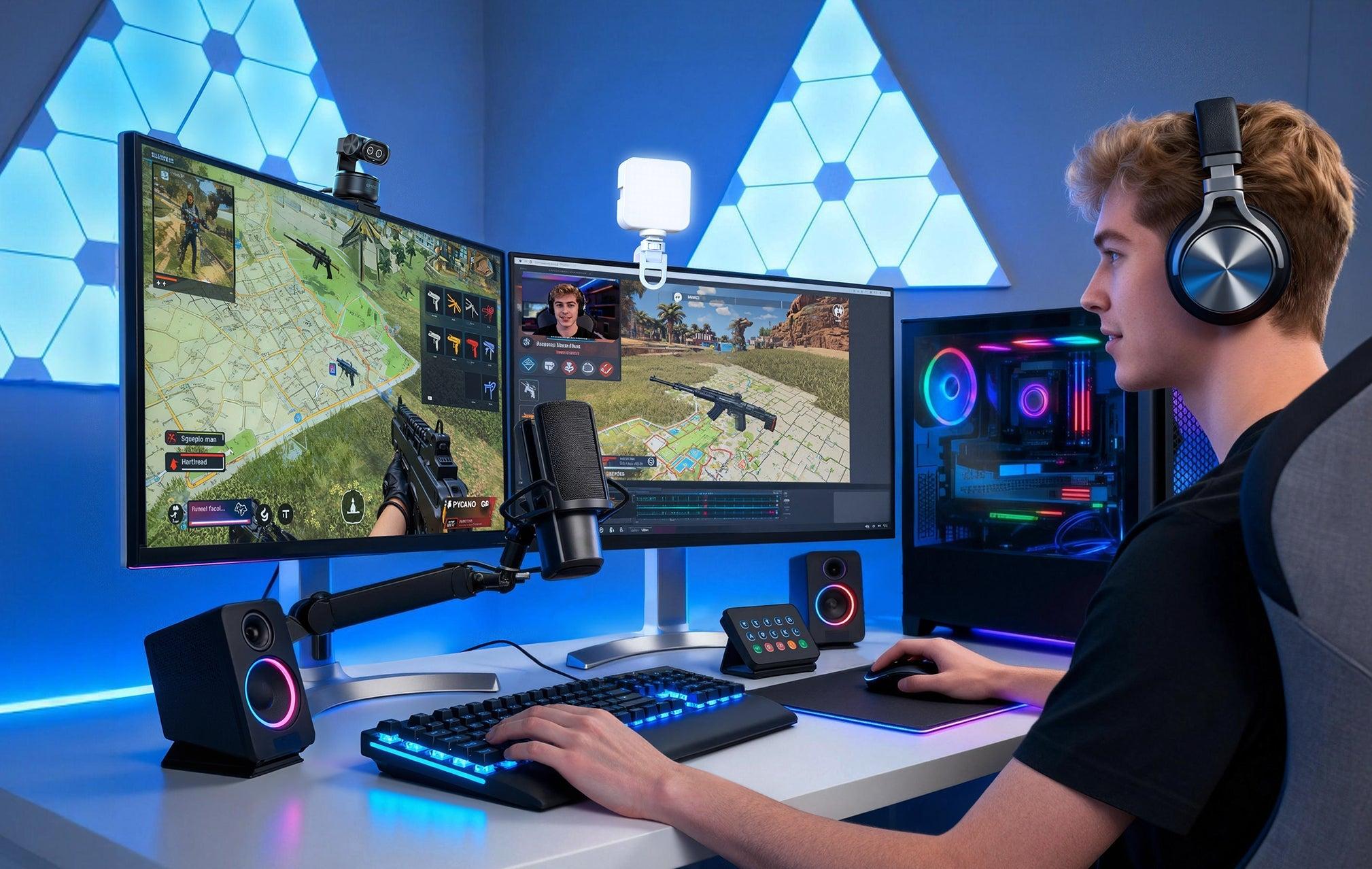
Another major factor behind the success of esports was the introduction of online streaming platforms.
Before streaming became popular, people mostly watched gaming competitions in person or through limited video coverage. Platforms such as Twitch and YouTube changed how fans experienced competitive gaming.
Viewers could watch professional players compete live, follow their favorite teams, and interact with other fans through online chats.
Streaming also created opportunities for gamers to become content creators. Professional players could share their gameplay, build personal audiences, and earn money through sponsorships, subscriptions, and other opportunities.
As more people started watching gaming content online, esports gained greater visibility across different countries.
4. Professional Esports Tournaments Attracted Millions of Fans
Professional tournaments played an important role in turning esports into a serious industry.
Instead of competing only for fun, skilled gamers began participating in organized leagues and international championships. These events introduced professional teams, coaches, training schedules, prize pools, and competitive rankings.
Some popular esports competitions include:
League of Legends World Championship
The International (Dota 2)
Counter-Strike Major Championships
Valorant Champions
These tournaments attract viewers from different parts of the world and create excitement similar to traditional sporting events.
Large competitions also take place in stadiums and arenas, where thousands of fans gather to watch professional gaming matches.
As tournaments became more organized, esports gained recognition as a form of professional competition.

5. Sponsorships and Investments Turned Gaming Into a Business
Esports did not become a global industry through competitions alone. Business investments and sponsorships also contributed significantly to its growth.
Technology companies, gaming brands, energy drink companies, clothing brands, and other businesses began supporting professional players and esports organizations.
These companies sponsor tournaments, provide gaming equipment, promote products, and collaborate with popular gaming personalities.
Esports organizations also generate income through several sources, including:
Brand sponsorships and advertising
Tournament prize money
Merchandise sales
Event tickets
Streaming and media partnerships
Content creation and brand collaborations
According to Grand View Research, the global esports market was valued at approximately $2.6 billion in 2025, with further growth projected. Market estimates can differ depending on which esports-related activities are included.
This commercial growth shows how competitive gaming has developed into an important part of the entertainment and digital business world.
6. Popular Video Games Helped Expand the Esports Industry
The success of esports is closely connected to the games that people enjoy watching and playing.
Different game genres attract different audiences. Some focus on strategy, while others require quick reactions, teamwork, and individual skills.
Popular esports games include:
League of Legends: A multiplayer online battle arena game known for its international tournaments and professional teams.
Counter-Strike 2: A competitive first-person shooter where teams use strategy, communication, and shooting skills to win matches.
Dota 2: A team-based strategy game famous for its competitive scene and major international tournaments.
Valorant: A tactical shooter that combines character abilities with competitive shooting gameplay.
Mobile Legends: Bang Bang: A mobile multiplayer battle arena game with a strong competitive following, particularly in Southeast Asia.
The variety of esports games allows people with different gaming interests to become players or fans.
7. Mobile Gaming Made Esports Accessible to More People
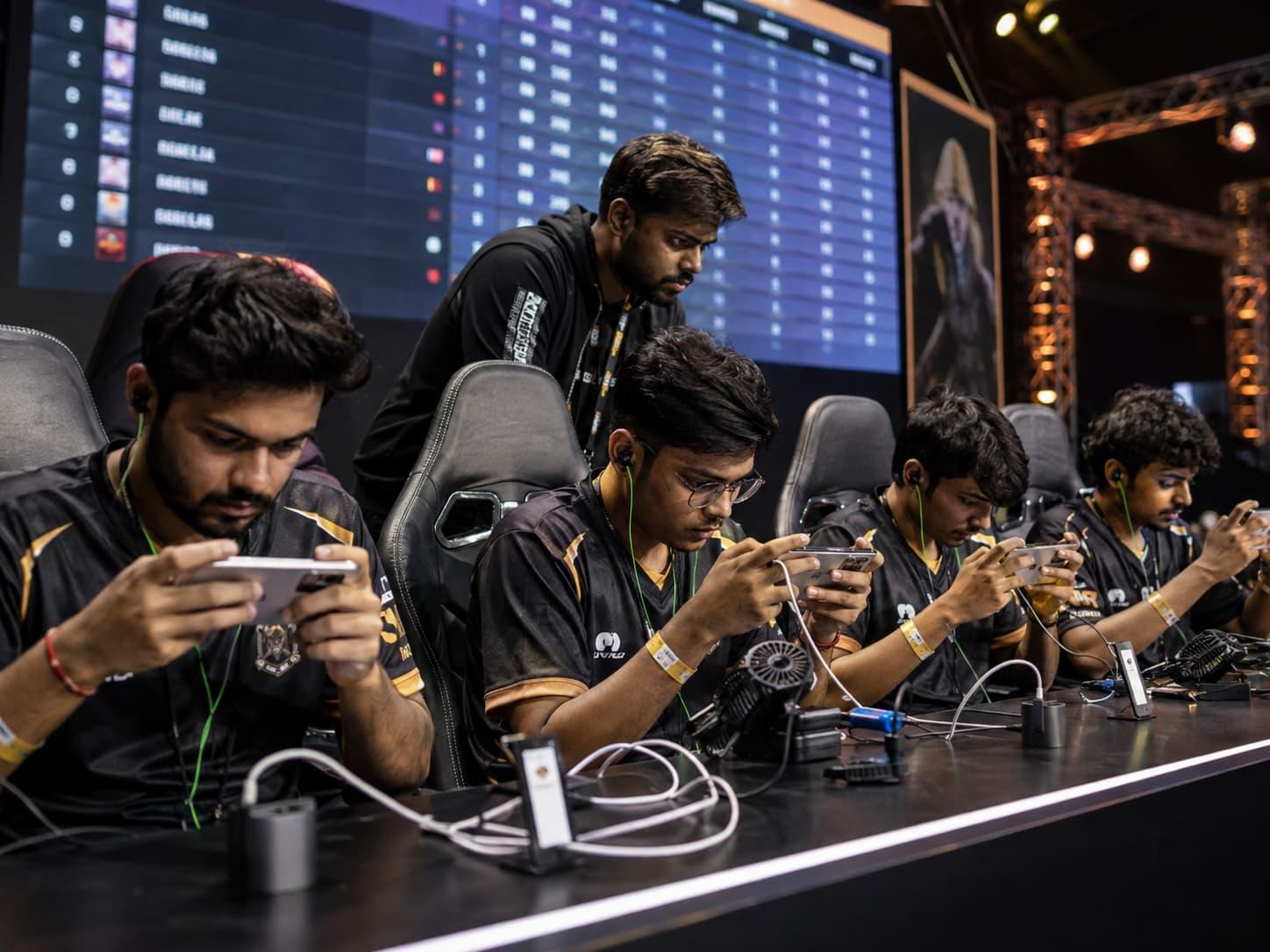
Mobile gaming has helped esports reach audiences who may not own expensive gaming computers or consoles.
Smartphones have made competitive gaming more accessible, particularly in regions where mobile devices are the most common way to play video games.
Games such as PUBG Mobile and Mobile Legends: Bang Bang have developed competitive communities and international tournament scenes.
Mobile esports also allows more players to participate in gaming competitions without investing in expensive equipment.
This accessibility has helped expand esports participation and viewership in Asia and other emerging gaming markets.
8. Esports Is Becoming Part of Mainstream Entertainment
Esports is no longer limited to gaming communities. It has become part of the wider entertainment industry.
Professional gaming events attract celebrities, influencers, sponsors, and media organizations. Some competitions are held in large arenas with live audiences, impressive stage designs, commentary, and professional production.
The International Olympic Committee has also explored the connection between esports and the Olympic Movement. In July 2024, the IOC approved the creation of the Olympic Esports Games, showing growing institutional interest in competitive gaming.
However, esports and traditional sports are not the same. They have different rules, formats, and governing structures.
Despite these differences, esports continues to gain recognition as a major form of digital entertainment.
9. The Future of the Global Esports Industry
The future of esports looks promising as technology and gaming communities continue to develop.
Faster internet connections, improved gaming devices, virtual reality, and artificial intelligence may create new experiences for players and viewers.
Several opportunities could shape the future of esports:
More professional careers: Gaming organizations may create additional opportunities for players, coaches, analysts, commentators, and event managers.
Improved streaming experiences: Better streaming technology can make competitions more interactive and accessible.
International tournaments: More countries may invest in gaming events and professional teams.
Mobile esports growth: Smartphone gaming can introduce competitive gaming to larger audiences.
New business partnerships: Companies may continue investing in esports through sponsorships, advertising, and collaborations.
However, the industry also faces challenges, including financial sustainability, player burnout, tournament costs, and dependence on game publishers.
For esports to achieve long-term success, organizations will need stable business models, responsible player management, and stronger competitive structures.
Frequently asked questions (FAQs)
1. When did esports become popular?
Esports started gaining wider popularity in the 1990s and grew rapidly with internet gaming and live streaming.
2. What is the biggest esports game?
League of Legends, Dota 2, Counter-Strike 2, and Valorant are among the major competitive esports games.
3. How do esports companies make money?
They earn through sponsorships, advertising, merchandise, tournament tickets, media partnerships, and other business activities.
4. Is esports a real career?
Yes. Players, coaches, commentators, analysts, streamers, and event organizers can build professional careers in esports.
5. What is the future of esports?
Esports is expected to continue developing through mobile gaming, better streaming technology, international competitions, and new business opportunities.
Conclusion
Esports has come a long way from small gaming competitions to an international industry followed by millions of fans. The internet, online streaming, professional tournaments, sponsorships, and mobile gaming have all contributed to its development.
Today, esports offers more than entertainment. It creates opportunities for professional players, content creators, businesses, event organizers, and technology companies.
As gaming technology continues to improve, esports is likely to remain an important part of the global entertainment industry. What started as a hobby for gaming enthusiasts has developed into a worldwide competitive culture with a growing economic impact.










Comments 0
Sign in to join the conversation.
No comments yet. Be the first to say something.