


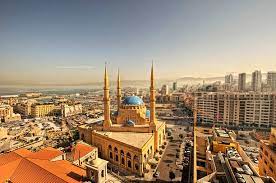
Beirut, Lebanon:
Hezbollah is well aware of Lebanon’s public opinion on widening the war with Israel for its relentless bombardment of the Gaza Strip since Hamas launched an attack on Israel on October 7, and that it has to tread carefully, analysts say.
In spite of Hezbollah chief Hassan Nasrallah’s careful mixing of condemnations of Israel with words of restraint in a speech on Saturday, Israel’s defence minister issued dire warnings against the Lebanese people.
Following that, there was a noticeable escalation in the attacks, which had started on October 8, between the two. Hezbollah launched attacks first, at Israeli positions in the Shebaa Farms, which it considers occupied Lebanese land.
Many wondered if this meant Hezbollah would enter the battle fully, but there was silence from its Secretary-General Hassan Nasrallah who waited weeks and then gave two speeches in eight days.
On November 11, Nasrallah spoke with relative restraint in his second speech, telling viewers that Hezbollah would expand its attacks on Israel to match their abuses of Palestinians or attacks on Lebanon but did not want to provoke a wider war.
The mismatch between Nasrallah’s tone and Israel’s response – promising to do to Beirut what it had done to Gaza – has raised questions including whether Israeli leaders have sensed some kind of hesitance or reluctance on the part of Nasrallah.
Palestinian presence in Lebanon
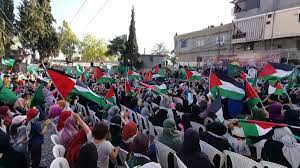
There has been a significant Palestinian presence in Lebanon since the 1967 war when large numbers of refugees came there seeking asylum.
Palestinian fighters from the Palestine Liberation Organization (PLO) used Lebanese territory to launch attacks on Israel, drawing retaliation and eventually becoming involved in the Lebanese Civil War from 1975 to 1990.
As such, some Lebanese communities retain a combination of trauma and animosity towards Palestinians. But even among those groups, there is widespread opposition to Israeli military actions against civilians in Gaza.
The confrontation with Israel seems to have reinvigorated Hezbollah, which seems more in tune than at any point since 2006. Still, despite that, Nasrallah and party leadership cadres will be making efforts to show the group as a rational actor that will not callously enter a wider war with Israel, analysts told Al Jazeera.
“Hezbollah does not have the same support they had in 2006,” Joseph Daher, author of Hezbollah: The Political Economy of Lebanon’s Party of God, told Al Jazeera. “Socially and politically they are much more isolated.”
In July 2006, Hezbollah and Israel fought a 34-day war that killed 1,150 people, mostly Lebanese civilians. Despite the damage and loss of Lebanese lives, the war was considered a draw, sending Hezbollah’s regional popularity soaring for their ability to confront Israel’s military power.
But in subsequent years, a series of domestic confrontations and their intervention in the Syrian civil war have eroded Hezbollah’s popular support outside their base.
In 2008, Hezbollah took over West Beirut when the Lebanese government attempted to dismantle its telecommunications network, angering many outside their direct support base. The party also saw dissent from past supporters during the 2019 October protests against the deteriorating situation in Lebanon.
In his speech on Saturday, Nasrallah cited “dissenting voices in Lebanon”, which could include figures like Prime Minister Najib Mikati and Druze community leader Walid Jumblatt, who have called to keep Lebanon out of a wider confrontation with Israel.
Some observers believe Nasrallah was referring to Lebanese Forces party leader Samir Geagea.
The right-wing nationalist Lebanese Forces are staunch opponents of Hezbollah and decry the group’s arms as undermining the centrality of the Lebanese state and the government’s power. While they aren’t an existential threat to Hezbollah, the group is aware of their opponent’s sentiments.
“Hezbollah doesn’t see the Lebanese Forces as a military threat,” Nicholas Noe, who edited Voice of Hezbollah: The Statements of Sayyed Hassan Nasrallah, said. “But they are a factor in their wider thinking.”
The Forces resent Hezbollah’s ability to wage war without the backing of the state but they and their allies have chosen not to be particularly vocal at this moment in time, Daher said.
Strategic calculations
“Hezbollah doesn’t want the war right now but if it comes … then so be it,” Noe said, adding that it is important for Hezbollah to show that if the war expands to the rest of Lebanon, it wasn’t due to “Hezbollah’s stupid mistakes or bald provocation”.
Whether this contributes to Israel’s belligerent language towards its northern neighbour, counting on the fact that Hezbollah will do everything it can to stay out of a big war, remains to be seen.
For the time being, Hezbollah’s calculations on the border with Israel are linked to military considerations in Gaza, according to Amal Saad Ghorayeb, author of Hizbu’llah: Politics and Religion.
And those calculations are strategically linked to Israel’s effectiveness in fighting Hamas, rather than civilian death tolls, Ghorayeb added.
Should Hamas be routed in Gaza, Hezbollah worries Israel will turn its attention to Lebanon, and so its strategy has been to divide the Israeli military’s attention, pulling the force of its full arsenal away from Gaza.
Hezbollah will prolong that tactic until the fighting in Gaza stops, according to Nasrallah. But a wider war would benefit neither Hezbollah nor its partner Iran.
A lot of analysis on Hezbollah has painted the group as beholden to Iran but it is wrong to call Hezbollah an Iranian puppet, Daher said. “Hezbollah, like Hamas, has agency and they discuss their options with Iran.”
Analysts – and a 2019 report by the think tank International Institute for Strategic Studies (IISS) – agree, saying Hezbollah acts in its own interests, despite enjoying support, coordination and collaboration with Iran.
In short, these analyses agree, Hezbollah isn’t waiting on Iran’s orders, though Iran might be advising their allies to do all they can to avoid expanding the war.
“Iran doesn’t want to lose Hezbollah, their crown jewel in the regional network of their influence,” Daher said.





Comments 0
Sign in to join the conversation.
No comments yet. Be the first to say something.