

Climate change and global warming are among the most serious environmental issues facing the world today. We often hear about rising temperatures, melting glaciers, unusual rainfall, floods, droughts, and extreme weather conditions. These changes are not just scientific discussions; they are affecting the lives of millions of people around the world. The environment is changing rapidly, and human activities are one of the major reasons behind this problem. Although the Earth has experienced natural climate changes throughout its history, the speed of the current changes is alarming. It is important to understand what climate change and global warming mean, why they happen, and what we can do to protect our planet. Global warming refers to the gradual increase in the average temperature of the Earth's atmosphere and oceans. The main reason behind this increase is the excessive release of greenhouse gases into the atmosphere. These gases include carbon dioxide, methane, and nitrous oxide. Normally, the Earth's atmosphere allows sunlight to enter and keeps some of the heat from escaping into space. This natural process is known as the greenhouse effect, and it helps maintain a temperature suitable for life. However, human activities have increased the concentration of greenhouse gases, causing more heat to become trapped in the atmosphere. As a result, the planet is becoming warmer. Climate change refers to long-term changes in temperature, rainfall, wind patterns, and other weather conditions. Global warming is one of the major causes of modern climate change. However, climate change includes more than just an increase in temperature. For example, some regions experience longer periods of drought, while others face heavy rainfall and flooding. Certain areas are becoming hotter, and some are experiencing changes in their seasonal patterns. These changes disturb natural systems and create difficulties for humans, animals, and plants. Major Causes of Climate Change and Global Warming
There are several reasons behind climate change, but human activities are the main cause of the current global warming trend.
1. Burning of Fossil Fuels
The burning of coal, oil, and natural gas is one of the biggest contributors to global warming. These fuels are used in vehicles, factories, electricity production, and many other activities. When they are burned, they release large amounts of carbon dioxide into the atmosphere, increasing the greenhouse effect.
2. Deforestation
Trees play an important role in maintaining environmental balance because they absorb carbon dioxide and release oxygen. Unfortunately, forests are being cleared for agriculture, construction, industries, and urban development. When trees are cut down, less carbon dioxide is absorbed from the atmosphere. This contributes to global warming and also destroys the natural habitats of many species.
3. Industrial Activities
Factories and industries release greenhouse gases through manufacturing processes and energy consumption. Some industrial activities also produce harmful chemicals that contribute to air pollution. The rapid growth of industries without proper environmental management has increased pressure on natural resources.
4. Agriculture and Livestock
Agriculture is necessary for human survival, but certain agricultural activities contribute to climate change. Livestock such as cattle produce methane during digestion. The excessive use of chemical fertilizers can also release nitrous oxide, which is a powerful greenhouse gas.
5. Increasing Population and Urbanization
As the human population increases, the demand for food, electricity, transportation, housing, and other resources also grows. More buildings, vehicles, and industries are established to meet these needs. This increases energy consumption, waste production, and environmental pressure.
Effects of Climate Change on the Environment
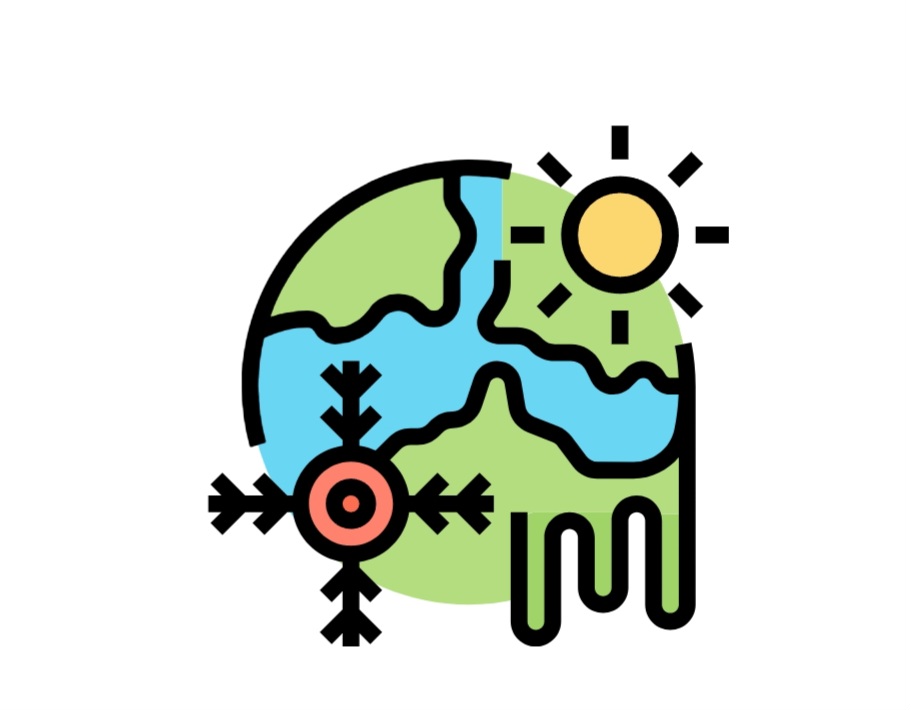
Climate change has serious effects on the natural environment. One of the most visible effects is the rise in global temperatures. Hotter conditions increase the frequency and intensity of heatwaves in many regions. Another major effect is the melting of glaciers and polar ice. As ice melts, sea levels rise, creating a threat to coastal areas and islands. People living near the sea may face flooding, erosion, and damage to their homes. Climate change also affects rainfall patterns. Some areas receive less rainfall and experience severe droughts, while others face heavy rain and floods. These extreme conditions damage agricultural land, forests, and natural ecosystems. Wildlife is also affected. Many animals depend on specific temperatures and habitats for survival. When their environments change too quickly, they may struggle to find food, shelter, and suitable places for reproduction. Some species may even face extinction.
Impact of Climate Change on Pakistan
Pakistan is among the countries that are highly vulnerable to climate change, even though its contribution to global greenhouse gas emissions is relatively small. One of the most serious examples was the devastating floods of 2022, which affected millions of people, destroyed houses, damaged crops, and caused enormous economic losses. Extreme rainfall, river flooding, and other factors contributed to this disaster. Pakistan also faces increasing heatwaves, especially in several parts of Sindh, Punjab, and Balochistan. High temperatures create health risks and increase the demand for water and electricity. Glaciers in northern Pakistan are also affected by rising temperatures. Their melting can increase the risk of glacial lake outburst floods. At the same time, changing rainfall patterns and water shortages create difficulties for farmers. Agriculture is particularly important for Pakistan's economy and employment. Changes in temperature and rainfall can reduce crop production and threaten food security. Therefore, climate change is not only an environmental problem but also an economic and social challenge for the country.
Effects on Human Health
Climate change can directly and indirectly affect human health. Extreme heat may cause dehydration, heat exhaustion, and heatstroke. Floods can contaminate drinking water and increase the risk of waterborne diseases. Air pollution can make breathing problems worse, especially for children, elderly people, and individuals with existing respiratory conditions. Changes in temperature and rainfall can also affect the spread of certain insect-borne diseases. Furthermore, natural disasters may cause emotional stress, financial difficulties, and the loss of homes and livelihoods. This shows that climate change affects almost every aspect of human life.
Solutions to Climate Change
Although climate change is a serious problem, there are several ways to reduce its effects. Governments, organizations, communities, and individuals all have important roles to play.
1. Planting More Trees: Tree plantation helps absorb carbon dioxide and improves environmental quality. Protecting existing forests is equally important.
2. Using Renewable Energy: Solar, wind, and hydropower can reduce dependence on fossil fuels and help lower greenhouse gas emissions.
3. Reducing Pollution: Factories should use cleaner technologies, and governments should introduce strict environmental rules to control harmful emissions.
4. Saving Electricity and Fuel: Turning off unnecessary lights, using energy-efficient appliances, and choosing public transportation can reduce energy consumption.
5. Proper Waste Management: Recycling materials, reducing plastic use, and avoiding unnecessary waste can help protect the environment.
6. Environmental Education: People should be educated about climate change and its consequences. Schools, colleges, and universities can organize awareness programmes to encourage environmentally responsible behaviour.
Role of Individuals and Government
Protecting the environment is not only the responsibility of governments. Every individual can contribute through small but meaningful actions. People can plant trees, save water, avoid burning waste, reduce plastic consumption, and keep their surroundings clean. At the same time, governments must develop effective environmental policies. They should invest in renewable energy, improve public transportation, protect forests, and prepare communities for natural disasters. Countries should also work together because climate change is a global issue that cannot be solved by one nation alone. Climate change and global warming are serious challenges that threaten the environment, human health, agriculture, wildlife, and future generations. Human activities such as burning fossil fuels, deforestation, industrialization, and excessive resource consumption have increased the problem. Countries like Pakistan are already experiencing the consequences through floods, heatwaves, water shortages, and agricultural difficulties. However, it is not too late to take action. By protecting forests, using clean energy, reducing pollution, and spreading environmental awareness, we can help reduce the damage. Every small effort matters when it comes to protecting our planet. Earth is our only home, and keeping it safe is a shared responsibility. We must act today so that future generations can enjoy a cleaner, healthier, and safer world.








Comments 0
Sign in to join the conversation.
No comments yet. Be the first to say something.