

Artificial Intelligence and the Changing Nature of Global Power
International politics has always been shaped by the competition for power. In the past, military strength, economic resources and territorial influence were considered the main indicators of a country's position in the world. However, the rapid development of Artificial Intelligence (AI) is gradually changing this understanding. Today, competition between major powers is no longer limited to weapons, trade or geographical influence. Technology, particularly AI, is becoming an increasingly important component of national power, and the growing rivalry between the United States and China is perhaps the clearest example of this transformation.
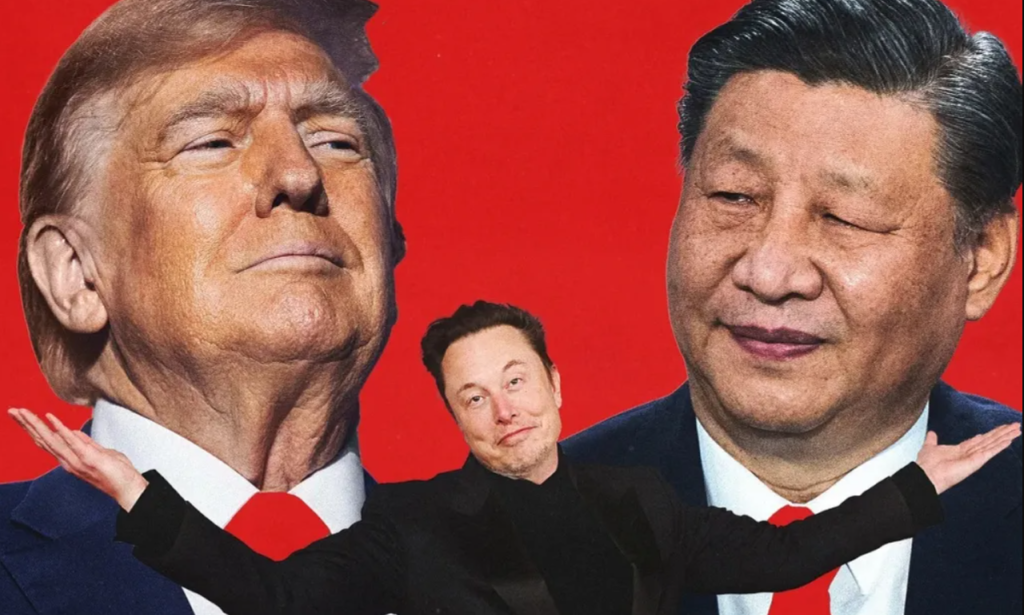
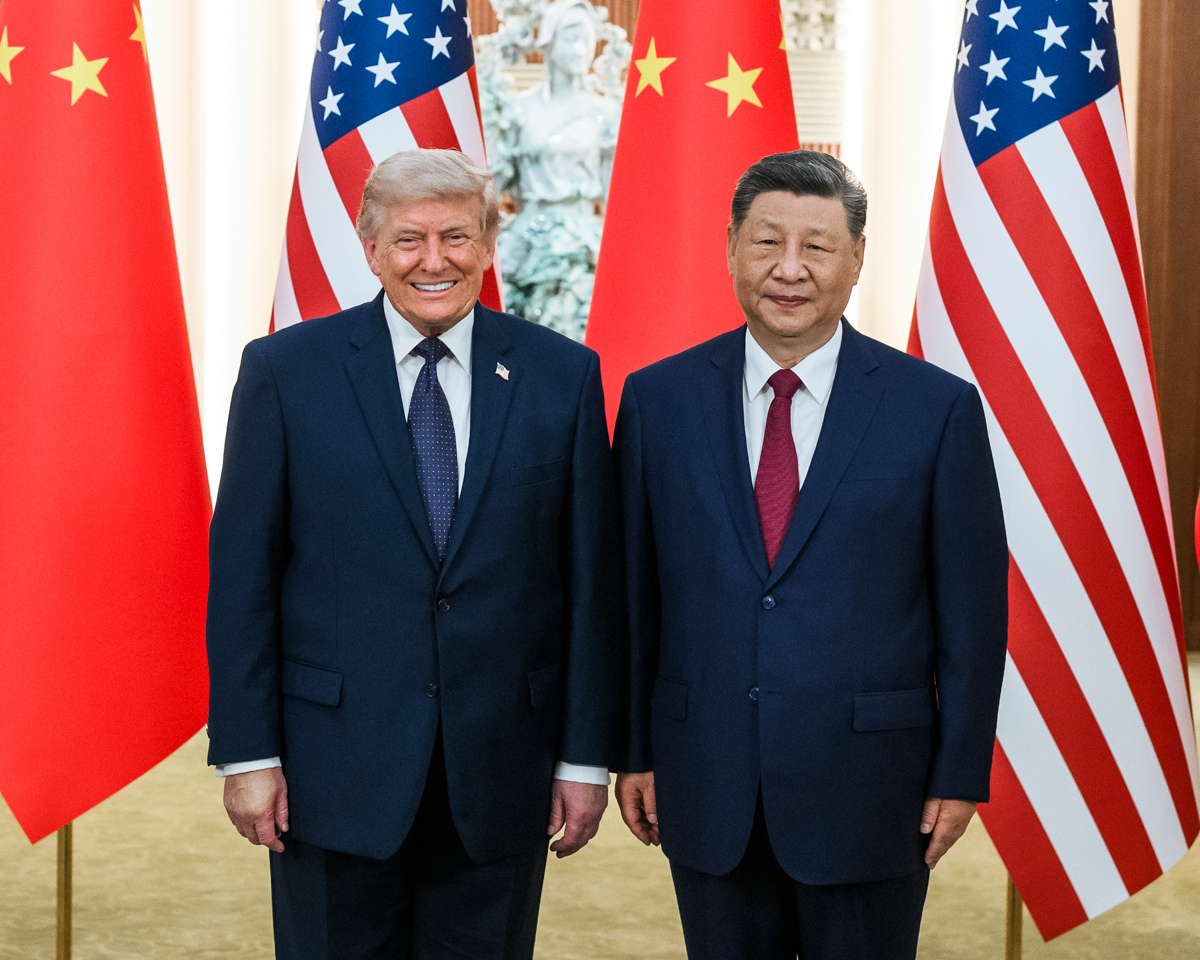
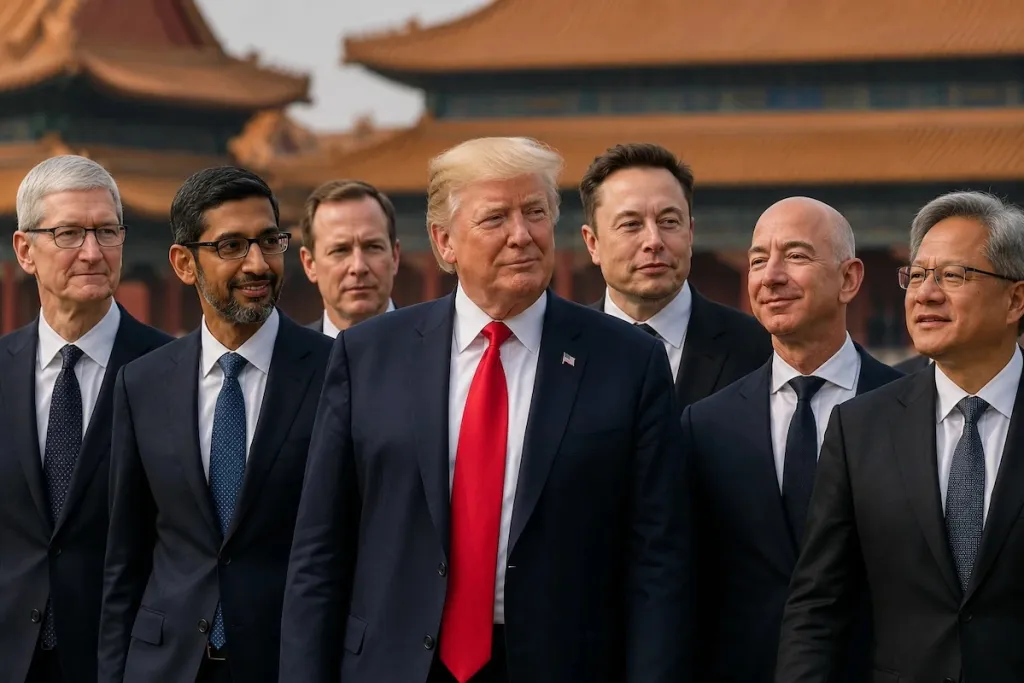
The recent visit of US President Donald Trump to China in May 2026 provides an interesting perspective on this competition. During his meeting with Chinese President Xi Jinping in Beijing, discussions covered trade, advanced technology, artificial intelligence and semiconductor exports. The presence of prominent American business figures, including Elon Musk and Nvidia's Jensen Huang, also highlighted the importance of technological and commercial interests in bilateral relations. Discussions surrounding AI safeguards and access to advanced Nvidia chips demonstrated that technology has become an important subject in negotiations between the two countries. Despite certain economic understandings, their deeper strategic differences remain intact.
This visit was significant for another reason: it demonstrated that diplomatic engagement between major powers does not necessarily eliminate their competition for international influence. Both countries recognise that leadership in artificial intelligence could provide substantial economic, military and strategic advantages. The subsequent September 2026 summit in Washington, during Xi Jinping's visit, further highlighted the importance of managing AI-related risks while maintaining technological competition.
The Politics of Power: A Realist Perspective on AI
From an International Relations perspective, the growing rivalry can be understood through the theory of Realism, particularly Structural Realism. Realists believe that states operate in an international system where no central authority can guarantee their security. Consequently, countries must develop their own capabilities and protect their national interests. This explains why powerful states are reluctant to depend on their competitors for technologies that may affect their national security.
The United States has long enjoyed a leading position in global technology. Its research institutions, private companies, semiconductor industry and military capabilities have provided it with considerable advantages. China, however, has made remarkable progress in recent years. Its investment in artificial intelligence, digital infrastructure and domestic technological development has raised concerns in Washington about the possibility of losing its technological advantage.
The competition is not simply about producing more advanced AI software. Semiconductor chips, computing infrastructure, access to data and skilled human resources are equally important. American restrictions on advanced chip exports to China reflect Washington's concerns that access to sensitive technology could strengthen a strategic competitor. From a realist viewpoint, limiting another state's technological capabilities can also be a means of protecting one's own position in the international system.
The military implications of AI make this competition even more significant. Artificial intelligence can help armed forces analyze intelligence, monitor potential threats and process information more quickly. It may also improve surveillance, cyber operations and certain autonomous military systems. In a future conflict, the ability to process information and respond quickly could become as important as conventional military strength.
However, there is also a serious risk. If one country believes that its rival is developing superior military technology, it may increase its own investments to avoid falling behind. The rival may respond in the same way, creating a continuous cycle of competition. This is closely related to the realist concept of the security dilemma, in which measures taken by one state to improve its security can make another state feel threatened.
Strategic Implications: Global Competition and Pakistan's Position
Nevertheless, technological competition does not necessarily mean that military confrontation is inevitable. The United States and China remain economically interconnected, and both have reasons to avoid a major conflict. Their diplomatic engagements demonstrate that cooperation is still possible, even between strategic competitors. The real challenge for both countries will be to maintain this balance without allowing technological rivalry to develop into a wider security crisis.
Another concern is that the growing importance of AI could widen the gap between developed and developing countries. States with strong economies, advanced research institutions and access to computing infrastructure are naturally in a better position to benefit from this technology. Meanwhile, countries that depend heavily on foreign technology may struggle to compete. This could create a new form of international dependency in which technological leadership becomes another source of political and economic influence.
For Pakistan, this competition should not be viewed as an issue concerning only Washington and Beijing. Artificial intelligence has direct implications for our national security, economic development and strategic autonomy. Pakistan needs to invest in research, develop local technological expertise and improve its digital infrastructure. Depending entirely on external technologies may create difficulties in making independent strategic decisions in the future. Maintaining balanced relations with major powers is important, but it should go hand in hand with strengthening our own technological capabilities.
The US-China rivalry makes one thing increasingly clear: the sources of power in international politics are changing, but the struggle for power itself remains the same. States continue to seek security, influence and strategic advantages over others. What is different today is the growing importance of technology in achieving these objectives. Ultimately, the escalating AI competition between Washington and Beijing is no longer merely a technological race; it is a fundamental struggle over who gets to shape the rules of the future. While the United States relies on technological restrictions and advanced proprietary systems to protect its position, China's growing investment in open-source AI and state-led technological infrastructure presents an alternative model of global technological influence.
Artificial intelligence is therefore much more than a modern technological development. It is becoming an important instrument through which states may strengthen their international position. The countries that understand this transformation and invest in their technological capabilities today will be better prepared to influence the international order of tomorrow. The competition between the United States and China is not merely about who develops better AI systems; it is also about who will have a greater say in shaping the future of global politics.








Comments 0
Sign in to join the conversation.
No comments yet. Be the first to say something.