

Introduction
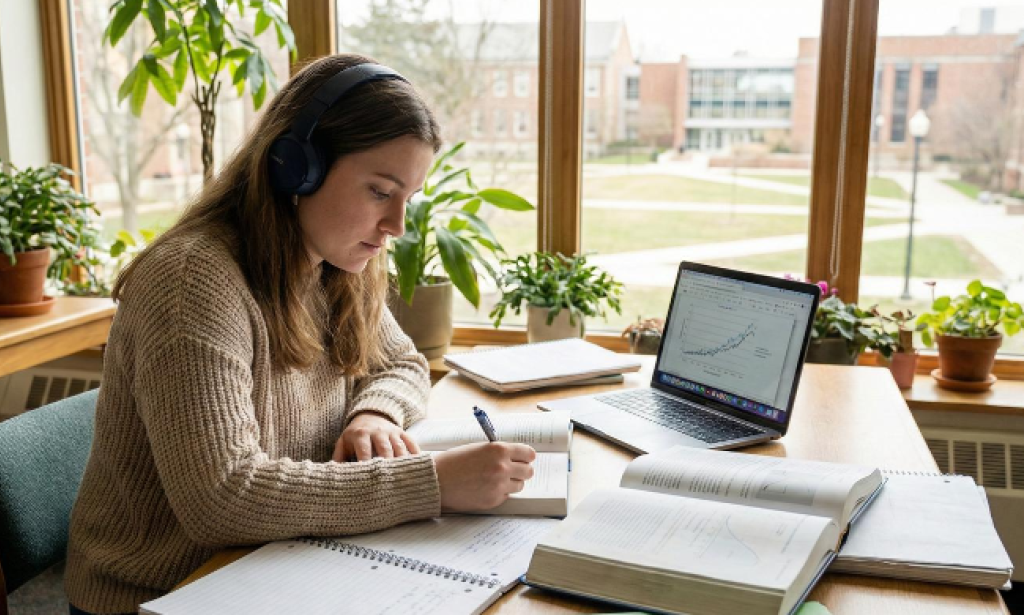
Learning is an important part of life. Every student goes to school or college to gain knowledge, but education is not only about reading books and passing exams. It is also about learning new skills that can help us in our daily lives and future careers.
Today, the world is changing very quickly. New technology, different jobs, and new opportunities are appearing every day. Students need more than classroom knowledge to prepare for the future. They also need practical skills, confidence, creativity, and the ability to solve problems.
Learning a new skill may seem difficult at first, but even small steps can make a big difference. Whether it is improving English, learning computer skills, writing, designing, or communication, every useful skill can help students grow.
1. Skills Make Students More Confident
Confidence is important for every student. Sometimes students feel nervous when they have to speak in front of others, try something new, or complete a difficult task.
Learning a new skill can help them become more confident. For example, a student who practises speaking English regularly may slowly become more comfortable communicating with other people.
Confidence does not develop in one day. It grows through practice, patience, and experience. Every small achievement can encourage students to try something more challenging.
Students should remember that making mistakes is a normal part of learning. Instead of feeling embarrassed, they can use mistakes as opportunities to improve.
2. Learning Skills Creates Better Career Opportunities
Many students worry about their future careers. They want to find good jobs and become independent, but they may not know where to begin.
Learning useful skills can help them prepare for different career opportunities. For example, computer knowledge, communication, writing, graphic design, and problem-solving are useful in many professional fields.
Students can start learning these skills while continuing their education. They do not need to master everything at once. Choosing one skill and practising it regularly is a good beginning.
Practical skills can also help students understand their interests. Someone who enjoys writing may explore content writing, while a student interested in technology may learn basic computer programming.
3. Students Can Learn Through Free Online

Resources
The internet has made learning easier for many people. Students can find educational videos, articles, tutorials, and free courses on different subjects.
They can use online resources to improve their English, learn computer basics, understand difficult topics, or explore creative skills.
However, students should choose reliable learning resources. Not every website or video provides correct information. It is helpful to compare information and learn from trusted educational sources.
Students should also remember that spending too much time watching videos without practising may not lead to real improvement. The best way to learn is to understand something and then try it themselves.
4. Time Management Helps Students Learn Better

Students often have busy schedules. They attend classes, complete homework, prepare for examinations, and manage family responsibilities.
Because of this, they may think they do not have enough time to learn an additional skill. However, learning does not always require several hours every day.
Even 20 to 30 minutes of regular practice can be useful. Students can create a simple timetable that gives time to their studies and personal learning.
For example, they can practise writing for 20 minutes, learn a new computer feature, or watch one educational lesson and complete a small activity.
The important thing is consistency. A little progress every day can become meaningful improvement over time.
5. Skills Improve Problem-Solving Abilities
Life is full of challenges. Students sometimes face difficult questions, unexpected situations, or problems that require careful thinking.
Learning different skills can improve the way students approach these situations.
For example, computer activities can teach logical thinking, while writing can help students organise their ideas clearly. Team activities can teach cooperation and communication.
Problem-solving is not about knowing every answer immediately. It is about understanding a problem, considering possible solutions, and choosing a sensible way forward.
These abilities are useful in education, professional life, and everyday situations.
6. Communication Is an Important Life Skill
Communication means sharing ideas and information with other people. It includes speaking, listening, reading, and writing.
Good communication can help students participate in class, ask questions, work with classmates, and express their thoughts.
Students who want to improve their communication skills can begin with simple activities. They can read short articles, practise explaining what they have learned, and listen carefully when others are speaking.
Learning another language can also create opportunities to communicate with more people. However, students should not feel ashamed of making mistakes while practising. Improvement takes time.
7. Creativity Helps Students Discover Their Interests
Every student has different interests. Some enjoy drawing, others like writing, photography, music, technology, or sports.
Creative activities allow students to explore their interests and express their ideas.
For example, a student who enjoys photography can learn basic photo editing. Someone who likes stories can practise creative writing. A student interested in design can explore simple graphic design tools.
Creativity is not limited to artistic activities. It also involves finding new ways to understand information and solve problems.
Trying different activities can help students discover what they enjoy and what they would like to learn further.
8. How Can Beginners Start Learning a New Skill?
Starting something new can feel confusing, especially when students have no previous experience. The easiest approach is to begin with a clear and realistic plan.
Here are some simple steps:
Choose one skill: Start with something that matches your interests or future goals.
Set a small goal: Decide what you want to learn during the first week.
Find learning material: Use books, tutorials, educational websites, or free online lessons.
Practise regularly: Give yourself a little time every day or several times a week.
Learn from mistakes: Do not expect perfect results immediately. Review your work and improve it.
Track your progress: Keep a notebook or folder to save your practice work and notice your improvement.
Students should avoid comparing their beginning with someone else's years of experience. Everyone learns at a different speed.
Conclusion
Learning new skills is an important part of personal and professional development. It helps students become more confident, improve communication, develop problem-solving abilities, and prepare for future opportunities.
Students do not need expensive courses or advanced equipment to begin learning. Many useful skills can be explored through books, practice, and free educational resources.
The most important thing is to stay curious and keep trying. Every new skill begins with a small step. Students who make learning a regular part of their lives can continue improving and discovering new opportunities.
Remember, education gives us knowledge, while practical skills help us use that knowledge in real life. Start small, stay consistent, and never stop learning.







Comments 0
Sign in to join the conversation.
No comments yet. Be the first to say something.