

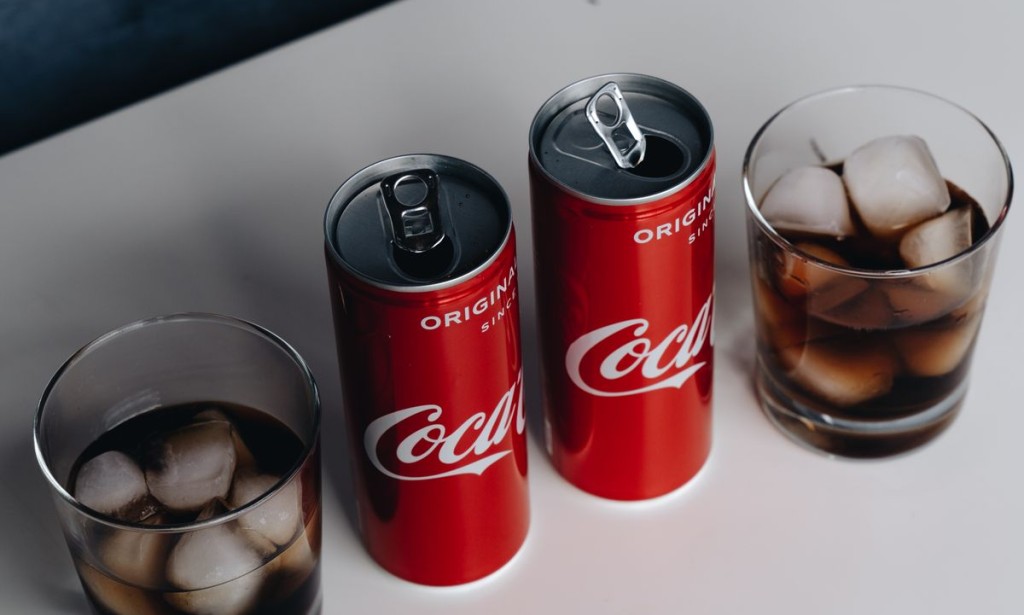
Walk down any supermarket aisle and the bottles start making promises. Fat burning. Metabolic. Flat tummy. The labels are written to sell, and the liquid inside is almost never the reason anyone loses weight. That does not make drinks useless. It means the ones that help do so for ordinary reasons: they take up space in the stomach, they carry protein or fibre, they replace something sweeter, and they keep a person hydrated enough to mistake thirst for hunger less often.
This guide looks at what a weight loss drink can realistically contribute inside a plan built on a sustained calorie deficit. It separates the mechanisms that evidence supports from the claims that marketing invented, says plainly where the effect is small, and gives concrete ways to use drinks without turning them into a source of hidden calories.
The deficit is the engine that moves the scale
Nothing in a cup overrides arithmetic. Weight falls when the energy a body takes in sits below the energy it spends, and it rises when the reverse is true. A drink cannot change that equation on its own; it can only nudge one side of it. This is why a green tea habit layered onto an unchanged diet produces almost nothing, while the same habit inside a plan that already works simply adds a pleasant ritual. Anyone selling a beverage as the cause of weight loss is selling the wrong thing. The deficit is the cause. Drinks are accessories.
What a drink can realistically contribute
Four functions are worth caring about. Satiety, because liquid occupies stomach volume and, when it contains protein or fibre, slows the return of hunger. Hydration, which supports normal exercise tolerance and everyday body function. Substitution, because a drink can take the place of a sugary one and remove calories without requiring restraint at the table. And protein delivery, which matters when total intake is low and lean mass is at risk during a deficit. Everything else, from enzyme activation to toxin flushing to metabolic acceleration, either does not happen or is far too small to plan a diet around. The NHS healthy weight guidance treats drinks as one part of total energy intake for exactly this reason.
Blended drinks keep fibre but skip the chewing that signals fullness.
Protein is the lever with the clearest evidence
Protein has the strongest support of any drink ingredient for appetite control. It is more satiating per calorie than fat or carbohydrate in most controlled feeding studies, and higher protein intakes help preserve lean mass when calories are restricted. That does not mean a shake replaces a meal. It means a drink carrying twenty to thirty grams of protein can hold a hungry stretch between meals, especially when the alternative is a biscuit. Dairy options, including plain milk and unsweetened yogurt drinks, do this cheaply. Plant blends work too, though many contain less protein per scoop, so read the panel rather than the front of the tub.
Fibre and volume: fullness without many calories
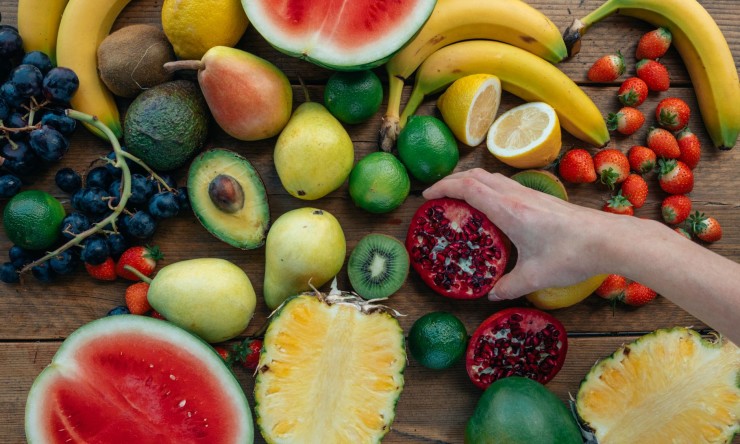
Whole fruit blended into a drink keeps its fibre, and fibre slows gastric emptying, which stretches the feeling of fullness. Vegetables add volume for very few calories. The catch is that blending removes the chewing that normally signals satiety, so the same fruit eaten whole tends to satisfy more than the same fruit drunk. A practical rule: keep the pulp, skip the juice, and treat a smoothie as food rather than as a beverage you drink alongside food.
Substitution beats addition
Most of the weight loss that comes from drinks is really weight loss from what people stop drinking. A daily sugary soft drink or sweetened coffee carries a meaningful share of a day's calories while doing nothing for hunger. Swapping it for water, sparkling water, or unsweetened tea removes those calories permanently and asks nothing of you once the habit settles. Addition works the other way: a protein shake poured on top of a full diet adds energy. The difference between replacing and adding is where most drink advice quietly fails.
Green tea, coffee, and the size of the effect
Caffeine produces a small, short-lived rise in energy expenditure, and green tea contains catechins that have been studied for fat oxidation. Reviews of the trials find effects that are statistically detectable and practically tiny, often a few dozen calories a day at best. None of that is a reason to start drinking either one, and none of it is a reason to stop if you enjoy them. The honest summary: the effect exists, it is small, and it varies.
Reading the label instead of the bottle
The front panel is marketing. The nutrition panel is data. Check the serving size first, because many bottles hold two or three servings. Compare sugar per serving with total calories, then look at protein and fibre. Words such as natural, cleanse, and metabolic carry no useful legal meaning. A drink with twenty grams of sugar and a splash of aloe is still a sugary drink.

Green tea is pleasant and mildly useful, not a fat burner.
Safety, and who should ask first
Caffeine should stay under roughly 400 mg a day for most healthy adults, and far lower in pregnancy, where about 200 mg is the usual guidance. Anyone with diabetes needs to count the carbohydrate in fruit drinks and sweetened shakes. People with chronic kidney disease should not raise protein intake without medical advice, and liver disease changes how fluid and protein are handled. Blended drinks are easy to over-consume for anyone with a history of disordered eating, because liquids bypass the fullness cues solid food provides. Acidic drinks sipped slowly through the day soften dental enamel, so drink rather than nurse, and rinse with plain water afterwards. If any of this applies to you, speak to a clinician or a registered dietitian before building a plan around drinks. The Mayo Clinic weight loss overview is a reasonable starting point for the wider picture.
Frequently Asked Questions
Do weight loss drinks work without changing my diet? No. A drink can reduce hunger or replace a sugary item, but if total energy intake stays above expenditure, weight does not fall. Products that promise otherwise are overselling.
How much water should I drink to lose weight? There is no magic number tied to fat loss. Drink enough that urine stays pale yellow, and use a glass before meals if it helps you eat a little less. Two litres is a common rough guide, not a rule.
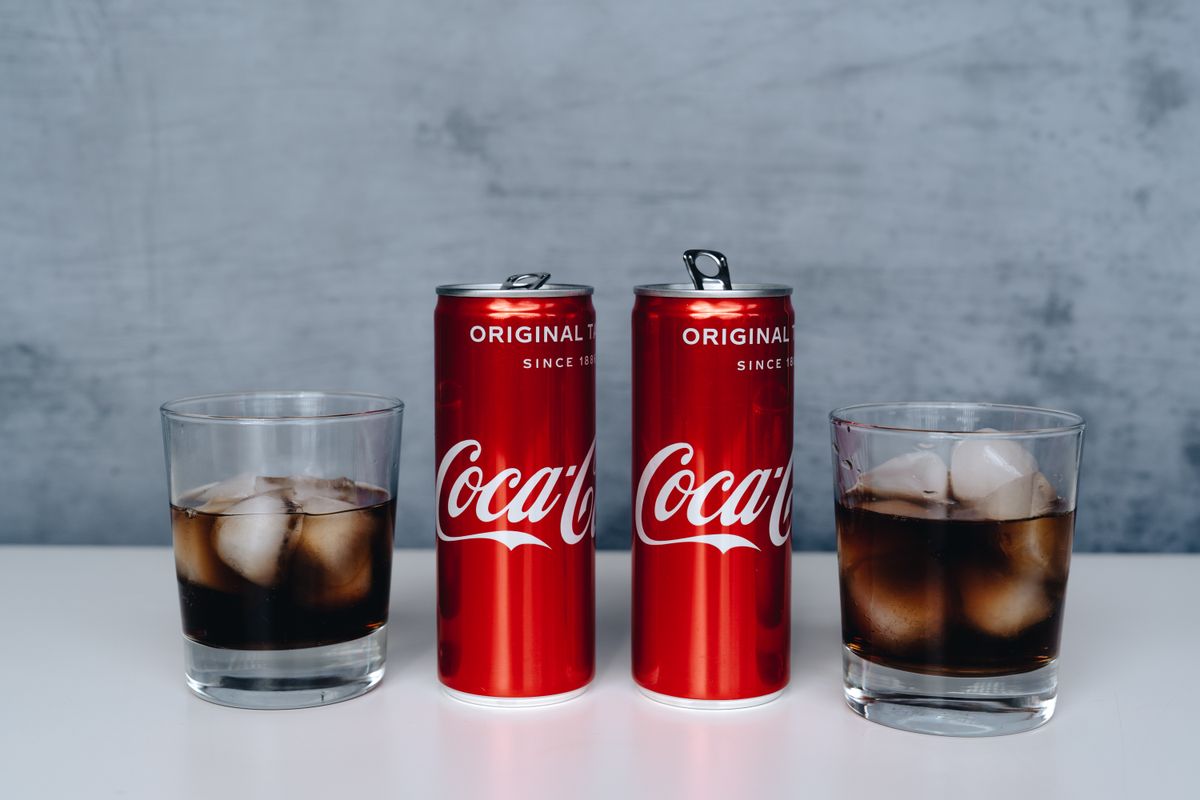
Are diet sodas a good swap? They remove sugar and calories, which is useful if they replace regular soda. They do not improve diet quality, and some people find them keep a sweet craving alive. Water is better; diet soda is usually better than the sugary version.
Is it better to drink calories or eat them? Eat them, in general. Solid food demands chewing and tends to register as a meal. Liquid calories slip past appetite regulation, so they are easy to overdo.
Can a drink replace a meal? Occasionally, and badly. A shake with protein, fibre, and some fat can stand in for breakfast now and then. Replacing most meals with drinks makes protein and micronutrient targets hard to hit and is difficult to sustain.
Conclusion
Pick drinks that do one of four jobs: fill you up, hydrate you, carry protein, or replace something sweeter. Ignore the rest of the label. Keep the deficit intact, use a glass of water before meals if it helps, and treat tea and coffee as small bonuses rather than strategies. That is the whole of it, and it is enough.








Comments 0
Sign in to join the conversation.
No comments yet. Be the first to say something.