

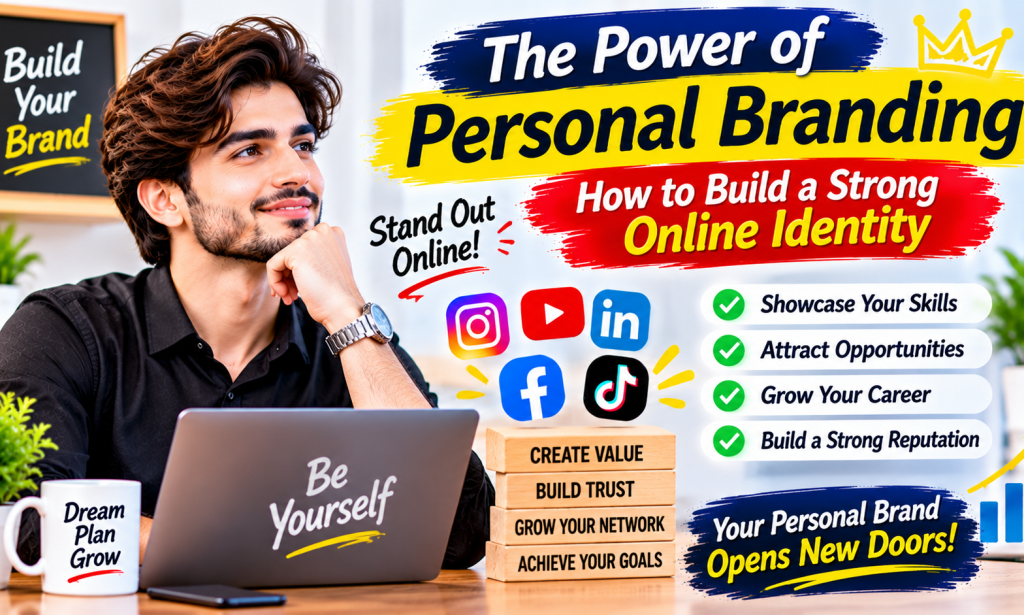
The Power of Personal Branding: How to Build a Strong Online Identity
Introduction
In today's digital world, having a strong online identity can create many opportunities. Whether you are a student, freelancer, business owner, or content creator, personal branding can help people understand who you are and what you offer.
Personal branding means creating a professional identity that represents your skills, experience, interests, and values. It helps you stand out from others and build trust with your audience.
Social media platforms have made personal branding more accessible than ever. People can share their knowledge, showcase their work, and connect with audiences around the world.
However, building a strong personal brand requires more than simply creating social media accounts. It takes planning, consistency, creativity, and patience.
Let's explore how you can develop a successful personal brand.
1. Understand Your Personal Brand
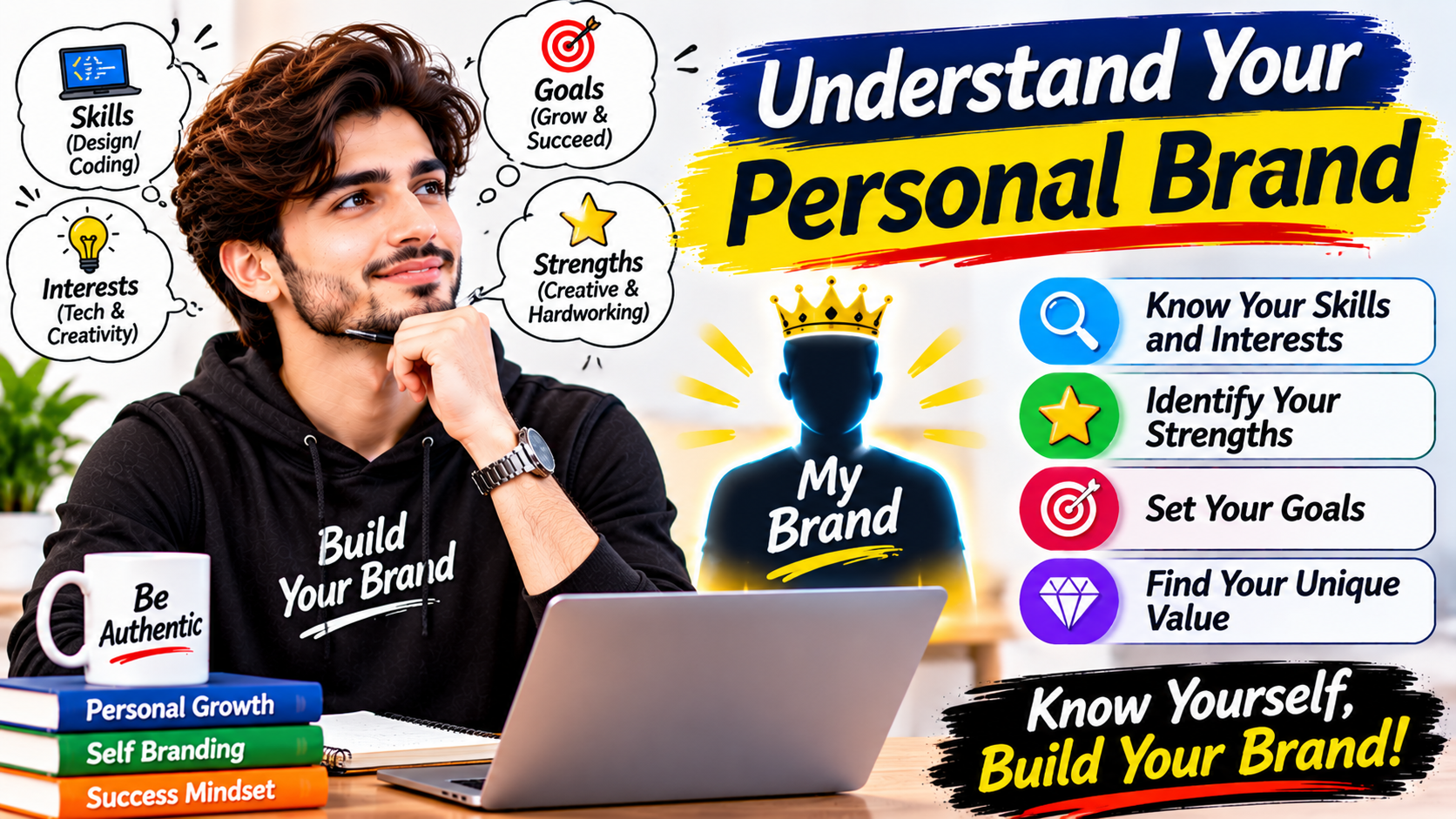
The first step is understanding what you want people to know about you.
Think about your skills, interests, strengths, and goals. For example, you might be interested in graphic design, digital marketing, technology, education, fashion, or business.
Choose an area that represents your knowledge and interests.
Your personal brand should communicate your identity clearly. When people visit your profile, they should understand what type of content you create and what value you provide.
A clear identity makes it easier to attract the right audience.
2. Choose the Right Social Media Platforms
Social media plays an important role in personal branding. However, you do not need to create accounts on every platform.
Choose platforms that match your goals.
- Instagram is useful for visual content and creative portfolios.
- Facebook helps connect with communities and potential customers.
- TikTok is suitable for short educational and entertaining videos.
- LinkedIn is useful for professional networking.
- YouTube allows you to publish longer educational and informative videos.
Start with one or two platforms and learn how they work.
Focus on creating valuable content instead of trying to become popular everywhere.
3. Create a Professional Profile
Your social media profile is often the first thing people see when they discover you.
Choose a clear profile picture and a professional username. Write a short biography explaining who you are and what you do.
For example, a graphic designer can write:
"Creative Graphic Designer | Social Media Posts | Custom Poster Designs | Digital Creativity."
Use a consistent profile picture, username, and visual style across your platforms whenever possible.
A professional profile helps people recognize your identity and understand your services.
4. Share Valuable Content
Content is one of the most important parts of personal branding.
Share information that helps, educates, entertains, or inspires your audience.
For example, a graphic designer can publish design samples and creative tips. A business enthusiast can share useful business ideas and marketing knowledge.
You can create different types of content, including:
- Educational posts.
- Short videos.
- Informative articles.
- Tutorials.
- Personal projects.
- Creative designs.
Try to make your content useful and original.
Instead of posting only promotional messages, provide information that gives people a reason to follow your profile.
5. Maintain Consistency
Consistency helps people become familiar with your brand.
If you publish content regularly, your audience has more opportunities to discover your work.
Create a simple content schedule that fits your daily routine. You might publish educational posts during the week and share creative projects at weekends.
You do not need to publish several posts every day.
Focus on quality and choose a schedule you can maintain.
Over time, consistent publishing can help you develop a recognizable online presence.
6. Build Trust with Your Audience
Trust is essential for a strong personal brand.
Always share accurate information and communicate honestly with your audience.
If you offer a service, explain what customers can expect. Show examples of your actual work and avoid making unrealistic promises.
Respond to comments and questions politely. Appreciate genuine feedback and use it to improve your content.
People are more likely to remember a brand when they have positive experiences with it.
Building trust takes time, but it can create valuable long-term relationships.
7. Develop New Skills
The digital world changes quickly. New platforms, tools, and content trends appear regularly.
Learning new skills can help you improve your personal brand and create better opportunities.
Some useful skills include graphic design, video editing, communication, writing, digital marketing, photography, and basic website development.
You can learn through online courses, educational videos, practical projects, and reading informative articles.
You do not need to learn everything at once.
Choose one skill, practice regularly, and gradually expand your knowledge.
8. Use Visual Identity Effectively
Visual identity helps people recognize your personal brand.
Choose a consistent color combination, typography, and design style for your social media content.
For example, if you create educational content, use clean layouts and readable text. If you work in graphic design, showcase your creativity through professional portfolio images.
Avoid changing your entire visual style with every post.
Consistency in design creates a more organized and recognizable appearance.
Your visual identity should support your message rather than distract people from it.
9. Connect with Other People
Networking is another important part of personal branding.
Connect with people who share similar interests, skills, or professional goals.
You can participate in online communities, join discussions, and interact with creators in your field.
When commenting on other people's posts, provide meaningful feedback instead of writing random promotional messages.
Building genuine professional relationships can introduce you to new ideas, collaborations, and opportunities.
Remember that networking is about creating valuable connections, not simply increasing your follower count.
10. Track Your Progress

To improve your personal brand, understand which activities are producing useful results.
Most social media platforms provide analytics that show information about audience engagement, profile visits, views, and content performance.
Review these statistics regularly.
For example, if educational videos receive more engagement than ordinary promotional posts, you can create more useful educational content.
However, do not judge your success only by likes and followers.
Other important results include improved skills, professional connections, customer inquiries, and opportunities to showcase your work.
Use available information to improve your strategy.
11. Avoid Common Personal Branding Mistakes
Many people make mistakes when building their online identity.
One common mistake is trying to copy another creator completely. Inspiration is useful, but your personal brand should have its own identity.
Another mistake is sharing inaccurate information or making unrealistic claims about your skills.
Some people also lose consistency because they expect immediate results.
Avoid these problems by staying honest, developing original ideas, and focusing on long-term improvement.
Protect your personal information and be careful when communicating with unknown accounts online.
A professional and responsible approach can help you maintain a positive online reputation.
12. Think About Your Long-Term Goals
Personal branding should support your future goals.
You might want to become a freelancer, launch a business, find professional opportunities, or build an educational platform.
Think about where you want your personal brand to be in the next year.
Set realistic goals and divide them into smaller steps.
For example, you can begin by improving your profile, publishing useful content, developing a portfolio, and connecting with people in your industry.
Small improvements can gradually create meaningful progress.
Conclusion
Personal branding is an important part of the modern digital world. It allows people to showcase their skills, share their knowledge, connect with others, and create professional opportunities.
Building a strong online identity does not happen overnight. It requires a clear direction, valuable content, consistent effort, and honest communication.
Choose the right platforms, develop your skills, create a professional profile, and focus on building trust with your audience.
Remember, your personal brand is more than a username or profile picture. It represents the value you provide and the impression people remember.
Start building your online identity today and take small steps toward a stronger digital future.






Comments 0
Sign in to join the conversation.
No comments yet. Be the first to say something.