

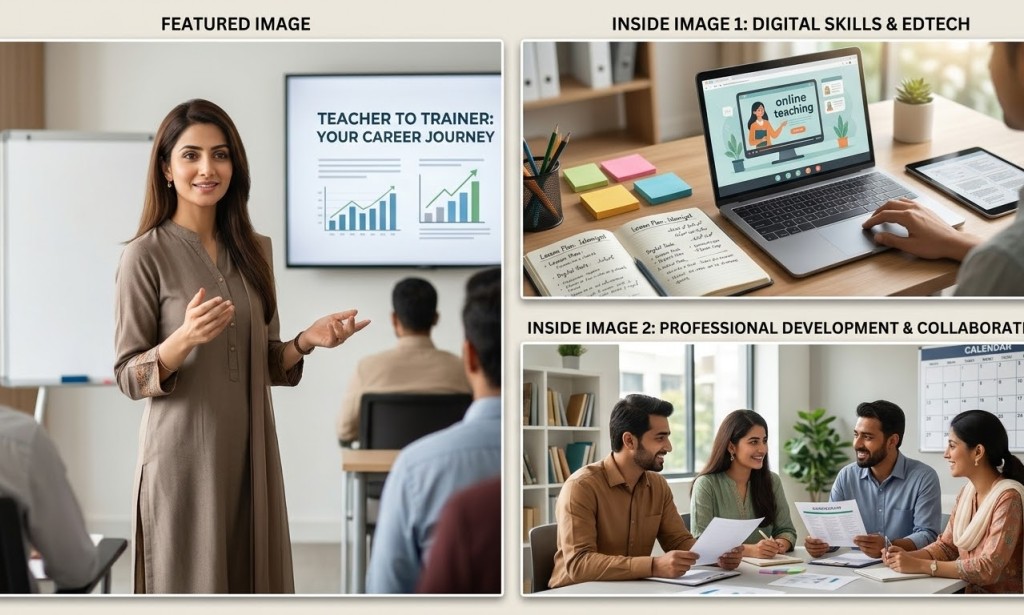
The educational landscape in Pakistan is undergoing a massive transformation. For decades, teaching was traditionally viewed solely within the boundaries of a physical classroom—focused on rote memorization, textbooks, and rigid school schedules. However, as the digital age reshapes the global economy, the role of an educator has evolved dramatically. Today, transitioning from a conventional school teacher to a dynamic professional trainer or educational consultant is one of the most rewarding career shifts one can make. This comprehensive guide explores how experienced educators can leverage their background, upgrade their skills, and unlock new avenues of professional and financial growth in Pakistan.
1. The Shifting Paradigm of Education in Pakistan
Education is no longer just about passing exams; it is about skill development, critical thinking, and conceptual clarity. Parents, students, and institutions are increasingly seeking modern educators who can make learning interactive and meaningful. Teachers who possess a strong command of subjects such as Science, Urdu, and Islamiyat are in high demand, but the real differentiator today is how that knowledge is delivered.
Educational institutions are moving away from traditional instruction methods toward student-centered learning. According to global educational research published by UNESCO Education Standards, modern teaching frameworks emphasize student engagement over passive listening. This means teachers with years of classroom experience hold a massive competitive advantage. They understand the psychological and practical challenges students face, positioning them perfectly to step into higher roles like curriculum developers, instructional designers, and professional trainers.
2. Valuing Experience: The Power of Classroom Background
Having an extensive teaching background—ranging from 8 to 10 years or more—is a powerful professional asset. This tenure provides deep insight into classroom management, student psychology, and pedagogical strategies.
However, experience alone is no longer enough in a competitive market. To transition from a standard teacher to a professional trainer, educators must bridge the gap between traditional teaching and modern demands. This involves combining pedagogical experience with contemporary competencies, such as understanding diverse learning curves, engaging modern student cohorts, and adopting interactive training methodologies that foster active participation rather than passive listening.
3. Integrating Digital Skills and EdTech
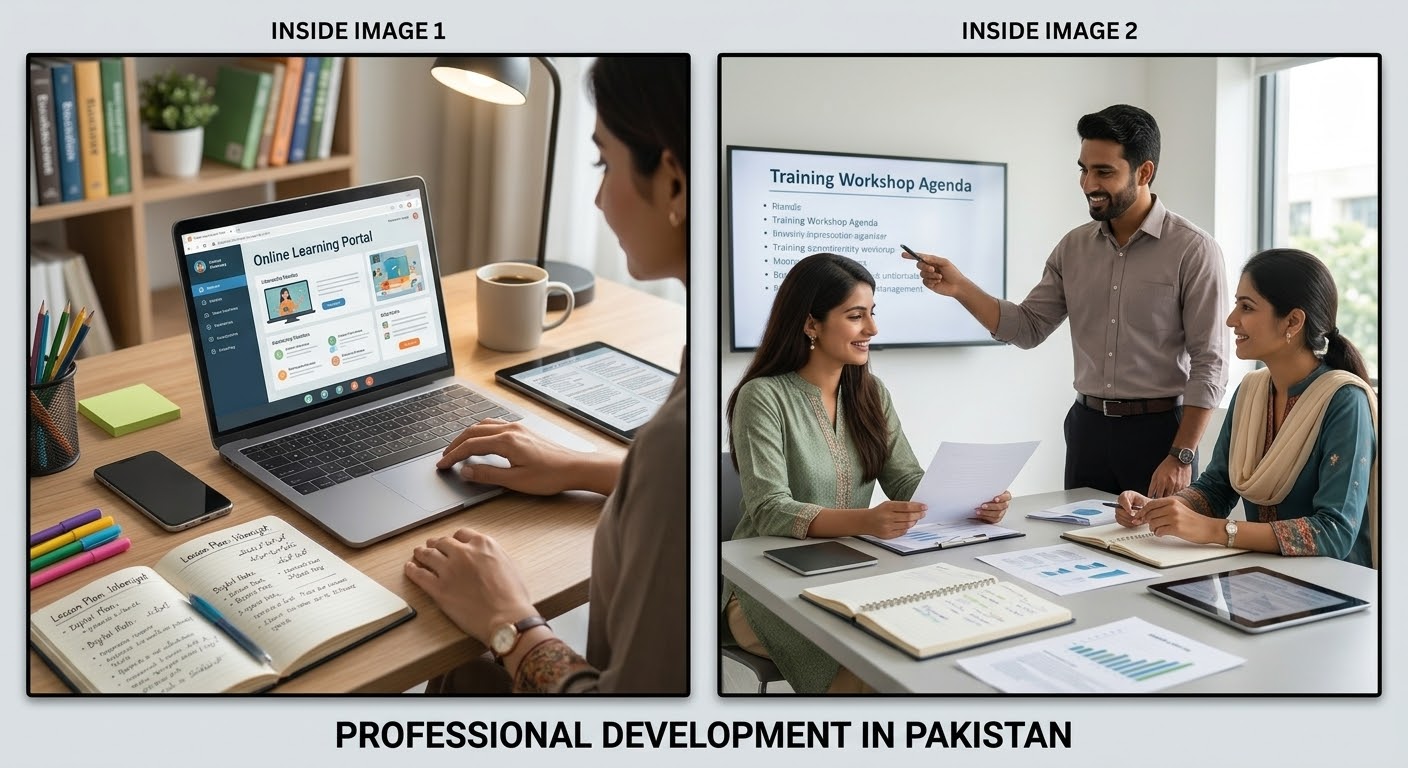
One of the most crucial steps in career advancement for educators is the adoption of Digital Skills (EdTech). In an era where online learning and hybrid classrooms are becoming the norm, a teacher who understands technology is invaluable.
Mastering Productivity Tools: Familiarity with Microsoft Office, WPS Office, and digital presentation software allows teachers to design structured lesson plans, professional reports, and engaging multimedia content.
Visual Communication: Utilizing tools like Canva enables educators to create eye-catching educational graphics, worksheets, presentation slides, and promotional training materials.
Remote Teaching Platforms: Familiarity with virtual classrooms and online tutoring networks opens doors to global audiences. You can explore higher education guidelines and digital learning initiatives on the official Higher Education Commission of Pakistan (HEC) portal to understand national standards for academic excellence.
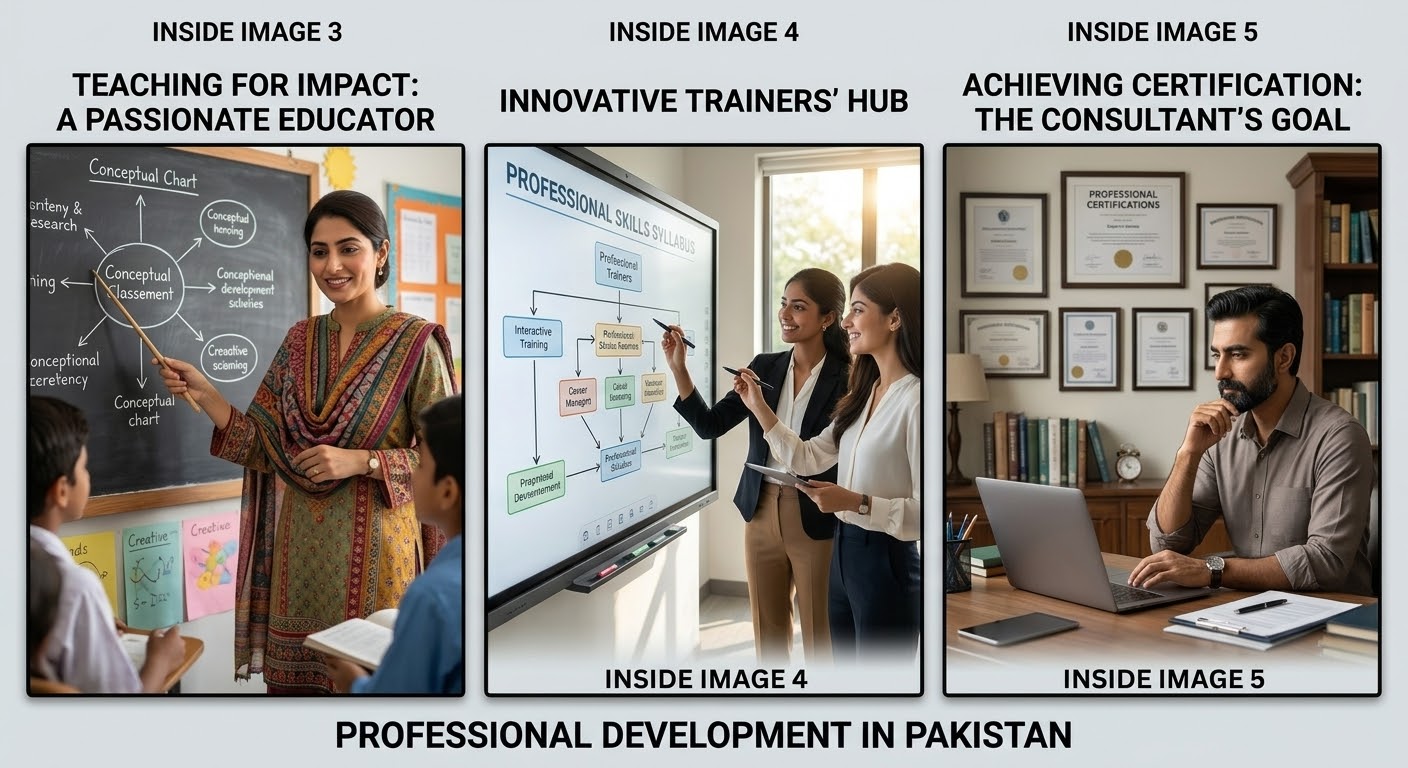
4. Exploring Remote Teaching and Independent Earning
Beyond physical schools, the digital revolution has given birth to independent educationists and online tutors. Platforms dedicated to remote learning allow teachers to monetize their linguistic and academic expertise globally. Whether teaching Urdu to international learners, providing Islamic studies guidance, or offering academic coaching, digital freelancing provides unprecedented financial independence.
By diversifying into online tutoring and content creation, educators are no longer restricted by geographic boundaries or fixed school salaries. This flexibility allows skilled professionals to build personal brands, conduct corporate training sessions, and generate sustainable secondary streams of income.
5. Shifting Toward Administrative and Supervisory Roles
For those who prefer a structured institutional environment, moving beyond classroom teaching into administrative or supervisory positions is a viable and lucrative path. Schools, colleges, and training institutes constantly look for seasoned educators to step into roles such as:
Academic Coordinators: Overseeing curriculum implementation and mentoring junior teachers.
Teacher Trainers: Conducting professional development workshops for newly hired staff.
School Administrators: Managing daily institutional operations, student performance tracking, and policy execution.
Transitioning into these roles requires updating professional profiles, crafting a robust resume that highlights leadership capabilities, and demonstrating a readiness to handle broader institutional responsibilities.
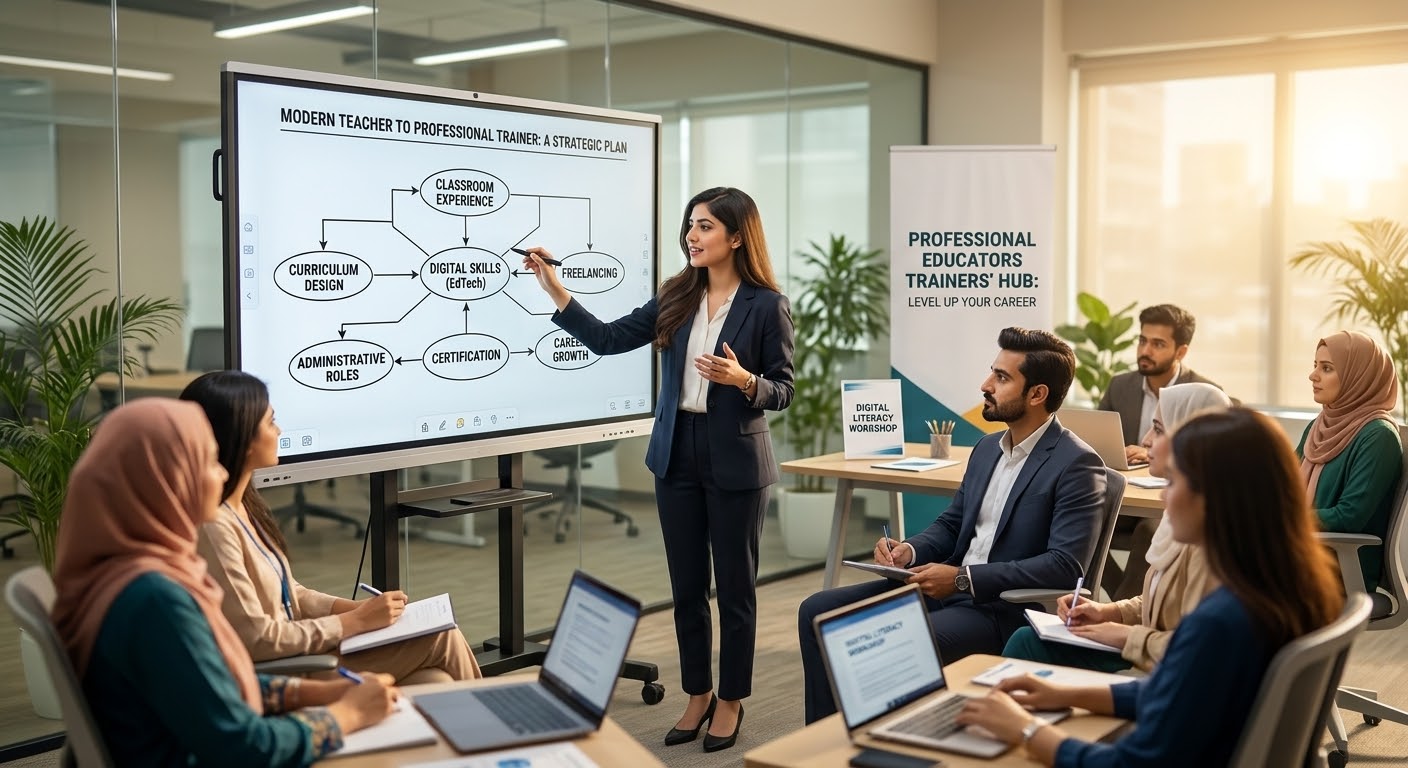
6. Continuous Learning and Professional Development
The journey of a true educator never stops. To remain competitive in Pakistan’s evolving job market, continuous learning is essential. Earning certifications in creative writing, freelancing, information technology, or modern communication techniques significantly enhances a resume. You can also explore free digital skill development courses through official initiatives like DigiSkills Pakistan to upgrade your technical capabilities. Attending workshops, reading educational journals, and networking with other professionals can lead to unexpected career breakthroughs.
7. Conclusion
The journey from a traditional teacher to a professional trainer in Pakistan is filled with immense potential. Teaching is not merely a job; it is a vocation that shapes generations. By recognizing the value of your accumulated experience, embracing digital tools, expanding into administrative or online training roles, and committing to lifelong learning, you can redefine your career path. Step out of the conventional mold, embrace modern opportunities, and watch your professional influence grow.Furthermore, taking this leap requires a shift in mindset. Transitioning from a classroom teacher to an influential professional trainer is not merely a job change; it is an upgrade in your personal brand. In Pakistan's rapidly expanding education market, parents and institutions are eager to invest in trainers who bring real-world solutions, modern tools, and practical pedagogical strategies.
By consistently refining your communication, building an active online presence, and establishing a repository of high-quality educational content, you position yourself as a subject matter expert. The demand for qualified adult educators, corporate soft-skill trainers, and digital curriculum planners is higher than ever before.
Embrace the journey with patience and dedication. Every lesson plan you have crafted, every student you have guided, and every challenge you have managed in your school tenure has prepared you for this moment. Step confidently into the domain of professional training, master the required technology, and create a lasting impact on Pakistan's educational horizon.








Comments 0
Sign in to join the conversation.
No comments yet. Be the first to say something.