

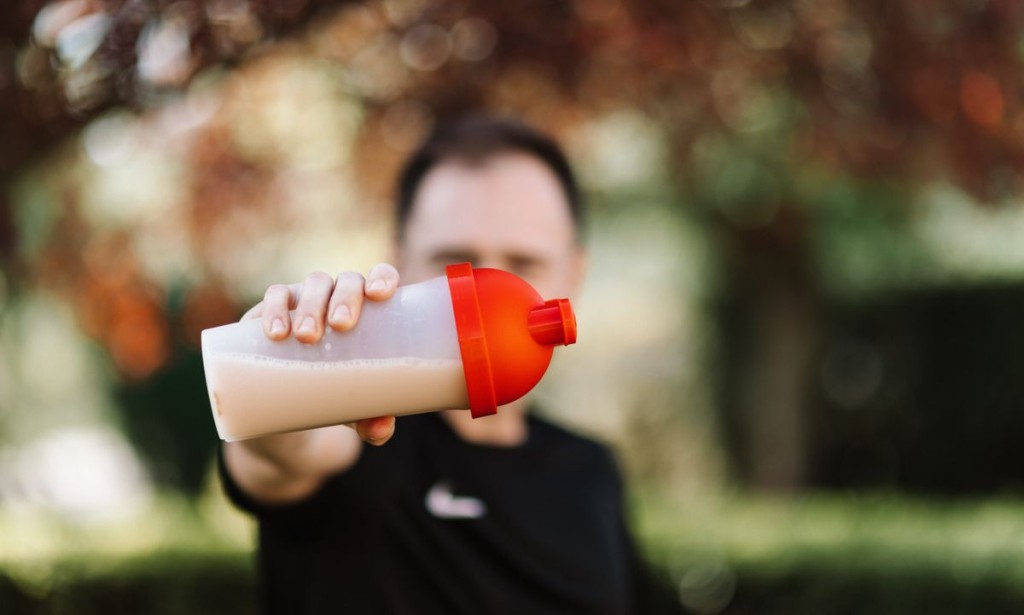
Smoothies occupy an odd place in weight loss. They can be a genuinely good meal, packed with protein, fibre, and nutrients, or they can be a dessert in disguise, loaded with sugar and hundreds of hidden calories. The difference is not the word smoothie, it is what goes into the blender and how much of it you drink. Get that right and a smoothie becomes a useful tool. Get it wrong and it quietly works against you.
This guide explains how to build smoothies that support weight loss, how to keep sugar low, and the trap that catches most people.
The Liquid Calorie Trap
Liquid calories are easy to overconsume because they do not fill you up the way solid food does. A large smoothie can contain several hundred calories and still leave you hungry an hour later. If you drink it on top of your normal meals, you have added calories without satisfaction, which is the opposite of what you want.
The solution is to treat a smoothie as a meal replacement or a measured snack, not an extra. Decide which meal it stands in for, and keep the portion reasonable.
Protein and Fibre Are the Foundation
A good weight loss smoothie is built on protein and fibre, because both support fullness. Protein can come from yogurt, milk, or a protein powder. Fibre can come from fruit with its skin, vegetables, oats, or seeds. Together they make a smoothie that actually holds you until your next meal.
A smoothie that is only fruit and juice is mostly sugar and water. It tastes good and does very little for your appetite.

Protein and fibre make a smoothie filling.
Keeping Sugar Low
Sugar in a smoothie comes from two places: the fruit itself and anything you add. Fruit sugar is not the enemy, but quantity matters, and a smoothie can easily contain several servings of fruit at once. Balance fruit with vegetables and protein so the total sugar stays moderate.
Avoid added sugar, honey, syrups, sweetened yogurt, and fruit juice as a base. Use water, milk, or unsweetened yogurt instead. Those changes cut the sugar dramatically without making the smoothie less enjoyable.
Simple Recipes That Work
A basic template is one portion of protein, one portion of fruit, a handful of vegetables, and a liquid. For example: unsweetened yogurt, a banana, a handful of spinach, and water. Or milk, frozen berries, and a spoonful of oats. Both are filling, low in added sugar, and quick to make.
If you want more protein, add a scoop of protein powder. If you want more fibre, add seeds or oats. Adjust the liquid to reach a consistency you like. There is no need for complicated recipes or expensive ingredients.
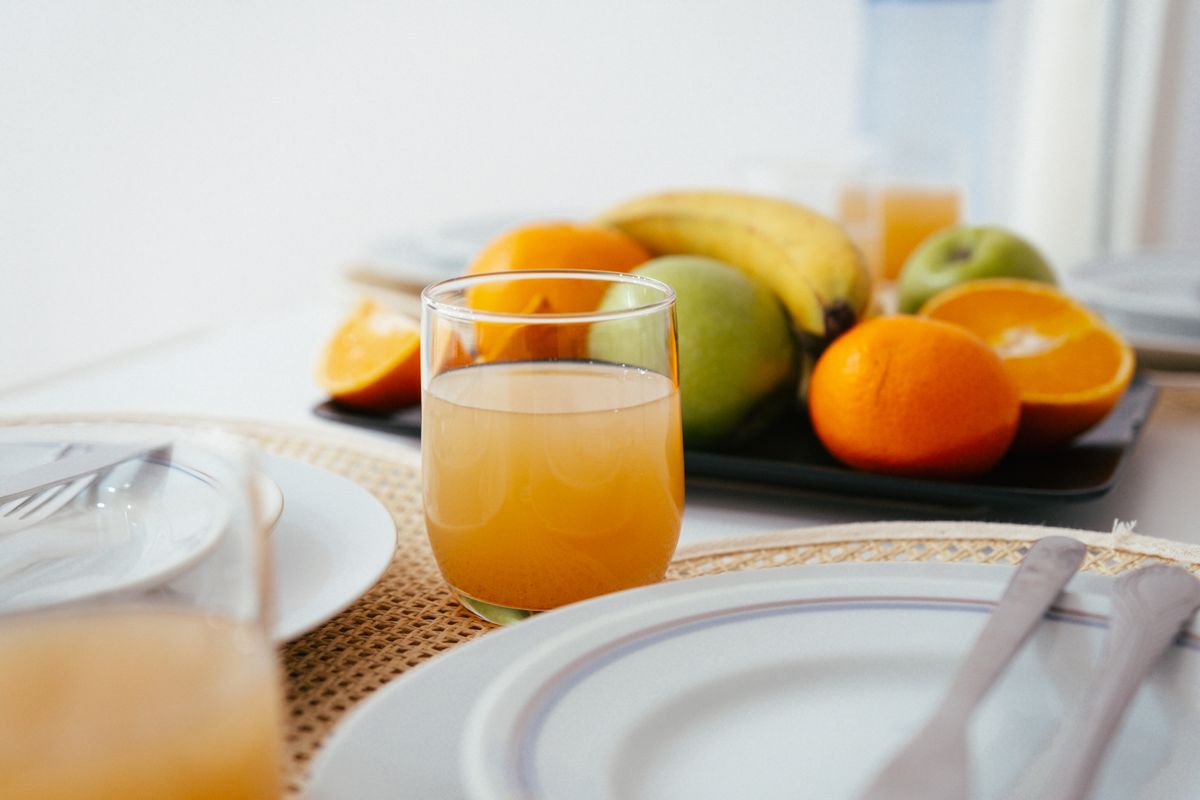
Simple ingredients, measured portions.
Portion Size Matters
A smoothie should be a meal or a snack, not a bucket. A sensible portion is roughly the size of a large glass, not a blender full. It is easy to drink far more than you would eat, because liquid goes down quickly. Measure what you blend, and if you make too much, save half for later rather than drinking it all.
This single habit prevents most of the problems people have with smoothies.
When Smoothies Help and When They Do Not
Smoothies help when they replace a skipped meal, when they are a convenient way to eat more vegetables, or when they stand in for a less healthy snack. They do not help when they are an addition to a full day of eating, when they are loaded with sweet ingredients, or when they replace solid meals so often that you lose the benefits of chewing and eating whole foods.
Use them deliberately, as a solution to a specific problem, and they will work in your favour.
Frequently Asked Questions
Are smoothies good for weight loss? They can be, if they replace other calories and contain protein and fibre. They work against you if they are an extra.
How do I keep a smoothie low in sugar? Use less fruit, add vegetables and protein, and avoid added sugar, honey, and juice.
Can a smoothie replace a meal? Yes, if it contains enough protein and fibre. Otherwise it is better as a snack.
Why am I hungry after a smoothie? Liquid calories are less filling. Add protein and fibre, and keep the portion sensible.
Do I need protein powder? No. Yogurt, milk, and other foods work too. Powder is just convenient.
Conclusion
Smoothies for weight loss work when they are built on protein and fibre, kept low in added sugar, and treated as a meal or snack rather than an extra. Simple ingredients and sensible portions beat complicated recipes every time. Get those basics right, and a smoothie is a convenient, filling part of a healthy diet.
Blend with purpose. A smoothie that stands in for something worse helps you. A smoothie you drink on top of everything else is just dessert with a health label.Bringing It Together
The advice above matters less than the habit behind it. Read the specification carefully, test the specific unit in front of you, and let evidence rather than enthusiasm decide. Most expensive mistakes in this category come from skipping a check that takes two minutes, not from choosing the wrong model. Slow down at the moment of purchase, and the rest tends to work out.
Finally, remember that the machine is a tool, not an identity. A modest device used well will serve you far better than a shiny one you do not understand. Learn what you have, keep it clean and cool, and it will keep working long after the next generation arrives on the shelf.Bringing It Together
The advice above matters less than the habit behind it. Read the specification carefully, test the specific unit in front of you, and let evidence rather than enthusiasm decide. Most expensive mistakes in this category come from skipping a check that takes two minutes, not from choosing the wrong model. Slow down at the moment of purchase, and the rest tends to work out.
Finally, remember that the machine is a tool, not an identity. A modest device used well will serve you far better than a shiny one you do not understand. Learn what you have, keep it clean and cool, and it will keep working long after the next generation arrives on the shelf.





Comments 0
Sign in to join the conversation.
No comments yet. Be the first to say something.