

The mucosal immune system is composed of several specialized components that work together to protect the body from infections. These elements are finely tuned to prevent harmful pathogens from entering while maintaining tolerance to beneficial microbes.
1. Mucosal Epithelial Barrier: The First Line of Defense
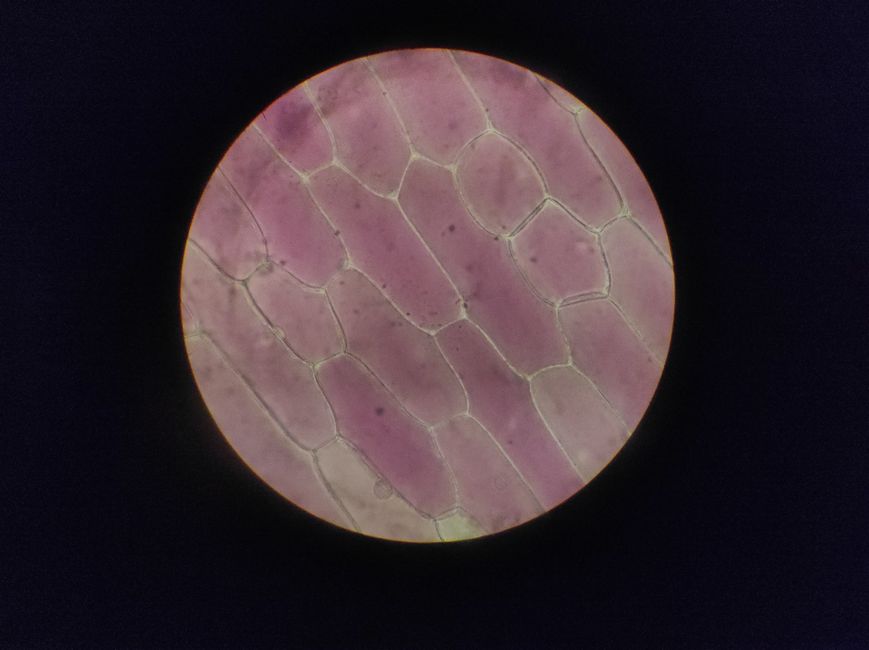
The epithelial barrier, formed by tightly joined epithelial cells, is the first line of defense against invading pathogens. This barrier prevents harmful microorganisms from entering deeper tissues. Tight junctions between epithelial cells ensure that the mucosal surface remains intact, while the secretion of mucus plays a key role in trapping pathogens and facilitating their removal. The physical integrity of the epithelial layer is crucial for preventing infections.
2. Mucosa-Associated Lymphoid Tissue (MALT)
Mucosa-associated lymphoid tissue (MALT) is a collection of immune structures found in mucosal areas like the gastrointestinal and respiratory tracts. Key examples of MALT include Peyer's patches in the intestines and the tonsils in the respiratory tract. These structures house immune cells that are strategically positioned to detect and respond to pathogens. MALT plays a vital role in initiating an immune response and orchestrating the body’s defense against microbial threats.
3. Secretory IgA (sIgA): The Guardian Antibody
Secretory Immunoglobulin A (sIgA) is the predominant antibody found at mucosal surfaces. It is produced by plasma cells in the mucosa and secreted into the mucus layer, where it plays a crucial role in neutralizing pathogens. sIgA prevents the attachment of harmful microorganisms to epithelial cells, effectively blocking their entry. Additionally, sIgA can directly neutralize viruses and bacteria, preventing infection at the point of entry.
4. Antimicrobial Peptides: Natural Defenders
Mucosal tissues also produce antimicrobial peptides (AMPs), which are small proteins that possess broad-spectrum activity against pathogens. These peptides are part of the innate immune system and can directly kill bacteria, fungi, and viruses by disrupting their cell membranes. AMPs enhance mucosal defense by providing an additional layer of protection against invading microorganisms.
The Relationship Between Mucosal Immunity and the Microbiome
The mucosal immune system must maintain a delicate balance between defending the body against harmful pathogens and coexisting with the trillions of beneficial microorganisms that make up the microbiome. Dysregulation in this balance can lead to chronic inflammation, immune dysfunction, or increased susceptibility to infections. Maintaining this equilibrium is critical for long-term health, as an imbalanced microbiome or compromised mucosal immunity can result in autoimmune diseases, allergies, or gastrointestinal disorders.
Challenges in Mucosal Immunity Research
Despite its importance, mucosal immunity presents significant challenges for researchers. Understanding the intricate interactions between immune cells, pathogens, and commensal microorganisms is complex. The mucosal immune system operates at multiple levels, from physical barriers to immune cell signaling, and requires continuous monitoring of both harmful and beneficial microbes. Advancing our knowledge of these interactions is crucial for developing targeted treatments and vaccines.
Implications for Vaccines and Therapeutics
The unique features of mucosal immunity have profound implications for vaccine development and therapeutic strategies. Mucosal surfaces, particularly in the respiratory and gastrointestinal tracts, are prime entry points for infectious agents. Therefore, vaccines designed to elicit strong mucosal immune responses can enhance protection against infections at these sites. Developing vaccines that trigger mucosal immunity—such as nasal or oral vaccines—could offer better protection against pathogens that enter through the respiratory or digestive systems.
In addition, understanding how to modulate the mucosal immune response could lead to new therapeutic approaches for mucosal diseases, such as inflammatory bowel disease or respiratory infections.
Conclusion: The Vital Role of Mucosal Immunity
Mucosal immunity is a dynamic and essential defense system that plays a pivotal role in protecting the body from a wide range of potential threats. By effectively recognizing and neutralizing pathogens at mucosal surfaces, the immune system prevents infections and maintains overall health. Understanding the complexities of mucosal immunity not only deepens our knowledge of fundamental immunology but also holds promise for the development of innovative vaccines and therapies. As research continues to advance, we can expect to see new strategies for harnessing the power of mucosal immunity in the fight against infectious diseases and immune-related disorders.








Comments 0
Sign in to join the conversation.
No comments yet. Be the first to say something.