

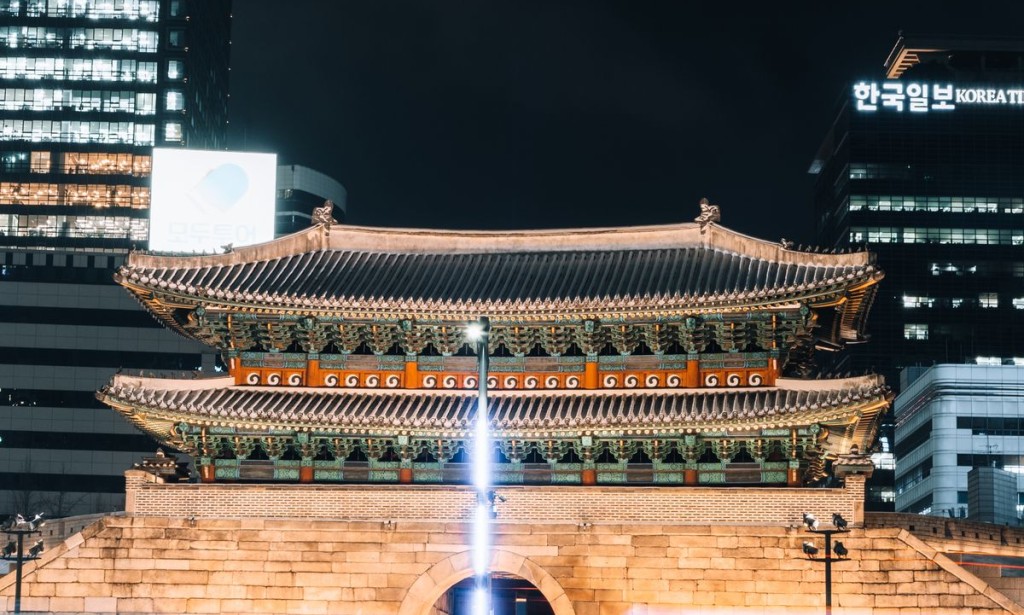
South Korea has become a major destination for international students, and the Global Korea Scholarship, widely known as the Korean Government Scholarship or GKS, is the main route to a funded degree there. It supports undergraduate and graduate study, and it is known for covering not only tuition but also a monthly allowance, airfare, and a year of Korean language training for many recipients.
This guide explains how the scholarship is structured, the application routes, who tends to be eligible, and how to prepare a competitive file. Rules, deadlines and stipend amounts change each cycle, so always confirm the current details on the official GKS website or the website of the Korean embassy in your country.
What GKS Covers
The scholarship is designed to remove the main costs of studying in Korea. Recipients typically receive tuition, a monthly living allowance, a settlement allowance, return airfare, and medical insurance. Many also receive a year of Korean language training before their main programme begins, which makes the award accessible even without prior Korean ability.
Because the package covers both tuition and living costs, it is among the more comprehensive government scholarships available. Recipients are expected to study full time and to maintain the required academic standard to keep the award.
The Two Application Routes
There are two main ways to apply, and the choice matters.
Embassy track. You apply through the Korean embassy in your home country, which reviews applications and nominates candidates. This is the most common route for international applicants.
University track. You apply directly to a Korean university that participates in the programme. Competition for university places can be strong, and the university nominates its chosen candidates.
Each track has its own quota and its own process. Read the current guidance carefully and apply through one track per intake, following its specific instructions.
GKS supports both undergraduate and graduate study in Korea.
Who Is Usually Eligible
Eligibility differs by level and track, but the pattern is consistent.
Non-Korean nationality, with citizenship of an eligible country.
Academic requirements, such as a strong grade average for undergraduate applicants, or a completed degree for graduate study.
Age limits, which apply and differ by level.
Health sufficient to study abroad, usually confirmed by a medical check.
Language willingness, since many recipients study Korean before their course.
No disqualifying status, such as previous receipt of the same scholarship.
The Selection Process
Selection usually runs in stages. First comes a document review, which checks eligibility and academic standing. Shortlisted candidates are then interviewed, often at the embassy or by the university. Successful candidates are nominated and confirmed, and they then complete the language year or begin their programme depending on their Korean ability.
The process is long and the competition is real, so applications should begin months before the deadline.
Writing the Personal Statement and Study Plan
The written components carry significant weight. The personal statement explains who you are and why you deserve the award. The study plan explains what you intend to study and how it connects to your goals. Be specific. Name the programme, the field, and the reason you chose Korea. Avoid generic statements about Korean culture or global education, because committees read thousands of those. A clear, personal, well-structured plan stands out because it sounds like a person rather than a template.
Preparing the Documents
Application form completed on the official system.
Personal statement and study plan written for the specific programme.
Letters of recommendation from people who know your academic work.
Transcripts and certificates, with translations where needed.
Medical and identification documents as required.
Proof of language ability, where the programme asks for it.
The Embassy Track in Detail
The embassy track is where most international applicants start. You submit your file to the Korean embassy or consulate in your home country, which runs its own first-round review and then nominates a set number of candidates for the national quota. Because the embassy ranks and forwards applicants, competition is concentrated within your own country, which can be an advantage if your field is less crowded. The embassy also conducts the interview for its shortlisted candidates, and it is the point of contact for questions throughout the process. Check the embassy website early, because some countries publish additional requirements or specific document formats that differ from the general guidance.
What Happens After You Arrive
Recipients usually begin with a language year at a designated institute, where they study Korean alongside other scholarship holders. This period is not only about language. It is where you adapt to the country, build a network, and prepare for the academic demands ahead. Passing the required language level is often the condition for starting your degree programme. Once the course begins, you must maintain the academic standard set by the scholarship to keep receiving the allowance. The experience rewards students who engage early, learn the language seriously, and build relationships with professors who can support them long after graduation.
Common Mistakes
Applying through the wrong track or both tracks at once.
Missing an age or eligibility limit.
Writing a generic personal statement with no specific plan.
Submitting incomplete documents or wrong formats.
Ignoring the language year and its expectations.
Using old deadlines instead of the current official page.

One more thing worth checking before you decide.
Frequently Asked Questions
Is GKS fully funded? It covers tuition, a living allowance, airfare and insurance, with a language year for many recipients. It is a comprehensive package.
Do I need to speak Korean? Not at the start. Many recipients study Korean for a year first, and some programmes are taught in English.
Can I choose my university? You indicate preferences during the application, and placement depends on your choices and available places.
Is there an age limit? Yes, and it differs by level and track. Check the current rules for your category.
How competitive is it? Strong competition, but the programme funds a large number of students, so a well-prepared application has a real chance.
Conclusion
The Korean Government Scholarship offers one of the most complete funding packages for international students, covering the costs that usually make studying abroad difficult. The application is demanding and the process is long, but the criteria are published and the routes are clear. Confirm the current rules and deadlines on the official site, choose the right track, and write a plan that shows genuine purpose. For the right candidate, it is a clear path to a funded degree in South Korea.







Comments 0
Sign in to join the conversation.
No comments yet. Be the first to say something.