
introduction.
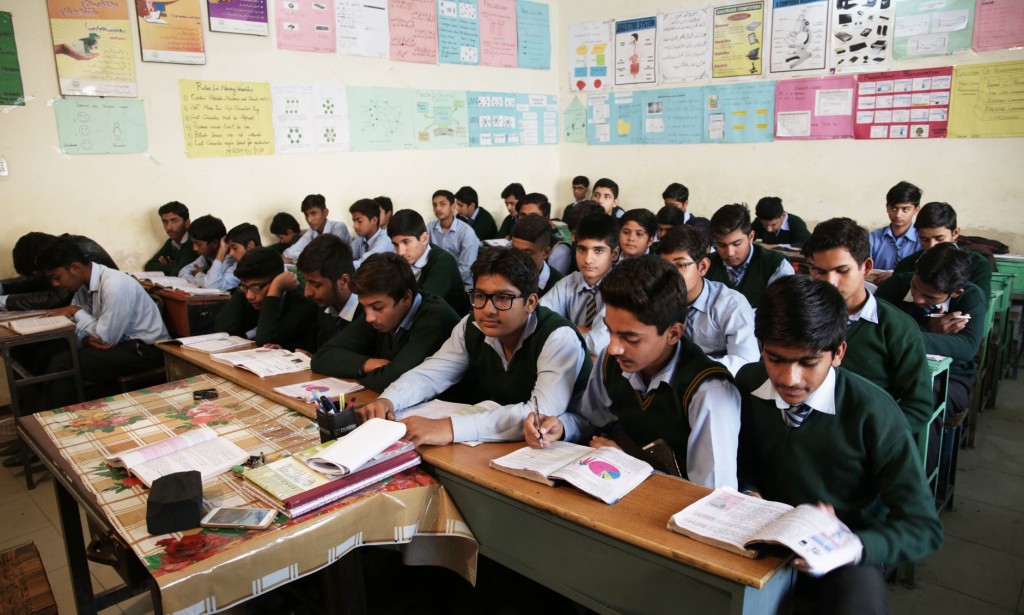
It is bejond any doubt that education is the most powerful weapon held by the minds of today, ensures societal success for tomorrow. Getting quality education shapes not only personality, but it also makes people productive for the society. It is better for a country to provide quality education to its masses, because history is replete with the incidents where leaders ruled the world on the basis of their education and reasoning. There are various aspects of the aforementioned title.
1) Empowerment Through Knowledge:
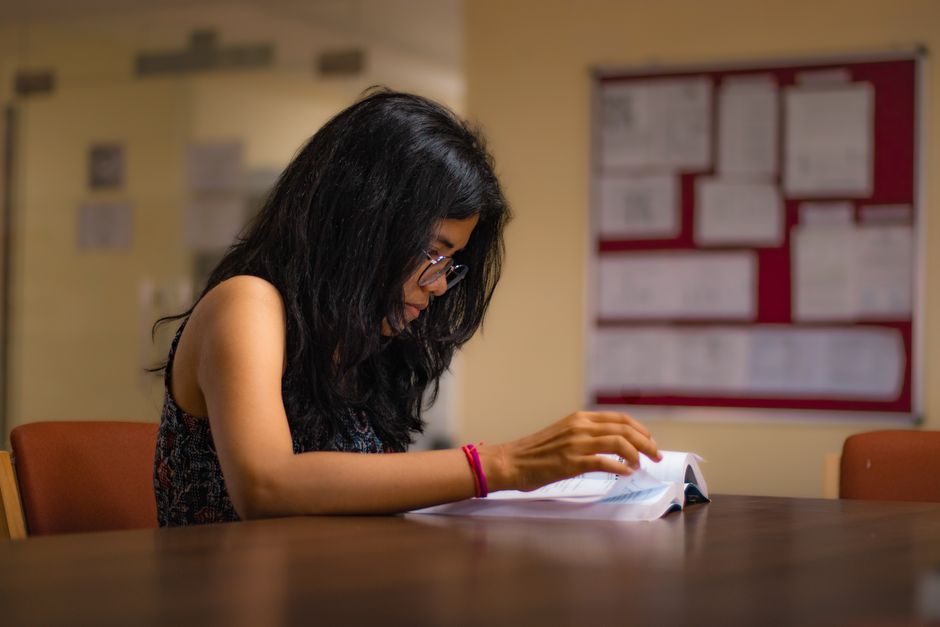
It is true that quality education empowers people by providing them knowledge and skills necessary for both personal and professional growth. It enables individuals to figure out and overcome the difficulties come in their way. Education is not just the process of memorizing things but it is also about come up with innovative and critical thinking mindset.
2) Economic Development and Innovation:
Investment in education leads a nation towards laying foundation for economic prosperity. Educated people contribute to economic growth by bringing innovation and competitiveness. A highly educated workforce is very much critical to shape a more dynamic and productive economy.
3) Social Cohesion and Inclusivity:
Quality education ensures social cohesion and inclusivity by breaking down all barriers. Moreover, quality education creates respect for various cultures, regions and even religions, because presently religious extremism is the hottest issue. It promotes not only equity but also equality.
4) Global Competitiveness and Sustainable Development:
In the global world, quality education is imperative for global competitiveness and sustainable development. Nations with a strong educational infrastructure can overcome global challenges effectively. They can participate in the global economic and cooperate to bring peace globally. It endures more equitable sustainable future for all communities by tackling globally-entrenched issues like climate change, food insecurity, poverty etc.
5) Education as a Means for Change:
Quality education as a means for societal change by breaking the shackles of inequality and inequity. It guides individuals towards upward mobility. Most importantly, it fosters confidence in individuals. By investing in education, societies ensure prosperity and well-being for all. Society likes people the most, who do good for others.
6) The Role of Teaching Practices:
If nations support their teachers and provide them with valuable resources, give them training and professional skills, and entertain them with a handsome salary package, all this leades to holistic teaching practices. Besides it, student-centered approach and innovative teaching methods also bring societal change.
7) Impact of Technology on Education:
Technology has revolutionized the way of education. It has brought new avenues for teaching the students and providing them quality education. Individuals can easily learn various skills by joining classes and having various courses online. It has broken down all geographical boundaries. Moreover, it eliminates exclusivity and brings inclusivity. Hence, it leads to social justice above all.
8) Making Individuals Valuable Assets for the Nation:
When a society imparts quality education in its citizens, they eventually return it in the form of their services to their country. Education makes a man responsible for his acts and do good things for the welfare of the society. Remember, nations have got progress only on the basis of their system of education. If Bill Gates, the founder of Microsoft, had born in any poor country of Africa, would he have been one of the most richest men in the world.
9) A Global Responsibility:
To provide access to quality education is the collective effort. Because, a single nation can not ensure global literacy rate. As climate change is not a problem of just one country, rather it is a global perspective. Similarly, bringing illiteracy down needs global partnership. The developed countries can support educational policies in the developing countries, because education is a fundamental right and one can not be denied of it.
10) Challenges and Way Forward:
Access to quality education remains a major challenge in many parts of the world. Socio-economic inequality and hindrances to education keep millions of people away from getting opportunity to access quality education. It is the requirement of collective efforts from governments, policy -makers and society at large.
In Conclusion,
education is the most powerful weapon which can be used to change the world, the saying of Nelson Mandela. It is true because a nation can not be on track without imparting quality education to its masses. Today's minds are the assets of tomorrow. So, it is the responsibility of the government to take effective measures to educate its masses.
Quality education serves as a catalyst for individual empowerment, economic development, and social equity. By investing in the minds of the younger generation, societies can cultivate informed citizens who are equipped with the knowledge and skills necessary to address complex challenges. This investment fosters innovation, enhances workforce readiness, and ultimately contributes to economic growth and stability.
The book highlights the long-term benefits of prioritizing quality education, including improved health outcomes, reduced poverty rates, and enhanced civic engagement. It discusses how equitable access to education can bridge social divides and promote inclusivity, enabling marginalized groups to participate fully in society.
Furthermore, "Investing in Minds" advocates for a holistic approach to education that emphasizes not just academic achievement but also social and emotional learning. It underscores the importance of creating supportive learning environments that nurture creativity, critical thinking, and resilience, preparing students to navigate an increasingly interconnected and dynamic world.
The discussion extends to the role of policymakers, educators, and communities in championing quality education as a societal imperative. By prioritizing education in national agendas and allocating resources effectively, societies can create sustainable systems that empower individuals and foster collective progress.
In summary, this insightful exploration calls for a collective commitment to investing in quality education as a fundamental right and a societal obligation. By doing so, we lay the groundwork for a brighter, more equitable future for all, ensuring that today's investments in minds yield tomorrow's leaders, innovators, and change-makers.








Comments 0
Sign in to join the conversation.
No comments yet. Be the first to say something.