


Getting invited to a job interview is an important step in the employment process. However, receiving an interview invitation does not automatically mean that a candidate is ready. Proper preparation, clear communication, and an understanding of the position can make a significant difference in how an applicant presents themselves.
Kuwait has employment opportunities in several industries, including healthcare, education, construction, hospitality, retail, transportation, and administration. Each industry may have different expectations, but some interview preparation techniques are useful across most professions.
Whether someone is applying for their first job or looking for a better position, preparing in advance can help them approach an interview with confidence.

1. Research the Employer Before the Interview
Before attending an interview, learn as much as possible about the organisation. Visit its official website, review the services it provides, and understand the type of work it performs.
This preparation helps candidates answer questions about why they want to work for the organisation. It also allows them to ask relevant questions instead of appearing unfamiliar with the employer.
Applicants should also verify that the company and vacancy are genuine. They should be cautious about recruitment messages that promise guaranteed employment without a proper selection process.
When exploring vacancies, candidates can use Kuwait job market and employment resources to become more familiar with the types of opportunities available.
2. Understand the Job Description
A job description explains what an employer expects from a candidate. Read it carefully and identify the main responsibilities, required qualifications, experience, and skills.
For example, a teaching interview may focus on classroom management, lesson planning, and communication with students. A customer service interview may involve questions about handling complaints, solving problems, and dealing with different customers.
Prepare examples from your education, previous employment, internships, or training that demonstrate your ability to perform these responsibilities.
Do not memorise the job description word for word. Instead, understand how your background matches the requirements.
3. Prepare Answers to Common Interview Questions
Many employers ask similar questions to understand a candidate's background, personality, and suitability for a role.
Some common questions include:
Tell me about yourself.
Give a short introduction covering your education, relevant experience, skills, and career interests. Avoid discussing unrelated personal details.
Why do you want this job?
Explain how the position matches your qualifications and professional goals. Show that you understand the responsibilities.
What are your strengths?
Choose strengths that are relevant to the position, such as communication, organisation, teamwork, technical ability, or problem-solving.
What is one area you want to improve?
Mention a genuine area for development and explain what steps you are taking to improve it.
Why should we hire you?
Connect your skills and experience with the employer's requirements. Give specific reasons rather than simply saying that you are hardworking.
Practising answers aloud can help candidates organise their thoughts without sounding overly rehearsed.
4. Prepare Examples From Your Experience
Employers often want to know how candidates behave in real situations. Instead of giving general statements, prepare examples that demonstrate your abilities.
For instance, if you claim to be good at teamwork, describe a project where you worked with other people to complete a task. If you mention problem-solving, explain a challenge you faced and how you handled it.
Fresh graduates can use examples from university assignments, internships, volunteer activities, or training programmes. Professional experience is valuable, but it is not the only way to demonstrate useful skills.
Try to explain each example clearly by describing the situation, your responsibility, the action you took, and the result.
5. Choose Appropriate Interview Clothing
Your appearance contributes to the first impression you make. Choose clean, neat, and professional clothing that is appropriate for the industry and organisation.
Formal business clothing may be suitable for office-based positions, while some technical or practical roles may have different expectations. Avoid clothing that is excessively casual or distracting.
Personal grooming also matters. Keep your appearance tidy and arrive prepared rather than rushing at the last minute.
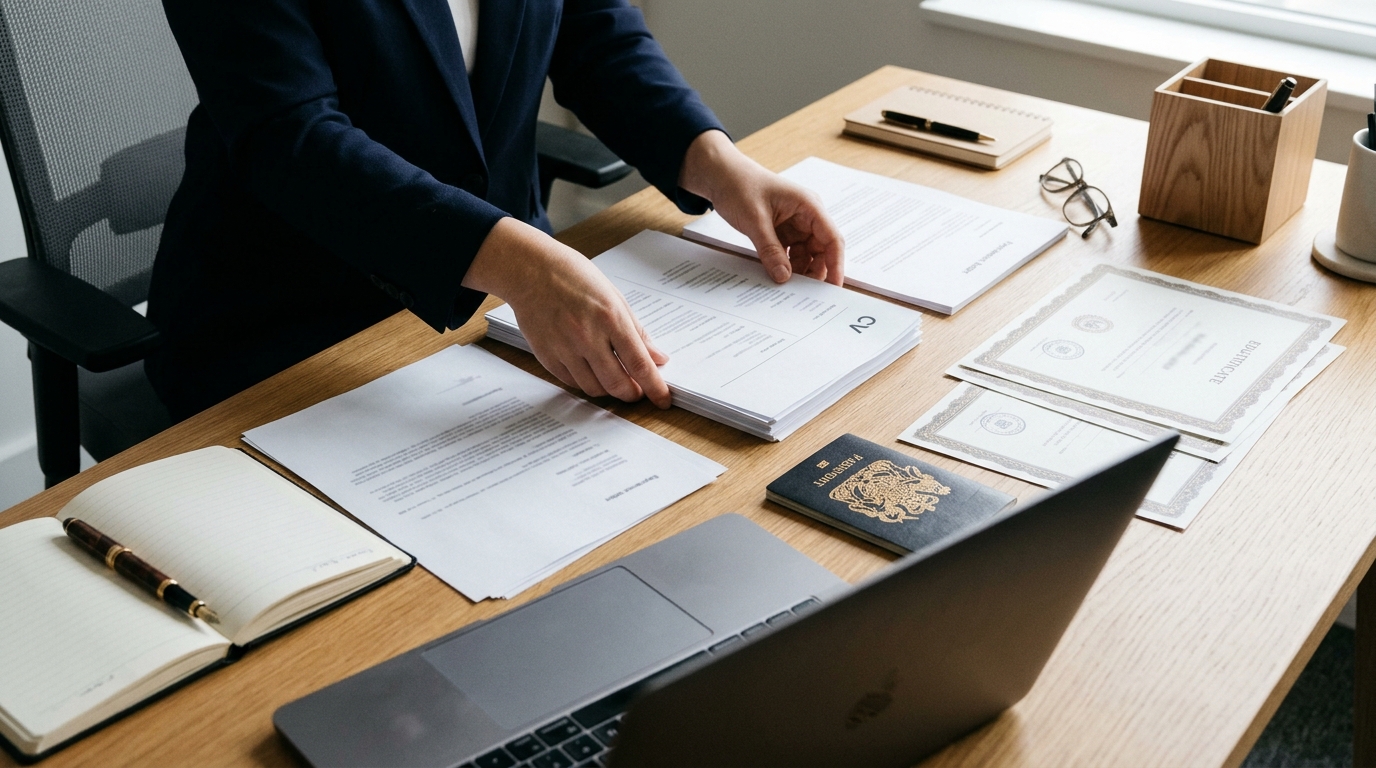
6. Organise Your Documents
Prepare the documents that may be requested during the interview. These can include:
Updated CV or resume
Educational certificates
Professional qualifications
Experience letters
Training certificates
Portfolio or work samples, if relevant
Keep digital copies available as well, in case the employer requests them electronically.
The exact requirements vary by position and employer. Applicants should follow the instructions provided with the interview invitation rather than assuming every organisation requires the same documents.
7. Practise Clear and Professional Communication
Communication is not limited to answering questions. It also includes listening carefully, maintaining a respectful tone, and explaining ideas clearly.
Allow the interviewer to finish asking a question before responding. If you do not understand something, politely request clarification.
Candidates should avoid giving extremely long answers or interrupting the interviewer. It is better to provide a relevant explanation supported by an example.
In Kuwait, workplaces can include people from different cultural and language backgrounds. Respectful communication and the ability to work with diverse colleagues are valuable professional qualities.
8. Be Ready for Online Interviews
Some employers conduct interviews through video calls. These interviews require preparation just like face-to-face meetings.
Before the scheduled time:
Check your internet connection.
Test your microphone and camera.
Choose a quiet place with suitable lighting.
Keep your CV and relevant documents nearby.
Join the meeting a few minutes early.
Use a professional background and avoid unnecessary interruptions. If a technical issue occurs, inform the interviewer politely and try to resolve it calmly.

9. Prepare Questions for the Interviewer
An interview is also an opportunity for candidates to understand the position. Preparing a few thoughtful questions shows that they are interested in the role.
You might ask:
What are the main responsibilities during the first few months?
What skills are most important for success in this position?
How is employee performance evaluated?
What does the usual working schedule look like?
What are the next steps in the recruitment process?
Avoid asking questions that have already been clearly answered during the interview. Questions about salary and benefits can also be discussed professionally at an appropriate stage.
10. Follow Up After the Interview
After the interview, a short and polite follow-up message may be appropriate. Thank the interviewer for their time and express your continued interest in the position.
If the employer provides a timeline for the decision, respect it. Avoid sending repeated messages or making unnecessary calls before that period has passed.
If you are not selected, treat the experience as an opportunity to improve. Think about the questions that were difficult, identify areas where your answers could be clearer, and practise before your next interview.
Candidates exploring wider regional opportunities can also review employment and career opportunities across the Gulf to understand different job markets and professional requirements.
11. Avoid Common Interview Mistakes
Even qualified applicants can create a poor impression through avoidable mistakes.
Some common problems include arriving late, failing to research the employer, giving inaccurate information, speaking negatively about previous employers, and showing little interest in the position.
Another mistake is accepting employment conditions without understanding them. If an employer makes an offer, carefully review the job responsibilities, salary, working hours, and written contract terms before making a decision.
Applicants can compare relevant Kuwait job listings and career opportunities to understand the range of roles available and prepare for future applications.
For individuals considering employment through recruitment channels, overseas recruitment information for Kuwait can be another resource to explore while researching the process.
It is also useful to understand the wider Kuwait recruitment and employment landscape when comparing opportunities and learning about recruitment-related information.
Frequently Asked Questions
1. What should I take to a job interview in Kuwait?
Carry an updated CV and any documents requested by the employer. These may include educational certificates, experience letters, professional licences, or a portfolio.
2. How early should I arrive for an interview?
Plan to arrive around 10 to 15 minutes before the scheduled time. This gives you a little time to settle in without arriving excessively early.
3. What should I wear to a job interview?
Choose clean, modest, and professional clothing appropriate for the organisation and position. The goal is to look neat and present yourself respectfully.
4. Can fresh graduates succeed in job interviews?
Yes. Fresh graduates can discuss their academic projects, internships, practical training, communication skills, and willingness to learn.
5. What should I do if I do not know the answer to an interview question?
Stay calm and be honest. Explain what you do know and, where appropriate, describe how you would learn or approach the issue.
6. Should I ask about salary during an interview?
Salary is a reasonable topic to discuss. Choose an appropriate moment and ask professionally about the compensation structure and other employment conditions.
Conclusion
Preparing for a job interview requires more than memorising answers. Candidates should understand the position, research the employer, organise their documents, and practise explaining their qualifications with confidence.
Every interview is also a learning experience. By improving communication, preparing relevant examples, and asking thoughtful questions, job seekers can present themselves more effectively. With consistent preparation and realistic expectations, applicants can approach employment opportunities in Kuwait with greater confidence.





Comments 0
Sign in to join the conversation.
No comments yet. Be the first to say something.