

Category: Science / Education
Introduction
Pakistan is a country of remarkable natural beauty and biological diversity. From the snow-covered mountains of the north to the deserts of Sindh and Balochistan, the country contains many different habitats. These environments support a wide variety of plants, animals, birds, insects, and aquatic organisms.
Biodiversity refers to the variety of living organisms found in an area. It includes the diversity of species, genetic differences within species, and the ecosystems in which organisms live. Biodiversity is important because every organism plays a role in maintaining the balance of nature.
1. Pakistan’s Diverse Natural Habitats
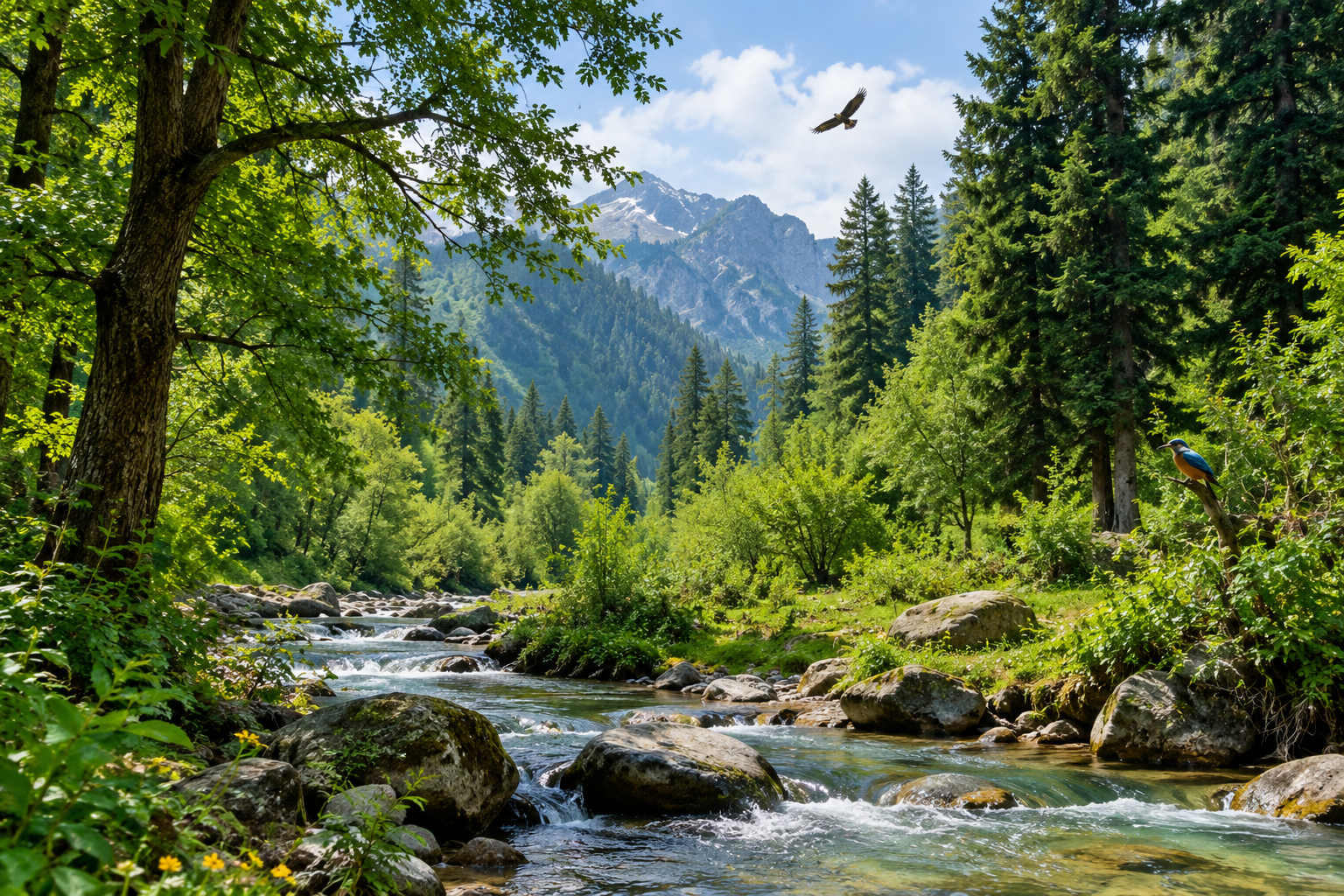
Pakistan has several major ecosystems, each supporting different forms of life.
The northern regions contain mountain forests, alpine meadows, glaciers, and freshwater streams. These habitats support animals such as the Himalayan ibex, snow leopard, and several species of mountain birds.
The Indus River system is another important ecological region. Its rivers, wetlands, and surrounding habitats support fish, waterbirds, reptiles, and other aquatic organisms. The Indus River dolphin is a particularly important example of Pakistan’s unique wildlife.
In southern Pakistan, mangrove forests grow along parts of the Arabian Sea coast. These forests provide shelter for fish and other marine organisms, protect coastlines from erosion, and serve as breeding grounds for many aquatic species.
Desert ecosystems, including the Thar and Cholistan deserts, also support specially adapted plants and animals. These organisms survive with limited water and can tolerate extreme temperatures.
Each habitat contributes to the country’s overall biodiversity. When one habitat is damaged, the organisms that depend on it may also be threatened.
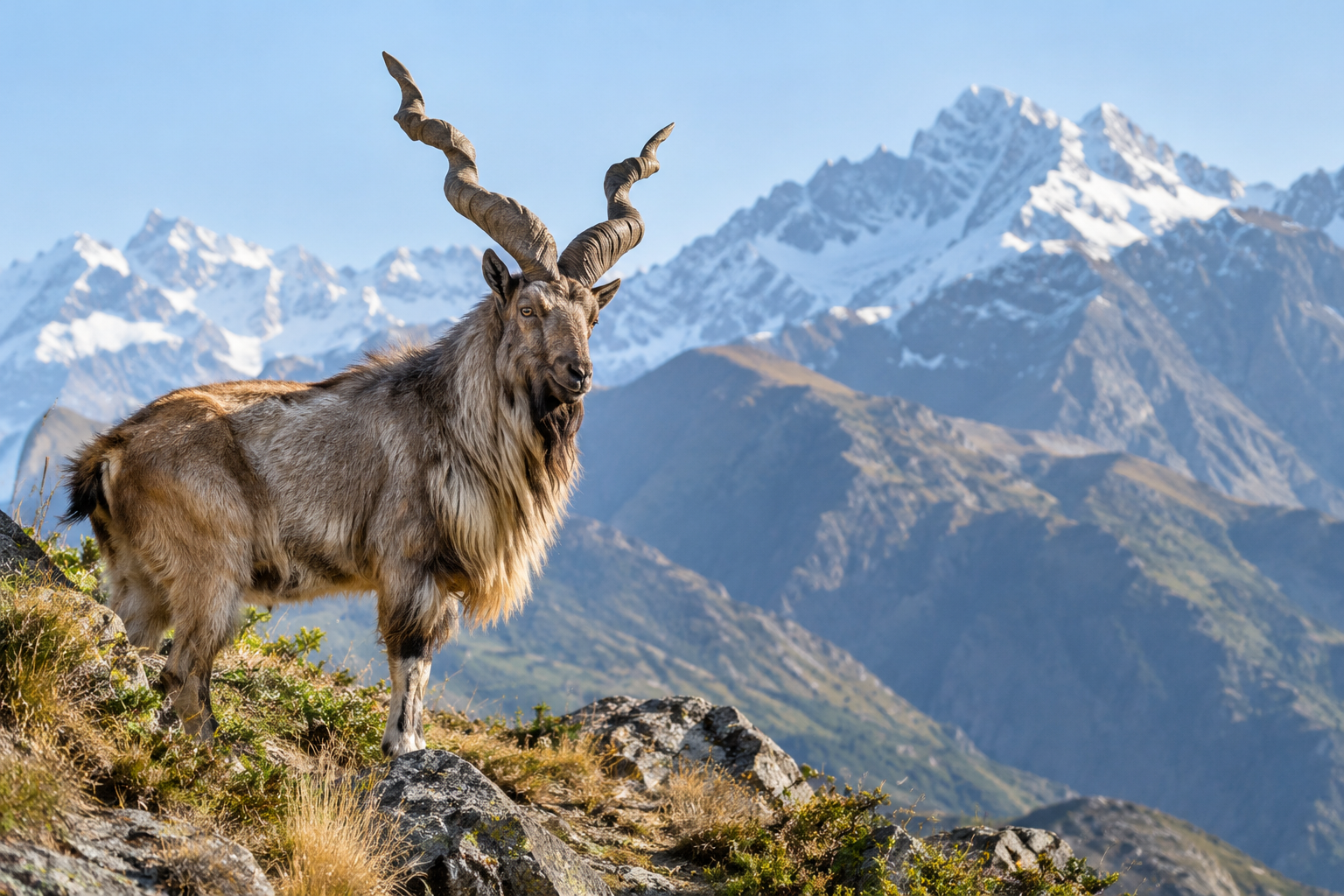
Mountain wildlife in Pakistan.
Pakistan is home to many fascinating animal species. Some are important because they are rare, while others play essential roles in their ecosystems.
The snow leopard lives in high mountain regions and is an important predator. As a top predator, it helps regulate populations of other animals and contributes to ecosystem balance.
The Indus River dolphin is a freshwater dolphin associated with the Indus River system. Its survival depends on suitable river habitats, adequate water flow, and reduced disturbance from human activities.
The Himalayan ibex is a wild goat adapted to rugged mountain terrain. Its strong legs and climbing ability help it move across steep, rocky slopes.
Pakistan also supports many bird species, including migratory birds that travel long distances between breeding and wintering grounds. Wetlands provide important resting and feeding places for these birds.
Fish are equally important to biodiversity. Rivers, lakes, reservoirs, and coastal waters contain diverse fish communities. Fish support aquatic food webs and provide food and livelihoods for many people.
These species demonstrate that biodiversity is not limited to large, attractive animals. Insects, microorganisms, plants, fungi, and less familiar animals are also essential to healthy ecosystems.
Why Is Biodiversity Important?
Biodiversity supports life in many ways, even when people do not notice it directly.
Maintaining ecological balance: Different organisms interact through food chains and food webs. Predators control prey populations, decomposers break down dead material, and plants provide energy and shelter for other organisms.
Supporting agriculture: Bees, butterflies, and other pollinators help many plants reproduce. Soil organisms contribute to nutrient cycling and soil health. Biodiversity can also help agricultural ecosystems become more resilient to environmental changes.
Providing food and livelihoods: Fish, crops, livestock, forests, and other natural resources support communities and economic activities. When ecosystems decline, people who depend on them may face financial difficulties.
Supporting medicine and scientific research: Plants, microorganisms, and animals contain biological compounds that can be useful in scientific studies and medicine. Protecting species preserves opportunities for future research.
Reducing environmental risks: Forests can reduce soil erosion, while mangroves can help protect coastlines. Wetlands can store water and provide habitat for wildlife.
Biodiversity is therefore not simply about protecting beautiful animals. It is closely connected to human health, food security, clean water, and environmental stability.
Major Threats to Wildlife in Pakistan
Forests may be cleared for agriculture, construction, roads, and other development projects. Wetlands can be damaged by drainage, pollution, or changes in water flow. When habitats become smaller or fragmented, animals may lose access to food, shelter, and breeding sites.
Pollution
Plastic waste, untreated wastewater, industrial discharge, and agricultural chemicals can contaminate rivers, lakes, and coastal environments. Aquatic organisms may ingest plastic or be harmed by toxic substances. Pollution can also reduce water quality and damage the organisms at the base of food chains.
Illegal hunting and wildlife trade
Some animals are hunted for their skins, horns, meat, or other body parts. Unregulated capture and trade can reduce populations and disturb natural ecosystems. Effective enforcement and public awareness are necessary to discourage these activities.
Climate change
Changing temperatures and rainfall patterns can affect the availability of water and food. Glaciers, mountain habitats, coastal areas, and freshwater ecosystems may experience changes that influence the distribution and survival of species.
Overuse of natural resources
Excessive fishing, unsustainable logging, and overgrazing can place pressure on ecosystems. When resources are used faster than they can recover, both wildlife and local communities may suffer.
These problems often interact. For example, a species already affected by habitat loss may become even more vulnerable when climate conditions change.
How Can Biodiversity Be Protected?
Wildlife conservation requires cooperation between governments, scientists, local communities, educational institutions, and ordinary citizens.
Protect natural habitats: Forests, wetlands, rivers, and coastal ecosystems need effective protection and responsible management.
Reduce pollution: Proper waste disposal, recycling, wastewater treatment, and reduced use of single-use plastics can help protect wildlife.
Prevent illegal hunting: Wildlife laws must be enforced, and communities should have access to information about the ecological importance of threatened species.
Promote sustainable fishing: Fish populations need time and suitable habitats to reproduce. Responsible fishing practices can reduce pressure on aquatic ecosystems.
Support scientific research: Zoologists, ecologists, and conservation scientists monitor wildlife populations and investigate the problems affecting them.
Educate young people: Schools and universities can organize nature clubs, awareness campaigns, and educational activities about biodiversity.
Individuals can contribute by avoiding littering, respecting wildlife, planting suitable native plants, and supporting responsible conservation projects. Small actions are more effective when they become part of a wider community
The Role of Students and Zoologists
Students can play a valuable role in biodiversity conservation. Biology and Zoology students learn about animal behaviour, ecology, genetics, physiology, and the relationships between organisms and their environments.
These subjects help researchers understand why species decline and how populations might recover. For example, studying fish biology can help scientists investigate breeding patterns, water quality, and the effects of environmental changes on aquatic species.
Students can also participate in supervised field surveys, biodiversity documentation, educational projects, and citizen-science activities. Recording observations carefully and respecting wildlife are important parts of responsible scientific work.
Conservation is not only the responsibility of professional scientists. Teachers, farmers, fishers, community members, and students all have knowledge and experiences that can contribute to better environmental decisions.effort.
Conclusion
Pakistan’s biodiversity is a valuable natural resource that deserves long-term protection. Its mountains, forests, deserts, rivers, wetlands, and coastal ecosystems support a wide range of life. However, habitat destruction, pollution, illegal hunting, and climate change threaten many of these natural systems.
Protecting biodiversity requires scientific research, responsible policies, community participation, and environmental education. Every species has a role in nature, and the loss of one organism can affect many others.








Comments 0
Sign in to join the conversation.
No comments yet. Be the first to say something.